
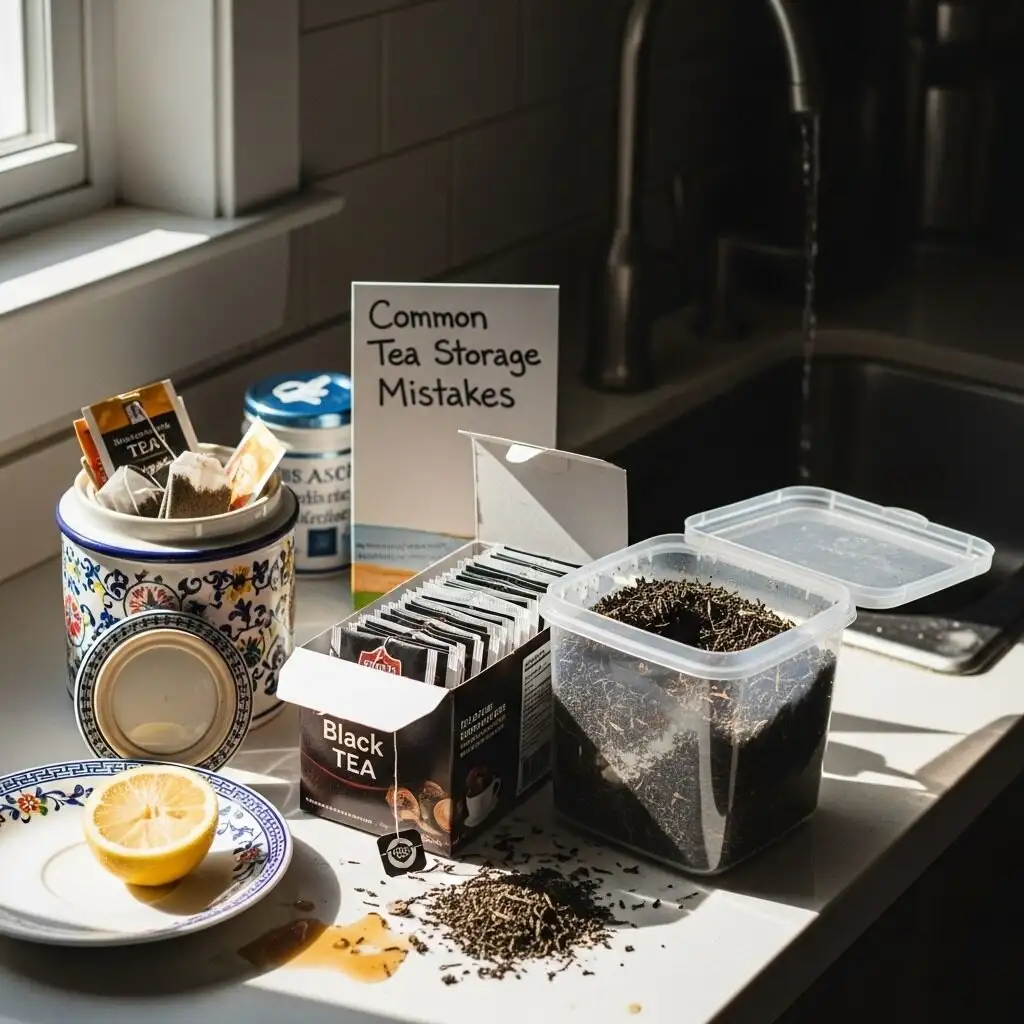
Tea is a daily ritual in millions of homes, yet many households unintentionally compromise its aroma, flavor, and freshness. Common tea storage mistakes can turn premium teas into flat, stale, or musty blends, leading to frustration and wasted investment.
At India House Store, we combine decades of experience, artisan insights, and modern storage innovations to help tea enthusiasts protect every cup. This guide goes beyond generic advice, addressing regional climate differences, urban kitchen challenges, tea type sensitivities, and 2026 storage innovations.
The 5 Core Enemies of Tea
Tea quality declines when exposed to Light, Air, Moisture, Heat, and Odors. Understanding these “enemies” is the first step to keeping your tea fresh.
1. Light – Shield Tea from Sun Exposure
Sunlight can break down the delicate aromatic oils in tea leaves, reducing flavor over time. In bright, humid cities like Mumbai or Miami, tea may degrade faster compared to drier conditions in places like Bangalore or Phoenix. Homes with direct sunlight—especially near windows or open shelves—are more prone to this issue.
2. Air/Oxygen – Seal Containers Properly
Air exposure accelerates oxidation, causing tea to lose its flavor. Common errors include leaving tea bags in open boxes or storing loose leaf tea in thin paper envelopes.
Expert Tip: According to tea artisan Raghavendra Singh, “Even a few minutes of air exposure can reduce the delicate aroma of Darjeeling first flush.”
3. Moisture – Control Humidity
Tea is hygroscopic and absorbs moisture from the air, which can lead to clumping, mold, and loss of flavor. In humid environments—such as coastal cities like Mumbai or Miami—the risk is higher, while drier regions like Bangalore or Phoenix require protection from air exposure to maintain freshness.
Safety First: Moldy or damp tea should be discarded immediately to avoid health risks.
4. Heat – Keep Tea Cool
Heat speeds up chemical reactions in tea leaves, reducing flavor retention. Storing tea near stoves, ovens, or direct sunlight is one of the most common storing tea near stove mistakes in kitchens.
Innovation 2026: Modular urban tea boxes with thermal lining are now available for high-density apartments, preserving tea freshness in compact spaces.
5. Odors – Keep Tea Away from Strong Smells
Tea absorbs nearby odors, which can spoil delicate aromas. Storing tea next to spices, oils, or strong-smelling foods is a frequent tea organization mistake in kitchens.
Tea Type Storage Cheat Sheet
Different teas react differently to storage conditions. Avoid mixing tea varieties storage mistakes by following this region-specific guide:
| Tea Type | Best Container | Ideal Temp | Shelf Life | Regional Notes |
|---|---|---|---|---|
| Green / Matcha | Airtight / Opaque | 6–8°C (Fridge) | 6–12 Months | In humid Mumbai, use small portions with moisture packets. |
| Black / Oolong | Metal Tin / Foil | 18–20°C | 2–3 Years | Dry Bangalore can store longer without refrigeration. |
| Pu-Erh | Breathable / Paper | Stable Humidity | 10+ Years | Needs airflow; avoid airtight. Ideal in traditional pantries. |
Pro Tip: Rotate teas monthly and label containers with opening dates for maximum freshness. Organizing them inside a Wooden Tea Storage Box makes tracking and access easier.
Container Maintenance & Hygiene
Proper container care is critical for long-lasting tea flavor:
Artisan Insight: Wooden tea boxes with properly sealed lids preserve flavor longer due to minimal porosity and consistent insulation.
Common Urban & Regional Mistakes
Moisture can affect tea quickly. Use a wooden tea box with a tight lid or inner lining and keep it away from damp kitchen areas.
Tea is less affected by moisture but can lose aroma if exposed to air or sunlight. Store in a well-sealed wooden tea box placed in a shaded area.
Limited space often leads to storage near heat sources. Use a compact wooden tea box and keep it away from stoves or direct heat.
Multiple tea types stored together can mix flavors. A wooden tea box with compartments helps keep varieties separate and organized.
2026 Storage Innovations
FAQ – Quick Answers
Yes. In humid, bright cities like Mumbai or Miami, sunlight can break down tea’s natural oils and reduce flavor. Store tea in a wooden tea box with a tight lid and keep it away from direct light.
Yes, optional for green teas. Let it acclimatize to room temperature before opening to prevent condensation.
Several months if stored away from sunlight, heat, moisture, and odors.
No. Different teas absorb flavors differently, causing taste contamination.
Use dedicated airtight containers and store away from spices, oils, or pungent foods.
Shop Tea Storage Solutions
Protect your tea investment with our range of tea storage products. To avoid errors, read Common Tea Storage Mistakes:
Transform Your Tea Ritual Today
Don't let your premium tea lose its soul to humidity and clutter. Join 10,000+ tea lovers who have upgraded to India House Store storage.
"The perfect balance of heritage craftsmanship and modern moisture protection."