

Black and Gold Cabinet Knobs: Small Details That Can Transform a Room
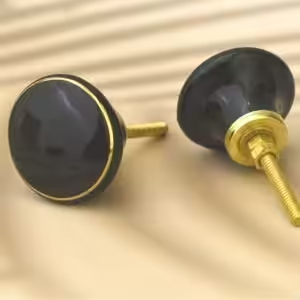
Discover how black and gold cabinet knobs can refresh cabinets, drawers, wardrobes and furniture with an elegant modern look.
7 Easy Furniture Makeovers Using Drawer Knobs: No Painting Required
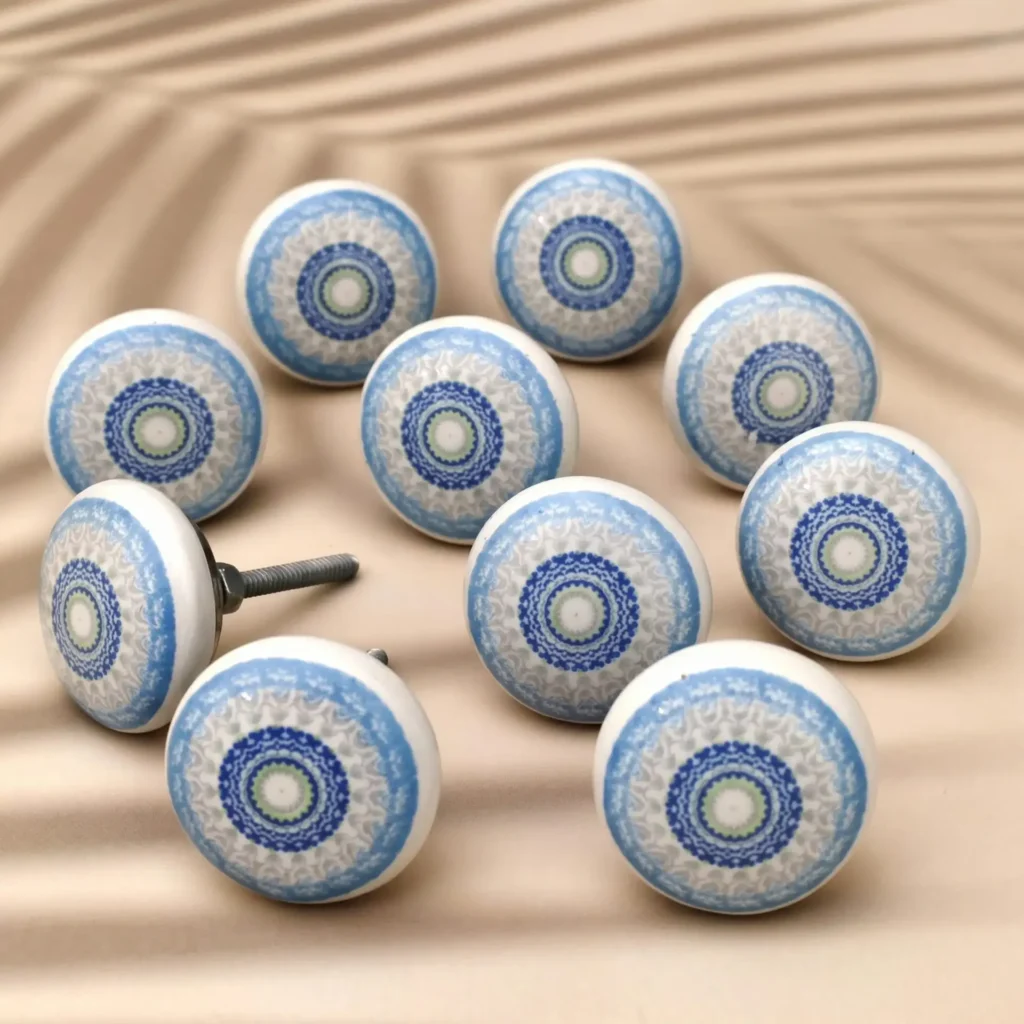
Refresh dressers, cabinets and bedside tables without repainting with seven practical furniture makeover ideas using decorative drawer knobs.
Choose Ceramic Knobs for Cabinets: 7 Amazing Tips
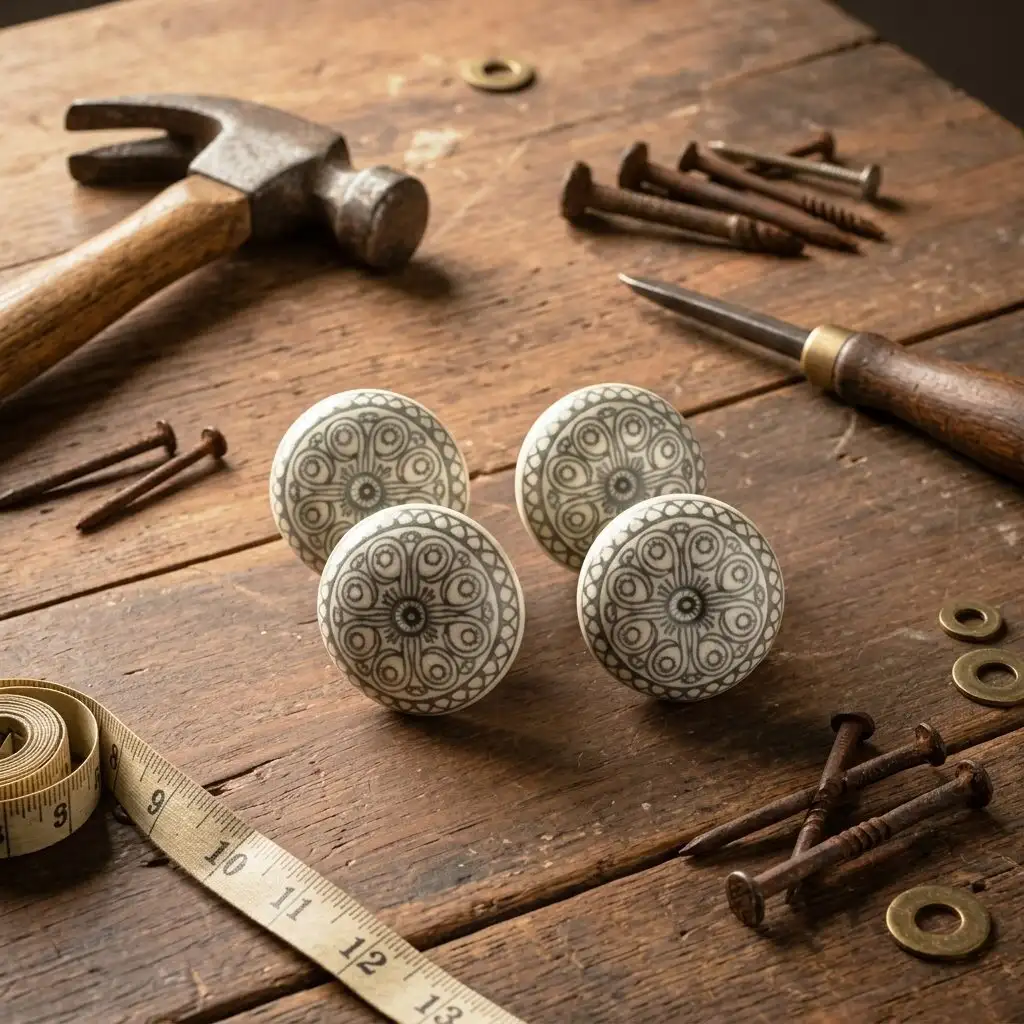
A detailed guide to choose ceramic knobs for cabinets, drawers and wardrobes with practical tips on size, finish, grip, hardware and placement.
Wooden Playing Card Box: 7 Amazing Reasons It’s the Ultimate UK Gift
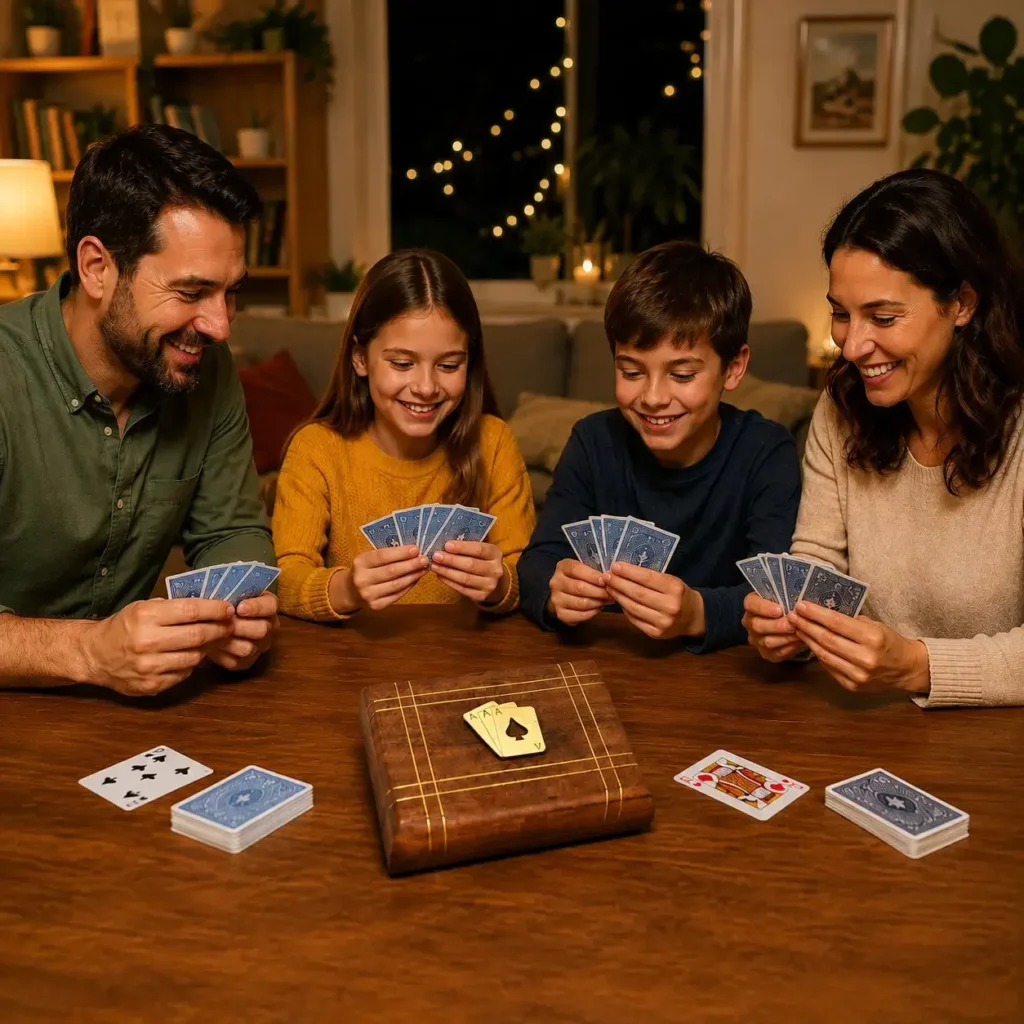
There is a specific kind of frustration that happens when you reach for your favourite deck of cards, only to find a bent corner or a missing suit. Anyone who plays games regularly knows that the deck matters just as much as the game itself. Investing in a high-quality wooden playing card box solves this problem instantly. A beautifully crafted wooden playing card box does more than just hold cards; it protects your investment. Ours is hand-carved from solid Sheesham wood and finished with an intricate brass inlay pattern. At £18.70, it sits perfectly between a practical household purchase and an amazing gift you would be thrilled to receive. If you are tired of dealing with flimsy cardboard tuck boxes that tear easily, it is time for an upgrade. Let’s explore exactly why a dedicated wooden playing card box is the ultimate storage solution for your game nights. n If you are comparing a wooden box for playing cards with plastic or cardboard storage, focus on protection, everyday access and how the box will look when left on display. n View the Wooden Playing Card BoxBrowse Playing Card Cases Table of Contents 1. Superior Durability Over Plastic Cases 2. Handcrafted Brass Inlay Elegance 3. The Ultimate Gift for Card Players 4. Perfect for Bridge, Rummy, and Poker 5. Built with Premium Sheesham Wood 6. Easy Accessibility for All Ages 7. Incredible Value for Money Wooden Box vs. Plastic Case Comparison How to Care for Your Wooden Playing Card Box Frequently Asked Questions 1. Superior Durability Over Plastic Cases Most standard card storage options fall into two categories: cheap plastic cases that crack easily or plain boxes with no character. A solid wooden box completely changes the dynamic. Unlike plastic, which becomes brittle and yellows over time, wood ages gracefully. Its rigid structure ensures your cards will never be crushed underneath heavier items in a drawer or travel bag. 2. Handcrafted Brass Inlay Elegance The brass inlay on this box is not just a cheap decal. It is painstakingly set into the wood by expert artisans using traditional Indian techniques. This level of craftsmanship gives the lid a warm, luxurious feel that mass-produced varnished wood simply cannot replicate. It feels akin to holding an antique jewellery box or a premium chess set. 3. The Ultimate Gift for Card Players Finding the perfect gift for someone who already has everything is difficult. This is where a handcrafted wooden playing card box shines as a brilliant present. While a standard deck of playing cards is a nice gesture, pairing it with a customized storage case transforms it into a keepsake. It is an amazing choice for birthdays, retirements, or Father’s Day. 4. Perfect for Bridge, Rummy, and Poker Games like Bridge and Poker are still incredibly popular across the UK. Regular players often own multiple high-quality decks that require proper organisation. It keeps your premium decks from getting mixed up or damaged. It completely eliminates the annoyance of starting a game night by hunting for a missing Ace or Joker. 5. Built with Premium Sheesham Wood Not every card storage box is made equal. The type of timber used dictates how long the product will survive in your home. Our boxes are constructed from Sheesham wood, a dense hardwood famous for its durability. It effectively resists the cracking and warping caused by UK winter indoor heating. 6. Easy Accessibility for All Ages For older players, this kind of box offers simplicity. It is highly visible on a shelf, easy to open, and requires no frustrating clasps or zippers. For children, having a dedicated box teaches them to respect their belongings. Putting cards away correctly prevents the dreaded bent corners associated with loose cards in a toy chest. 7. Incredible Value for Money Priced at just £18.70, a handcrafted wooden playing card box represents phenomenal value. It is a long-term investment in your gaming hobbies. You can view our exact model right here in our Wooden Playing Card Box product page. When you factor in the years of use it provides, it is significantly cheaper than constantly replacing ruined decks. Wooden Box vs. Plastic Case Comparison If you are still deciding between materials, it helps to look at the facts. Here is a breakdown of why wood usually wins out over plastic alternatives. Feature Wooden Playing Card Box Standard Plastic Case Appearance Handcrafted, brass inlay detailing Mass-produced, visually plain Lifespan Built to last for years with basic care Cracks easily, turns yellow over time Protection Rigid construction, well-fitted lid Often loose-fitting or hard to snap shut Gift Appeal Extremely high — feels premium Purely functional at best While plastic is undeniably cheaper upfront, it lacks soul. If you play frequently or plan to leave the box on display in your living room, the wooden option is infinitely better. How to Care for Your Wooden Playing Card Box Maintaining one of these is incredibly simple. It does not require any specialized cleaning chemicals or daily maintenance routines. A quick wipe with a dry microfiber cloth after use is usually enough. To keep it looking its best for years to come, keep the following tips in mind: Keep the box out of direct sunlight to prevent the finish from fading. Avoid highly damp environments, which can eventually warp natural wood. Keep the box away from direct heat sources like winter radiators. If the wood begins to look dry, apply a light coat of natural beeswax conditioner. If you appreciate the effort required to make these items, you can learn more about our artisans on our about us page. Frequently Asked Questions Does this wooden playing card box fit standard cards? Yes. The interior dimensions are perfectly sized for standard playing card decks. It works flawlessly for Poker, Bridge, and Rummy cards. Can I hold this box in my hand while playing? No, this is purely a storage solution designed to protect your deck when it is not in use. It is meant to sit on
Wooden Box vs Fabric Storage Bin: Which Better?
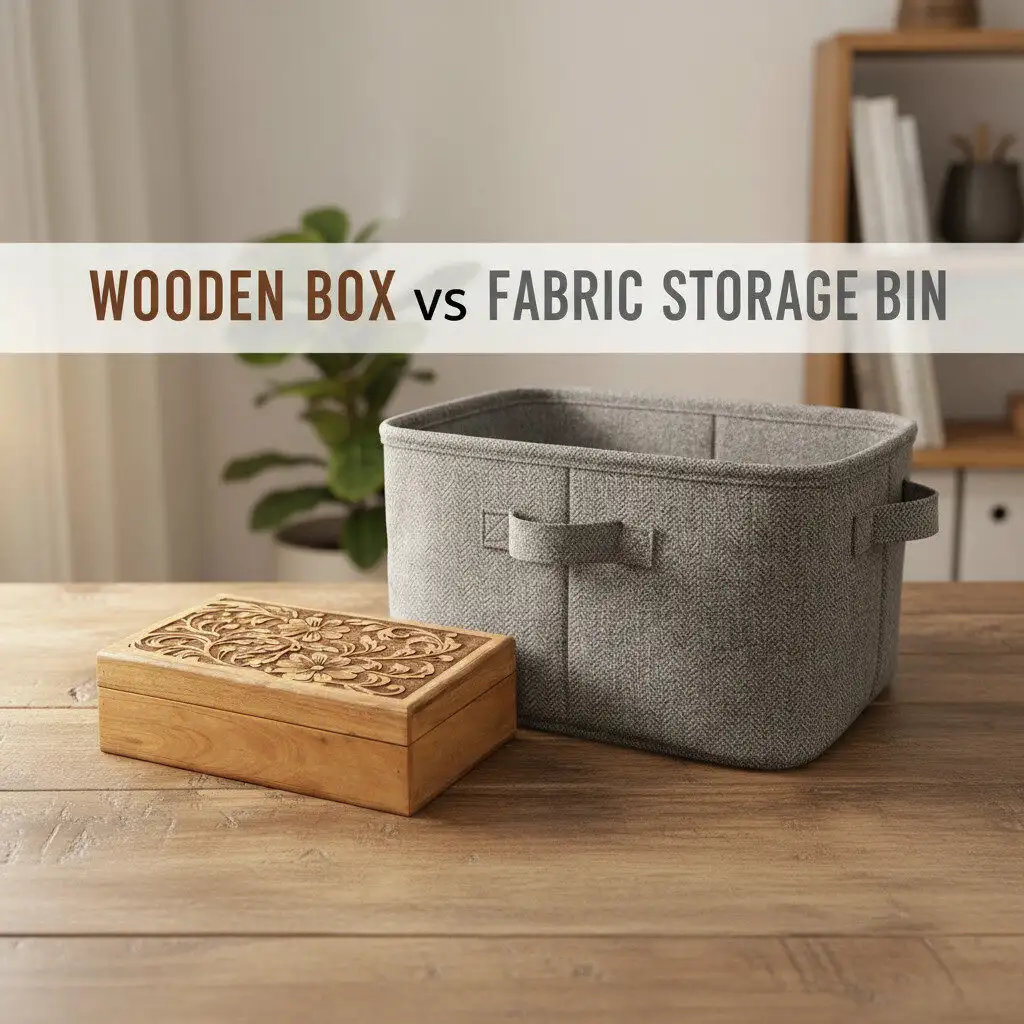
Wooden Box vs Fabric Storage Bin | India House Store Choosing storage is not just about organizing things. In many homes, it becomes a long-term decision affected by dust, humidity, heat, and daily use. Many buyers start with a simple question: Wooden Box vs Fabric Storage Bin — which one is better? But after months of use, the real question changes to: Which one lasts, stays clean, and does not need replacement again? This page is built from real usage patterns observed across hundreds of households buying storage from India House Store over the years. It focuses on what actually happens after purchase — not just how products look on day one. Quick Comparison – Wooden Box vs Fabric Storage Bin Feature Wooden Box Fabric Storage Bin Lifespan 10–25+ years (based on wood type) 6–18 months (typical usage) Shape Retention Holds structure permanently Starts sagging in 8–16 weeks Hygiene Wipe-clean surface Dust absorption + odor risk Load Strength Handles heavy + mixed items Suitable only for light storage Climate Resistance Performs better in heat & dust Affected by humidity & moisture Long-Term Cost One-time investment Repeated replacement In this wooden box vs fabric storage bin comparison, the difference becomes clear after a few months of real use, not during purchase. Real Usage Evidence from Households Based on internal observations and repeated customer feedback patterns: Around 60–70% of fabric storage bins show visible sagging within 3–4 months Nearly 1 in 2 buyers replace fabric bins within 12–18 months Odor issues increase during monsoon, especially in coastal and humid regions Wooden boxes show minimal structural change even after 2–5 years Why This Happens (Material-Level Explanation) To understand wooden box durability vs fabric, you need to look at how materials behave: Fabric Storage Behavior Fabric bins are made from non-rigid materials (canvas, synthetic blends) and cardboard or thin base support. What happens over time: Fibers expand with humidity Dust particles get trapped in fabric layers Stitching points weaken under weight This is why fabric bin losing shape is common, not accidental. Wooden Storage Behavior Wooden boxes (especially seasoned hardwood) maintain structural integrity, do not bend under normal load, and provide a closed surface (less dust penetration). This is why wooden storage box benefits are visible over long-term use. The Case for Wooden Storage Boxes A wooden box for home is not just a storage unit. It is a long-term solution built for real conditions. What Makes Wooden Boxes Reliable Instead of short-term convenience, wooden storage offers: Stability even with heavy usage Better hygiene due to solid surfaces Longer wooden box lifespan Multi-purpose use (storage + seating + décor) A wooden box with lid also protects items from dust, which is a constant issue in many homes. Where Wooden Boxes Perform Best Bedroom: Bedsheets, blankets, valuables Living room: Magazines, remotes, daily clutter Kids room: Toys, books, mixed storage without collapsing This flexibility is why wooden box aesthetic appeal combines function with design. The Case for Fabric Storage Bins Fabric bins are useful, but only within limits. They make sense inside wardrobes for lightweight clothes or short-term organization. They are often chosen because of low cost and foldability. Fabric Storage Bin Disadvantages (Real Problems) 1. Structure Failure: Within weeks of use, sides bend, the base weakens, and the shape becomes uneven. This is the most common complaint linked to fabric storage bin disadvantages. 2. Hygiene Issues: Is a Fabric Storage Bin Hygienic? Dust settles quickly into fabric, moisture leads to mild odor (especially in monsoon), and washing is required but not always practical. This makes fabric storage bin hygiene difficult to maintain daily. 3. Repeated Replacement Cost: Initial cost may be low, but the replacement cycle is every 6–18 months. Over 5 years, the cost becomes higher than wooden storage. This changes the perception of “cheap” storage. Region-Based Reality (Specific Insight) Storage performance varies across locations: Coastal & Humid Cities (Chennai, Mumbai, Kerala) Fabric bins absorb moisture faster and odor issues are more frequent. Wooden boxes perform better when kept dry. Dry & Dust-Prone Cities (Bangalore, Hyderabad, Delhi) Dust accumulation is the main issue. Fabric bins trap dust internally, while wooden boxes are easier to clean. In apartments with limited airflow, higher odor risk exists in fabric. In independent homes with more dust exposure, fabric gets dirty faster. This is why wooden box vs fabric bin decisions vary based on location. What Most Buyers Realize After 1 Year After long-term use, fabric bins are replaced at least once, shape deterioration becomes noticeable, and cleaning effort increases. Meanwhile, wooden boxes continue functioning without major change, the structure remains stable, and maintenance remains simple. This shift in perception is why many move toward eco friendly storage box options. Storage Trends in 2025–2026 Recent buying behavior shows a preference for natural storage materials, increased demand for handcrafted wooden boxes, and a shift from disposable storage to long-term solutions. Urban homes are moving toward storage that looks clean, lasts longer, and requires less maintenance. Quick Decision Guide – Wooden Box vs Fabric Storage Bin Choose a wooden box if you: Need storage for 2+ years, store heavy or mixed items, want easy cleaning, and prefer long-term value. Choose a fabric bin if you: Need temporary storage, store lightweight items only, and use inside wardrobes. For most users, fabric bin vs wooden box which is better becomes clear after usage, not purchase. Wooden Box vs Fabric Storage Bin – Final Verdict • Wooden boxes perform better in durability • Wooden boxes are easier to maintain • Wooden boxes provide long-term value Fabric bins remain useful only for limited, short-term needs. Frequently Asked Questions Does fabric storage attract insects? Yes, if dust and moisture build up over time. Can wooden boxes get damaged? Yes, if exposed to continuous moisture. Good quality rustic wooden storage box designs reduce this risk. Which storage option is better for climate? Wooden boxes perform better in heat, dust, and long-term usage conditions. Is fabric storage suitable for long-term use? Not ideal. Structural weakening and hygiene
Wooden Storage Box Buying Guide
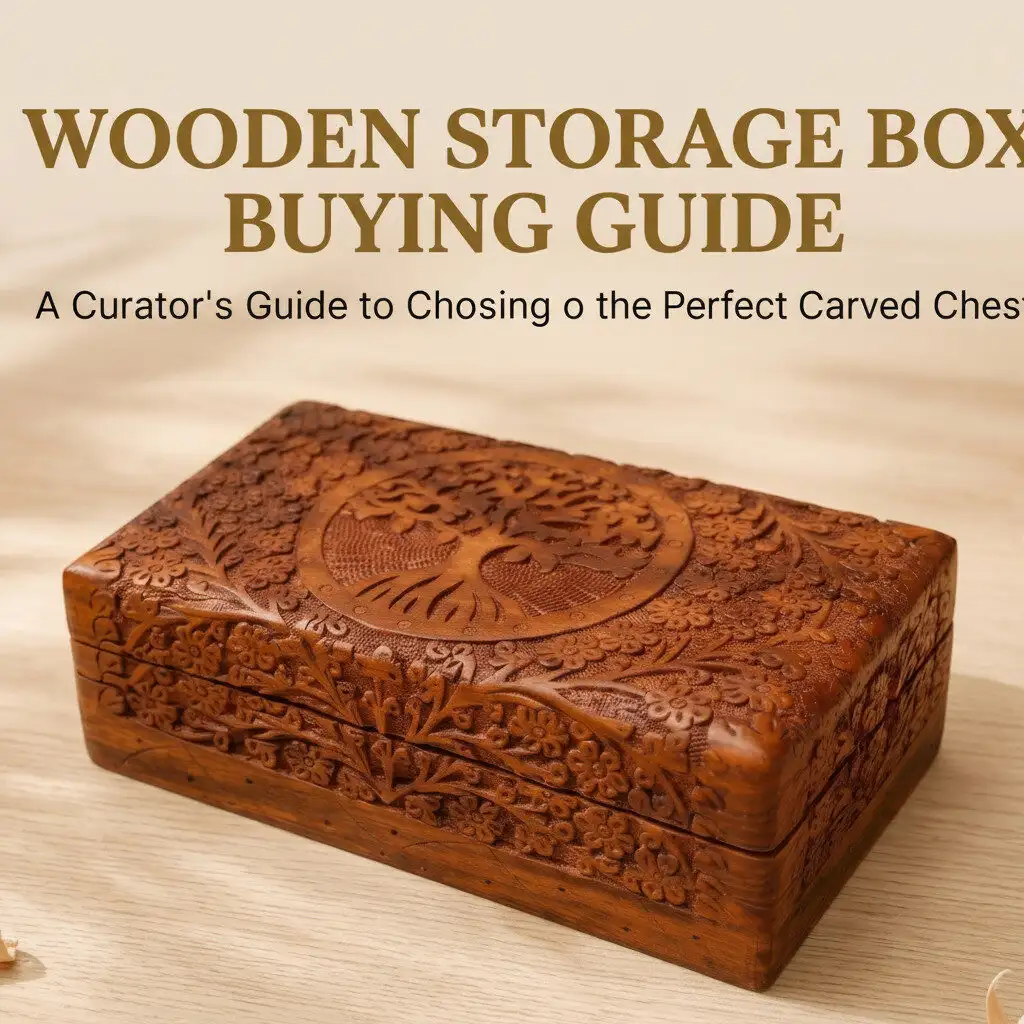
Wooden Storage Box Buying Guide | India House Store Buying a wooden storage box may seem simple, but many homeowners are facing repeated disappointments. Boxes that look sturdy in photos often warp, crack, or develop loose hinges within months. Choosing the wrong wood type or size can turn a simple storage solution into a long-term frustration. This Wooden Storage Box Buying Guide is designed to help you avoid common mistakes and make decisions based on experience, practicality, and durability. Why Wooden Storage Boxes Fail in Every Homes In most households, storage problems arise not from a lack of space but from poor choices. For example, a family in Chennai bought three decorative wooden boxes for blankets and linens, only to find that two of them swelled during the humid monsoon, leaving the lids misaligned. Another household in Bangalore used a decorative box to store heavy books; within six months, the base had bowed, and hinges loosened. This is why choosing the right material and source matters—trusted platforms like India House Stores offer thoughtfully designed home décor and storage solutions that balance durability with everyday usability. Common reasons boxes fail include: High moisture content in wood: Wood that hasn’t been kiln-dried or seasoned correctly expands and contracts with humidity. Weak joinery or thin bases: Boxes with glued corners or thin panels bend under heavy loads. Mismatched box type and usage: Decorative boxes are often not designed for daily heavy storage. Ignoring local climate: Coastal cities like Chennai, Kochi, or Visakhapatnam face high humidity, while dry cities like Jaipur or Bangalore cause wood to shrink faster. In most homes, investing in a well-constructed wooden box means it can last 2–3 times longer than a poorly made alternative, saving both money and effort. Checking Wooden Storage Box Quality Before buying, inspect the box carefully. Even if purchasing wooden boxes online, this information should be available in product descriptions and photos. Moisture Content (MC) Ideal range: 8–12% Lower than 8%: prone to cracking Higher than 12%: risk of swelling and mold Lid Alignment & Hinges Lids should close evenly without friction. Hinges must support 90-degree opening and resist loosening over time. Magnetic or solid metal latches improve longevity. Base Strength & Joinery A flexing base indicates poor construction. Medium to heavy items need a reinforced bottom. Interlocking joints or dovetail corners indicate craftsmanship. Simple glued corners may fail under pressure. Choosing the Right Wood Type Selecting wood is critical for durability, aesthetics, and intended usage. Wood Type Strength Ideal Use Limitation Mango Wood Medium Daily use, lightweight storage Needs polish for moisture resistance Sheesham Wood High Heavy storage, long-term durability Higher cost Rubberwood Medium Eco-friendly option, decorative Less dense, careful for heavy loads Softwood Low Light items, decorative Short lifespan, less durable Tip: In coastal cities, choose Sheesham or well-polished Mango wood. In dry interiors, Mango wood is sufficient for light-to-medium use. Wooden Box Size Guide Size selection often causes more confusion than wood type. Many buyers select boxes based on exterior dimensions, but internal storage space and intended usage are more important. Small (Under 10 inches): Keys, jewelry, small collectibles Medium (10–18 inches): Stationery, documents, towels Large (18+ inches): blankets, bulk storage Practical Example: A couple in Pune used a medium Mango wood box as a bedside organizer for daily essentials. Its compact design allowed stacking multiple boxes in the wardrobe, keeping items accessible without cluttering the bedroom. Types of Wooden Storage Boxes Focus on lifestyle and usage rather than just generic types: Decorative Wooden Storage Box: Serves as décor and storage in living rooms or entryways. Wooden Organizer Box: Perfect for kitchen tools, stationery, or small household items. Wooden Keepsake Box: Securely stores valuables, mementos, or small electronics. Rustic Storage Box: Offers a natural aesthetic suitable for traditional or farmhouse-style interiors. Real-life example: A family in Chennai used a decorative wooden storage box as an entryway key box. Its compact design and lid ensured keys and mail were organized and out of sight while enhancing the entryway décor. Durability, Climate & Craftsmanship Wooden boxes are sensitive to weather conditions. Typically, high-quality boxes last 5–10 years under normal usage, compared to 1–3 years for cheap, untreated options. Handcrafted vs Machine-Made Boxes Handcrafted Wooden Boxes offer: Unique designs, subtle imperfections indicating artisan work, and durable joints. Machine-made boxes provide: Uniform finish, faster production, but often less detailed work. Eco-Friendly Considerations Modern buyers increasingly seek eco-friendly storage boxes. Rubberwood, reclaimed wood, and FSC-certified sources reduce environmental impact. Long-lasting wooden boxes also reduce frequent replacements, which aligns with sustainable living. Visualizing Your Storage Imagine your living room: a stack of medium Mango wood storage boxes on the shelf, each labeled for toys, documents, and linens. In the bedroom, a Wooden Decorative Box made of Sheesham wood sits on the dresser holding valuables. In the kitchen, a wooden organizer box neatly stores utensils and small appliances. This visualization helps you select the right box not just for storage, but for daily interaction. Quick Decision Guide Goal Best Selection Heavy storage / long-term Sheesham wood box Daily use / medium load Mango wood storage box Small valuables / décor Wooden keepsake box Living room décor / light storage Decorative wooden storage box Eco-conscious choice Rubberwood or FSC-certified box Common Mistakes to Avoid Choosing only for appearance Ignoring moisture content and local climate Selecting wrong size for intended use Using decorative boxes for heavy items Not checking joinery or lid alignment Why Choose India House Store India House Store is trusted by thousands of customers for: Durable, climate-tested wooden boxes Expertly crafted Mango, Sheesham, and Rubberwood options Handcrafted products reflecting authentic design Clear product descriptions and usage guidance, along with a helpful Wooden Storage Box Buying Guide to make informed decisions FAQ – Wooden Storage Box Buying Guide 1. What is the best wooden storage box for my homes? In most homes, a Mango wood storage box works well for daily use, while Sheesham wood boxes are ideal for heavy storage or long-term use. Rubberwood is suitable for
Wooden Storage Box Uses and Benefits Explained
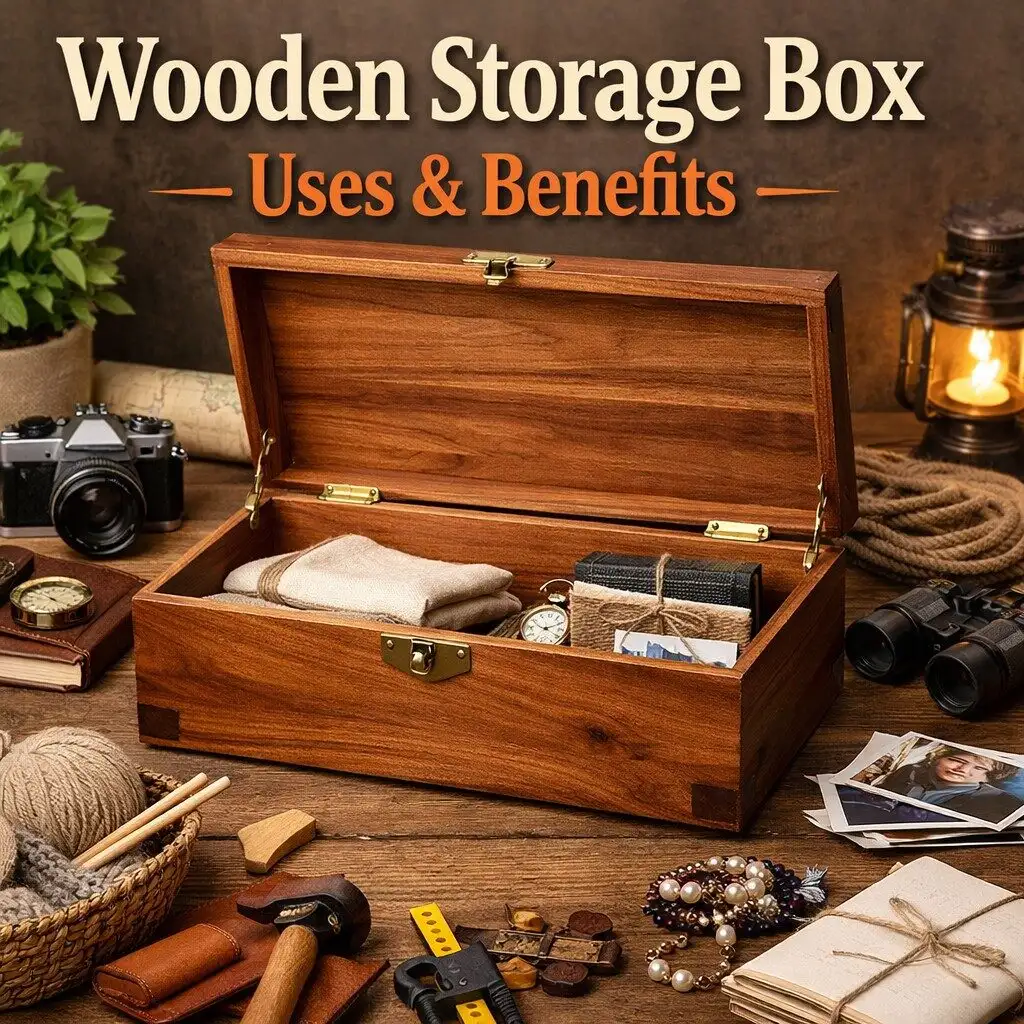
Wooden Storage Box Uses and Benefits | India House Store In many homes today, storage is not just about space — it is about control. When daily-use items are scattered across rooms, it creates friction in routine. Keys are searched every morning, jewellery gets tangled, documents are mixed with old papers, and shelves slowly turn into dumping areas. Most storage products solve only one part of the problem. Plastic containers store items but look out of place. Fabric organizers collapse with time. Metal storage feels cold and industrial. What is missing is a solution that works in real life — something that holds items properly, lasts long, and still fits into the visual setup of the home. This is where understanding Wooden Storage Box Uses and Benefits becomes important. A wooden storage box is not just a container. It is a structured way to manage daily living without adding visual clutter. India House Store focuses on such practical solutions rooted in living patterns, where storage is expected to serve both function and appearance. What Actually Happens in Real Homes (Not Ideal Setups) In smaller apartments across cities like Bangalore, Mysore, or Mumbai, space is limited but items are not. A typical home deals with: One drawer handling multiple categories (bills, chargers, keys) Wardrobes storing both daily and seasonal items together Kitchen shelves filled beyond capacity Decorative items competing with storage space Over time, this leads to two problems: 1. You own storage, but still feel disorganized 2. You avoid using certain items because they are hard to access A well-placed wooden box changes this behavior. Instead of adding more storage, it defines storage boundaries. Wooden Storage Box Uses and Benefits in Daily Living The real value of a wooden storage box is not in what it stores, but in how it improves daily routines. It Reduces Decision Fatigue When items have a fixed place, your brain does less work. A Wooden Decorative Box placed near the entrance for keys and wallets removes the daily habit of searching. This is not about storage — it is about saving time every day. It Handles Weight Without Failing Many people shift from plastic after repeated breakage. In real usage, plastic boxes start bending when loaded with books, tools, or kitchen items. Wood behaves differently. A properly built wooden box holds weight without losing shape. This makes it suitable for: Books and documents Kitchen storage Tools and hardware This is one of the practical benefits of wooden boxes that becomes visible only after long-term use. It Works Across Rooms Without Replacement Most storage items are bought for a single purpose. A wooden box is rarely limited to one use. A wooden box for bedroom storage may later move to the living room or even the kitchen. A wooden gift box often becomes a permanent storage unit. This adaptability reduces the need to keep buying new organizers. It Improves Visual Order Without Effort In many homes, storage is often hidden because it does not look good. Wooden storage does the opposite. A rustic storage box or decorative wooden storage piece can remain visible without disturbing the room setup. This is why many people use: Wooden box for living room tables Wooden trinket box for display shelves Handicraft boxes as décor It combines storage and presentation in one object. Why Wooden Storage Works Better Than Common Alternatives Most people compare storage only based on price, not performance over time. Here is what actually happens in real usage: Situation Plastic Storage Wooden Storage Heavy items Bends or cracks Holds shape Long-term use Weakens in months/years Lasts for years Appearance Looks basic Blends with interiors Reuse Limited Multiple uses Repair Not practical Can be fixed This comparison explains why many households shift to wood after repeated replacement cycles. When a Wooden Storage Box Makes the Most Sense A wooden storage box is not required for everything. It works best in specific situations: When items are used daily and need fixed placement When storage is visible (living room, open shelves) When durability matters (documents, valuables, tools) When you want fewer but long-lasting storage solutions For example, a wooden box with lid is useful when storing items that should remain dust-free or private. When Wooden Storage May Not Be the Right Choice To make a practical decision, it is important to understand limitations: Not ideal for areas with constant moisture Heavier than plastic, so not suitable for frequent movement Requires basic care to maintain finish This balanced view improves trust and helps users choose correctly. How Wooden Boxes Solve Real Storage Problems Instead of adding more shelves or cabinets, wooden boxes solve specific issues: Problem: Mixed storage A wooden organizer box separates categories clearly. Problem: Items not used because they are hard to reach A wooden keepsake box keeps important items accessible. Problem: Storage looks messy even when organized Decorative wooden storage improves visual order. Problem: Too many small storage items One well-sized wooden box replaces multiple containers. Storage Behavior Is Changing in Modern Homes There is a shift happening in how people manage space. Smaller apartments require smarter storage, and people prefer fewer, better-quality items. Wooden boxes fit into this change because they are multi-purpose, long-lasting, and suitable for visible placement. How to Choose the Right Wooden Storage Box To get full value from Wooden Storage Box Uses and Benefits, selection matters more than design. Think in terms of usage, not just appearance: For daily access: choose open or easy-lid boxes For valuables: choose a wooden box with lid For décor: choose handcrafted wooden boxes For multiple items: choose a wooden organizer box Avoid buying based only on design. Function should come first. Common Buying Mistakes People Make Buying too small and ending up with multiple boxes Choosing design over strength Ignoring how often the box will be used Using decorative pieces for heavy storage Why Handcrafted Wooden Boxes Offer Better Value Handcrafted wooden boxes are different from machine-made products. They are built with thicker wood in most
Wooden Storage Box vs Metal Box: Comparison
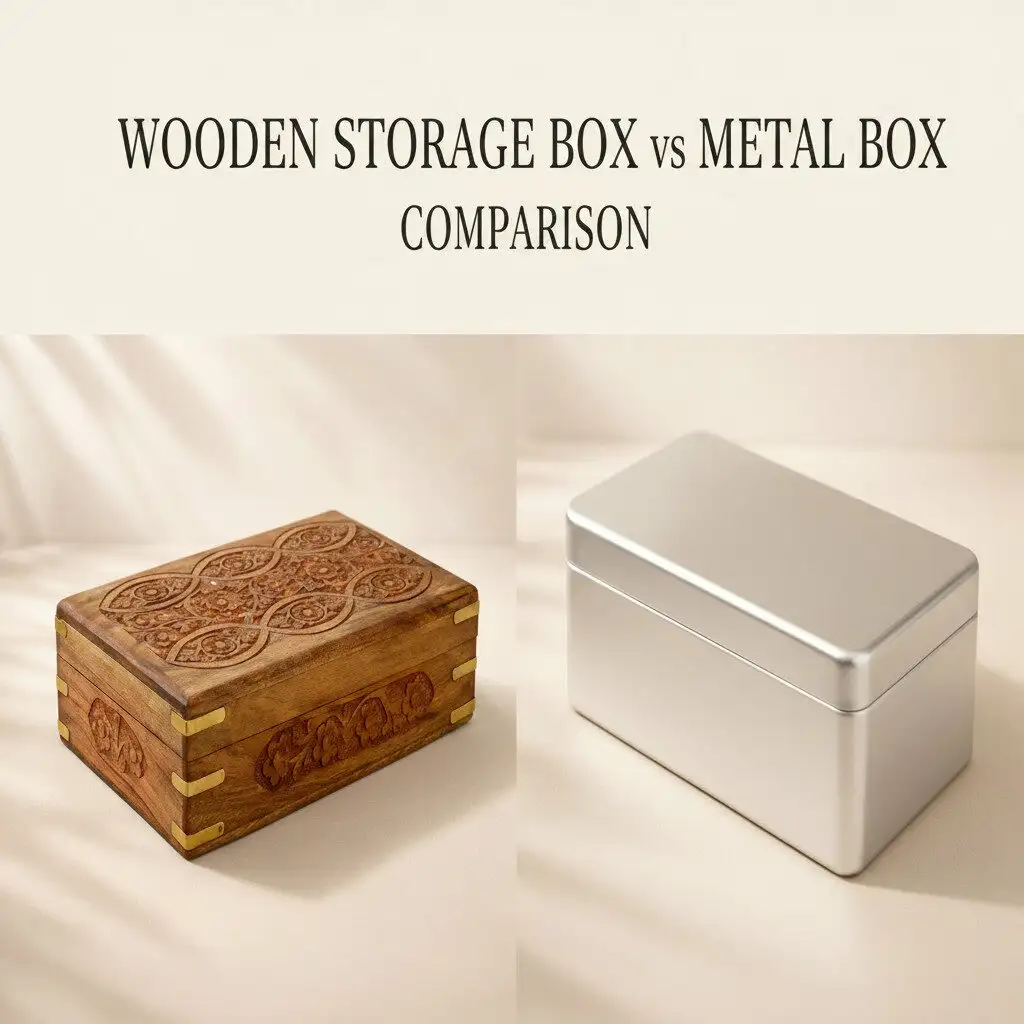
Wooden Storage Box vs Metal Box Comparison | India House Store Choosing storage in many homes is rarely a simple decision. It is not just about picking a box—it is about how that box behaves over time in heat, humidity, and daily use. Many buyers ask: Wooden Storage Box vs Metal Box Comparison — which one actually works? The answer is not based on assumptions. It depends on how each material reacts to temperature, moisture, and everyday handling inside homes. Quick Decision Guide (Before You Read Further) For bedrooms and daily use Wooden storage box For tools, garages, or rough handling Metal storage box For any weather (heat + monsoon) Wooden performs more consistently Most households eventually shift toward wood after facing practical issues with metal. What Actually Goes Wrong After You Buy This is where most comparisons fail—they talk about features, not real problems. In actual homes: A metal box kept under a bed during summer slowly heats up. By afternoon, the surface becomes warm, and the inside temperature rises enough to affect clothes and documents. During monsoon, the same box starts showing early rust near joints and edges. Within months, small patches spread. This is why many homeowners prefer reliable alternatives from India House Store, where storage solutions are designed to handle everyday conditions more effectively. Wood behaves differently. It does not stay cold or hot for long because it does not conduct heat like metal. Even in humid conditions, damage happens slowly and can be controlled. This difference is not visible on day one—but becomes obvious within months. The Real Difference: Material Behavior (Not Just Features) Why Metal Heats Up Faster Metal has high thermal conductivity. This means it transfers heat quickly. Metal absorbs surrounding heat fast It also transfers that heat inside the box Closed spaces trap that heat This is why items inside metal boxes often feel warmer than room temperature. Why Wood Stays More Stable Wood has low thermal conductivity. It slows down heat transfer. So even if the room becomes hot, heat enters the box slowly and internal temperature remains more stable. This makes wooden storage better for papers, and electronics. Why Rust Happens in Metal Boxes Rust is not random. It happens due to a chemical reaction: Moisture + oxygen + iron rust. Humidity accelerates this process. Walls release moisture during monsoon, floors trap dampness, and air humidity rises above 60–80%. This creates the perfect condition for rust. Once rust starts, it spreads under the paint layer and weakens the structure. What Happens to Wood Over Time Wood does not rust, but it reacts differently: It absorbs small amounts of moisture, may expand slightly, and can develop minor surface cracks over years. However, these changes are gradual and manageable with basic care. Wooden vs Metal Storage: Practical Comparison Instead of just listing features, here is how both behave in real use. Factor Wooden Storage Box Metal Storage Box Heat Behavior Stays stable Heats up quickly Moisture Impact Slow effect Fast rust formation Weight Moderate Heavy (12–18 kg empty) Movement Easy for daily use Difficult once filled Lifespan 10–25 years 5–15 years Maintenance Low Requires rust control Appearance Matches interiors Industrial look Wooden Storage Box HeatStable, low conductivity Lifespan10–25 years WeightManageable Metal Storage Box HeatHeats up rapidly Lifespan5–15 years (Rust risk) WeightVery heavy Hidden Problems Most Buyers Realize Late Metal boxes often create condensation inside. When temperature changes, moisture forms even if the outside looks dry. Heavy metal boxes can leave marks or scratches on tiled flooring, especially when dragged. Edges of metal boxes may become sharp over time due to wear, making them less safe. Wooden boxes, when placed slightly above the floor or in ventilated areas, avoid most of these problems and remain stable for years. Where Each Storage Type Actually Works Inside Bedrooms and Living Areas Wooden boxes fit naturally into these spaces. A Wooden Decorative Box matches furniture and can even be used as seating or a side table. Metal boxes in these areas feel out of place and are usually pushed into corners or hidden. Under-Bed Storage This is one of the most common use cases. A metal box under the bed traps heat due to low airflow. Over time, this creates a warm, closed environment. A wooden box performs better because it does not trap heat in the same way. Utility and Garage Spaces Metal boxes still have a place here. For tools or heavy items, strength matters more than appearance or heat control. However, even here, rust remains a long-term issue. Long-Term Cost Reality Actual cost includes maintenance and replacement. Metal boxes often require repainting, anti-rust treatment, and early replacement in humid areas. Wooden boxes usually require occasional polishing and basic moisture care. Over 5–10 years, wooden storage often turns out to be the more stable option. What Buyers Are Choosing Today Across urban and semi-urban homes, more people are shifting toward wooden storage boxes for daily use. Preference is increasing for handcrafted wooden boxes. Storage is now expected to match interiors, not just store items. Metal boxes are gradually becoming limited to non-living spaces. Wooden Storage Box vs Metal Box: Final Decision If your goal is practical, everyday storage inside your home: Wooden boxes provide better balance across durability, usability, and appearance. For a deeper comparison, refer to this Wooden Storage Box vs Metal Box guide. If your need is heavy-duty, rough, or outdoor storage: Metal boxes still serve that purpose. Before You Decide (Important) Think about where the box will be used: Bedroom or living room Wood makes more sense Garage or tool storage Metal may work Daily access vs occasional use Wood is easier FAQs Which storage box is better for long-term storage? Wooden storage boxes are better because they prevent heat buildup and reduce moisture impact. Why do metal boxes smell or feel damp inside? This happens due to condensation. Temperature changes cause moisture to form inside closed metal boxes. Are wooden boxes strong enough for regular use? Yes. Good quality
Best Wooden Decorative Boxes for Storage and Decor
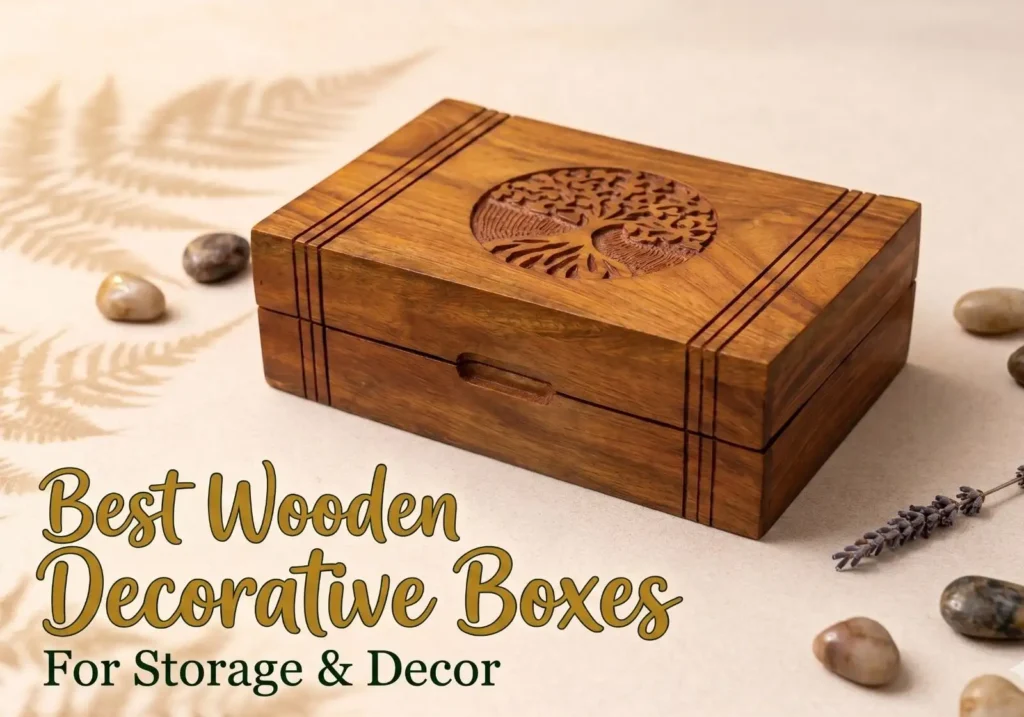
Best Wooden Decorative Boxes for Storage and Decor | India House Store Finding storage solutions that combine functionality and style can be challenging for many homes. Many homeowners struggle with boxes that are either practical but unattractive or decorative but useless. India House Store offers the best wooden decorative boxes for storage and decor, crafted by skilled artisans to bring both organization and visual appeal into your living spaces. Our collection includes wooden boxes for storage and décor, handcrafted wooden boxes, decorative storage boxes for home, and specialty items like wooden jewellery boxes and wooden keepsake boxes. Each piece is carefully designed to complement interiors while offering practical storage solutions. Why Wooden Decorative Boxes are Essential Homeowners often face these storage problems: Boxes that are functional but unattractive disrupt the room décor. Decorative boxes that cannot hold items become more clutter than solution. Difficulty finding handcrafted storage boxes that suit for your house. Unsure which wooden decorative boxes offer long-term value. Lack of authentic, artisan-made boxes in the market. Our wooden boxes for storage and décor solve these issues, providing durability, design, and cultural authenticity. Benefits of Wooden Decorative Boxes Organized Storage: Safely store jewelry, accessories, linens, spices, or keepsakes. Enhances Décor: Adds rustic, ethnic, or modern charm to living rooms, bedrooms, and offices. Eco-Friendly Choices: Sustainably sourced wood reduces environmental impact. Durable & Long-Lasting: High-quality wood, kiln-dried finishes, and smooth hinges ensure years of use. Versatile Use: Suitable for gifting, personal organization, or seasonal storage. Micro Story Example: A family in Chennai uses a set of mango wood Wooden Decorative Box options to store monsoon linens, keeping them dry and neatly organized, while adding warmth to their living room. Room-Specific Storage Solutions Living Room Use Cases: Remotes, magazines, coasters, decorative items. Best Boxes: Rustic wooden storage box, sheesham wood box. Narrative Example: In Mumbai’s humid climate, a medium mango wood box works perfectly for storing magazines, but should be polished monthly to prevent moisture absorption. Bedroom Use Cases: Jewelry, accessories, makeup, keepsakes. Best Boxes: Wooden jewellery box, wooden keepsake box, sheesham wood box. Story: A Bengaluru homeowner stores jewelry in a carved sheesham box; its compartments prevent scratches while keeping the design visible on the dressing table. Kitchen & Dining Use Cases: Cutlery, napkins, spices, tea bags. Best Boxes: Wooden organizer box, mango wood decorative box. Tip: A mango wood box keeps spices organized while blending with ethnic kitchen décor. Bathroom Use Cases: Toiletries, makeup, tissue boxes. Best Boxes: Mango or reclaimed wood boxes with lids. Narrative: In Kochi, reclaimed wood boxes withstand humid bathrooms when regularly oiled. Office / Study Use Cases: Stationery, documents, crafting supplies. Best Boxes: Wooden organizer box, sheesham wood boxes. Example: An office desk in Pune stays clutter-free with stackable mango wood boxes labeled for stationery. Types of Wooden Decorative Boxes Box Type Material Ideal Use Room Lifespan Mango Wood Box Mango Wood Light storage Bedroom / Living Room 5–7 years Sheesham Wood Box Sheesham Heavy storage / Keepsakes Bedroom / Living Room 10+ years Rustic Wooden Box Reclaimed / Mango Throws / Blankets Living Room / Outdoor 7–10 years Jewellery Box Mango / Sheesham Jewelry / Keepsakes Bedroom 5–8 years Organizer Box Plywood / Mango Stationery / Accessories Office / Kitchen 3–5 years Styling Tips: Stack boxes of different sizes for depth. Combine textures like wood and metal for visual interest. Use boxes as wall shelves, tabletop organizers, or plant holders. Features of the Best Wooden Decorative Boxes High-Quality Wood: Mango, sheesham, or reclaimed wood. Kiln-Dried Wood: Moisture content 8–12%, suitable for every climates. Smooth Hinges & Lids: Durable hardware for frequent use. Compartmentalized Interiors: Perfect for jewelry, stationery, or kitchen storage. Handcrafted Designs: Authentic carvings and traditional finishes. Eco-Friendly Options: FSC-certified or reclaimed wood. Climate Guidance: • Coastal cities (Mumbai, Kochi): Use sheesham wood for heavy storage; polish mango wood monthly. • Dry cities (Jaipur, Bhopal): Mango wood boxes are durable with minimal maintenance. • Monsoon-prone regions: Keep boxes elevated from damp floors; avoid direct water exposure. Quick Decision Guide Room Best Box Type Suggested Material Key Feature Living Room Rustic / Sheesham Sheesham / Reclaimed Sturdy, visually appealing Bedroom Jewellery / Keepsake Mango / Sheesham Compartments, decorative finish Kitchen Organizer Mango / Plywood Stackable, moisture-resistant Bathroom Lidded Box Mango / Reclaimed Durable against humidity Office Organizer Mango / Sheesham Label-friendly, compact Real-Life Use Stories Chennai Monsoon Storage: Mango wood boxes keep linens dry and organized. Mumbai Living Room Organization: Medium sheesham boxes for magazines and remotes. Bengaluru Bedroom Décor: Carved sheesham jewellery boxes prevent scratches and add elegance. Testimonial: “I purchased the handcrafted mango wood box for my living room. It stores my keepsakes perfectly and looks stunning—truly adds charm to my home! For those exploring options, check out the Best Wooden Decorative Boxes for Storage and Decor.” – Ananya R., Bangalore FAQs – Wooden Decorative Box Buying Guide What is the best wooden decorative box for my house? Mango wood boxes work well for daily use; sheesham boxes are ideal for heavy or long-term storage. How do I check the quality of a wooden storage box? Check kiln-dried wood (8–12% moisture), smooth hinges, and craftsmanship details. Which wooden box is best for gifting? A wooden gift box with compartments and decorative lid ensures functionality and style. Can these boxes be used in all rooms? Yes, they are versatile for living rooms, bedrooms, kitchens, bathrooms, and offices. Are India House Store boxes available online? Yes, browse our wooden box online collection for secure purchase. How do I style wooden boxes at home? Stack them, use as planters, wall shelves, or tabletop organizers for a mix of function and aesthetics. Are these boxes eco-friendly? Many are made from reclaimed or FSC-certified wood, supporting sustainability and skilled artisans. Upgrade Your Space with Handcrafted Wooden Decorative Storage Boxes Our best wooden decorative boxes for storage and decor provide a perfect balance of style, utility, and durability. From wooden trinket boxes to rustic storage boxes, each piece is handcrafted, eco-friendly, and designed that suit
Are Wooden Boxes Good for Gifting? Simple Guide
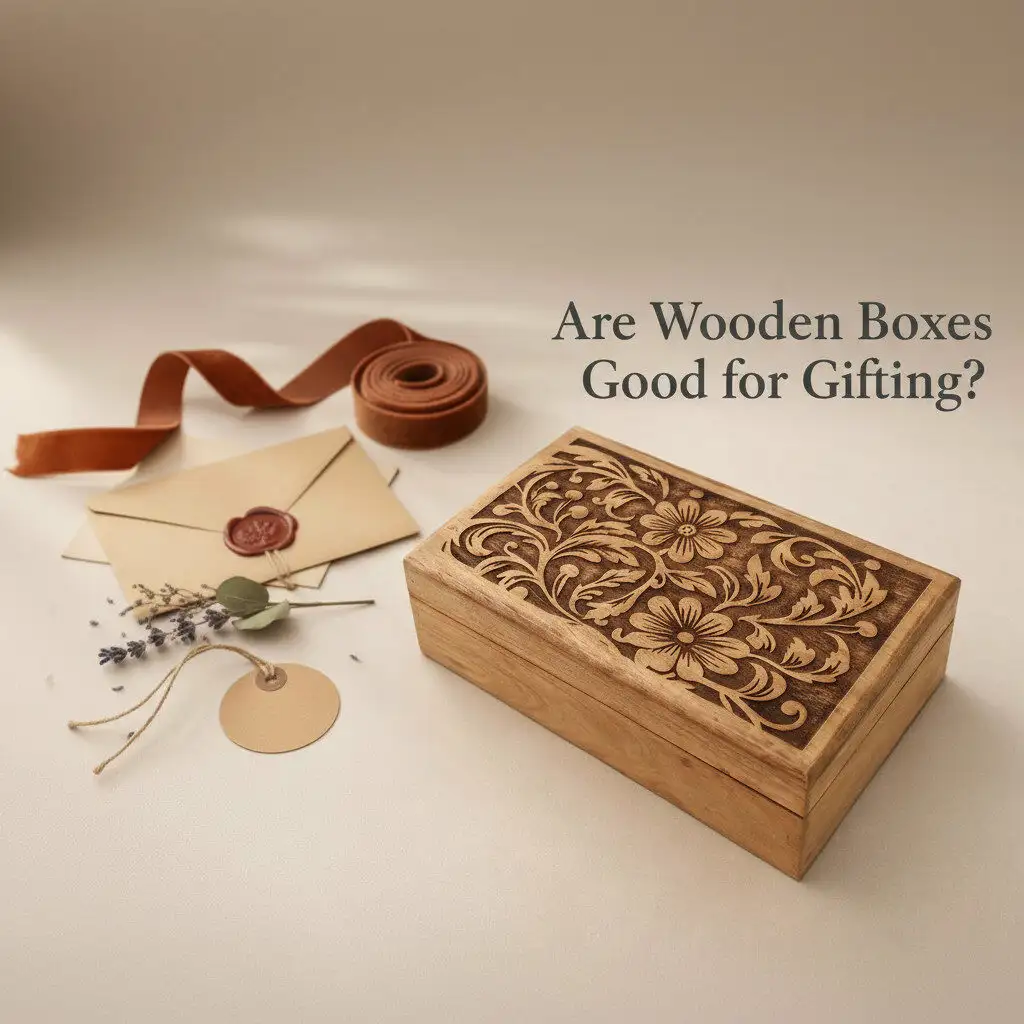
Are Wooden Boxes Good for Gifting | India House Store Choosing the right gift is not easy. Many people face the same issue — the gift should look premium, be useful, and not get ignored after a few days. Still, most options like sweets, plastic items, or decorative pieces fail in long-term use. This is why buyers often ask: Are Wooden Boxes Good for Gifting? India House Store focuses on solving this exact problem by offering gifting options that are practical, durable, and suitable for every house. This page gives a complete, experience-based answer so you can decide with clarity. Quick Decision Guide: Are Wooden Boxes Good for Gifting? Yes — wooden boxes are good for gifting if you want: A long-lasting gift A useful item for daily life A premium-looking option A gift suitable for multiple occasions They may not be suitable if: You need very low-cost bulk gifting You want extremely lightweight packaging Why This Question Matters Most gifting problems come from poor long-term value: Sweets expire within days Decorative items collect dust Plastic gifts break or lose appeal Many gifts are forgotten quickly Because of this, buyers actively search Are Wooden Boxes Good for Gifting before making a decision. What Actually Happens After Gifting a Wooden Box In households, usage matters more than appearance. Based on common usage patterns: Wooden boxes are reused within a few weeks Often used for jewellery, documents, or kitchen storage Many last for years without replacement This makes a wooden box for gifting a practical choice rather than a temporary one. Are Wooden Boxes Durable for Gifting? Yes, durability is one of the biggest advantages. Wood absorbs minor shocks and protects items Strong structure prevents bending or tearing Suitable for fragile items like glass, watches, or décor In many cases, cardboard boxes weaken within days, plastic boxes may crack within 6–12 months, and wooden boxes can last 3 to 10+ years depending on usage. Do Wooden Boxes Look Premium? Yes, and this directly affects how the gift is perceived. Natural grain gives a rich appearance Slight weight adds a sense of value Works in both traditional and modern homes A well-finished wooden gift box option often looks more expensive than common alternatives. Are Wooden Boxes Eco Friendly? A eco friendly gift box option made from wood is more sustainable than disposable packaging. Reusable for years Reduces waste from single-use materials Supports long-term household use However, if wood is not properly finished, it may absorb moisture in humid conditions. Quality matters. The Keepsake Value: Why Wooden Boxes Last Beyond the Gift A wooden keepsake box gift is not just packaging. It becomes: A jewellery storage box A place for personal memories A daily-use storage solution This creates a “two-in-one” effect — both a gift and a lasting utility item. Wooden Boxes vs Other Gift Options (Clear Comparison) Factor Wooden Box Cardboard Box Plastic Box Durability High Low Medium Reusability Long-term Very low Medium Appearance Premium Basic Basic Protection Strong Weak Moderate Lifespan 3–10+ years Few days 6–12 months Key Insight: For meaningful gift ideas, wooden boxes provide better long-term value compared to other options. Emotional Value Through Personalisation A personalised Wooden Decorative Box option adds emotional meaning. You can include: Names, Messages, Dates, and Logos for corporate gifting. This makes the gift memorable and more personal. When Wooden Boxes May Not Be Suitable To give a complete answer to Are Wooden Boxes Good for Gifting, there are some limitations: Not ideal for very low budgets Not suitable for extremely lightweight gifting needs Large boxes may not fit all storage spaces Being aware of this helps in making the right decision. Occasion-Based Use Festivals: A wooden box for Diwali gift is commonly used for dry fruits and remains useful after the festival. Weddings: A wooden box for wedding gift works well for jewellery or keepsakes. Housewarming: A wooden box for housewarming becomes a storage solution in a new home. Birthdays: A wooden box for birthday gift offers better long-term value than typical gift items. Corporate Gifting: A wooden box for corporate gifting provides a reusable and professional option. Types of Wooden Boxes for Gifting Based on Wood Type Pine Wood: Lightweight and budget-friendly Mango Wood: Balanced durability and natural finish Sheesham Wood: Strong and long-lasting Based on Usage Wooden box with lid for gifting – simple and versatile Wooden box gift set – ready-to-gift option Rustic wooden gift box – minimal design Handcrafted wooden gift box – artisan-made Handicraft gift box – traditional style Best Wooden Box Gifts Based on Budget Low Budget: Small pine wood boxes Mid Range: Mango wood boxes or simple handcrafted options High Range: Sheesham wood or personalised designs Changing Gifting Trends in 2026 Current patterns show a shift from disposable gifts to reusable items, increasing demand for wooden box gift ideas, and growth in wooden box online purchases. People now prefer gifts that last longer and have real use. Common Mistakes Buyers Make Choosing low-quality wood Ignoring size requirements Overlooking hinges and finishing Buying without a clear purpose A wrong choice can reduce the value of the gift. To make a better decision, read this Are Wooden Boxes Good for Gifting? Simple Guide. What Buyers Prefer (Observed Patterns) Wooden boxes are widely used for weddings due to reuse value Corporate buyers prefer them for repeat gifting Festival gifting is shifting toward reusable packaging What to Check Before Buying Material quality (solid wood is better) Hinge strength Lid alignment Surface finishing Size suitability If product details are unclear, it is better to verify before purchase. Why India House Store Recommends Wooden Boxes India House Store focuses on products that are used in real homes. Offers wooden box for gifting options suited for every conditions Focus on durability and practical use Includes both simple and handcrafted wooden gift box designs Suitable for festivals, weddings, and daily use FAQ: Are Wooden Boxes Good for Gifting Are wooden boxes good for gifting? Yes, they are suitable for most occasions because they are