
Wooden storage boxes are a common part of many households, used for storing jewellery, documents, kitchen items, and daily essentials. Many buyers expect these boxes to last for years. In reality, a large number of users start facing issues much earlier than expected. Choosing reliable options from India House Store can help avoid such problems with better craftsmanship and durable materials.
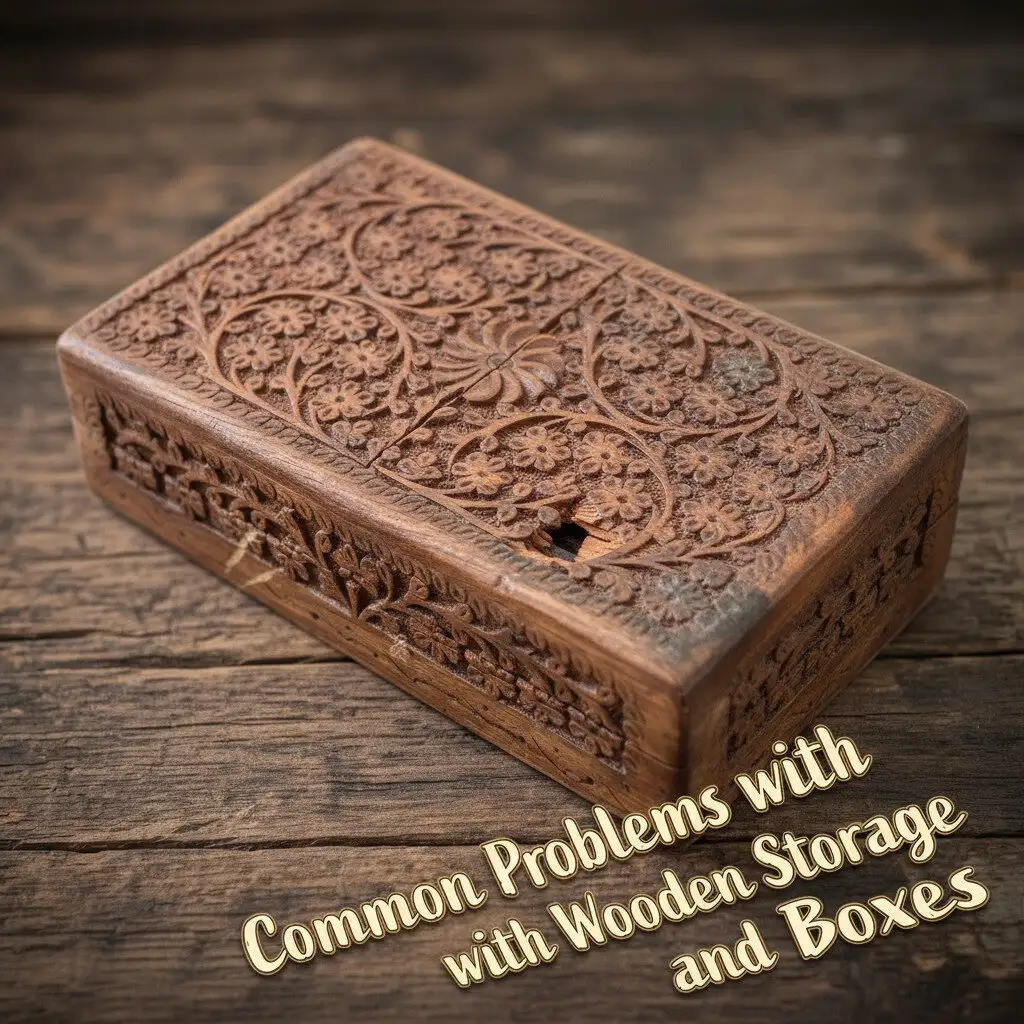
Based on common problems observed across many households, these issues are not random. They follow consistent patterns linked to climate conditions, wood quality, storage habits, and construction methods. This page explains Common Problems with Wooden Storage Boxes, why they happen in real-life conditions, and what they mean for long-term durability.
Why Wooden Storage Boxes Fail Faster
Wooden products go through constant environmental stress. Unlike controlled environments, most homes face:
Wood reacts to these changes continuously. It absorbs moisture and expands, then loses moisture and shrinks. This repeated cycle creates internal pressure inside the wood. Over time, this pressure leads to visible damage. In many cases reported by users, early failure happens not because of heavy usage, but because the wood was not properly prepared to handle these changes. This is the core reason behind most wooden box problems.
How Damage Develops Over Time (0–12 Months Reality)
Most wooden storage box issues do not appear immediately. They develop gradually.
First 1–3 months: The box looks stable. Minor moisture absorption begins, especially in humid regions.
3–6 months: Surface changes start. Slight misalignment, dull finish, or tight lids may appear.
6–12 months: Clear problems become visible—cracks, swelling, hinge loosening, or warping.
In many homes, especially during monsoon, a large portion of visible damage begins within this 6–12 month window.
Cracking Is Often the First Visible Problem
One of the earliest signs of failure is wooden box cracking. It usually starts as fine lines and gradually becomes deeper splits. This happens when different parts of the wood lose moisture at different speeds. For example, when a box is placed near a window, the outer surface dries faster than the inner layers. This imbalance creates stress.
In apartments with direct sunlight exposure, cracking is more common compared to homes with shaded interiors. Once cracks appear, the strength of the box reduces. Over time, these cracks allow moisture and dust to enter, accelerating further damage. Choosing a Wooden Decorative Box made from quality wood can help reduce such issues and improve durability.
Warping Changes the Shape of the Box
Many users notice that after a few months, the lid no longer closes properly. This is a result of wooden box warping. Warping is not caused by one single factor. It usually happens when:
In coastal cities like Mumbai or Chennai, where humidity remains high for long periods, warping tends to happen faster compared to drier regions. Once the shape changes, it rarely returns to normal. This directly affects usability.
Moisture Damage and Swelling in Daily Use
A common issue in many homes are wooden box swelling, especially during monsoon. Boxes placed directly on tiled floors absorb moisture from below. Even when the floor looks dry, it often retains dampness. Over time, the bottom panels absorb this moisture and expand.
Users often report that drawers or lids become tight and difficult to open. This is not a mechanical issue—it is moisture-related expansion. In independent houses, where ground moisture is higher, this problem is more noticeable than in upper-floor apartments.
Termite Damage Often Goes Unnoticed
Wooden box termite damage is one of the most serious problems because it develops internally. In many cases, users only notice it after structural damage has already occurred. Powder-like dust near the box or tiny holes are early warning signs.
This problem is more common in:
If the wood is not treated properly, termites can weaken the box from inside, leading to sudden failure.
Finish Fading Reduces Visual Life
Even when the structure is intact, many boxes lose their appearance due to wooden box finish fading. Sunlight exposure is the main reason. In many homes, boxes placed near windows or balconies are exposed to UV rays for several hours daily. Over time, this causes colour fading, uneven patches, and a dull surface. This is especially noticeable in decorative and gift boxes.
Hardware Failure Is a Common Frustration
Another frequent issue reported by users is wooden box hinge problems. In many cases, the wood itself is not strong enough to hold screws firmly. With repeated use, hinges become loose, and lids start misaligning. This is more common in boxes used daily, such as jewellery or kitchen storage boxes. Once the screw grip weakens, simply tightening it does not provide a long-term solution.
Quality of Wood Makes a Major Difference
Not all wooden boxes perform the same. The type of wood and how it is processed plays a major role:
In many low-cost products, mixed or unseasoned wood is used. This reduces durability significantly. Users often realise this only after the box starts failing.
What Most Buyers Do Not Notice at the Time of Purchase
Many problems begin before the box is even used. In most cases observed, buyers focus on design and finish, while ignoring structural quality. Some common signs that indicate potential problems include:
These small details often indicate deeper wooden box quality issues.
How Usage Habits Affect Wooden Box Durability
The way a box is used also influences how quickly problems appear:
In many homes, under-bed storage is very common. However, limited ventilation in this space increases the risk of warping and moisture damage.
Real Lifespan of Wooden Storage Boxes
There is no single lifespan for all wooden boxes. Based on common usage patterns:
The difference comes down to material quality, construction, and environmental exposure.
When Repair Works and When It Does Not
Not all problems require replacement, but not all can be fixed either. Minor issues like small cracks or loose hinges can be repaired. However, structural problems such as warping or severe swelling usually remain even after attempts to fix them. Understanding this helps avoid repeated spending on temporary solutions.
Simple Maintenance Can Delay Problems
While maintenance cannot completely prevent damage, it can slow it down. Keeping the box in a well-ventilated area, avoiding direct sunlight, and reducing moisture exposure can improve durability. Maintaining indoor humidity between roughly 30% and 50% is considered stable for wooden products. Regular care helps, but it cannot compensate for poor material quality.
Final Understanding of Common Problems with Wooden Storage Boxes
Common Problems with Wooden Storage Boxes are mainly caused by a combination of environmental stress, material quality, and usage patterns. Most problems—cracking, warping, swelling, termite damage—are predictable once you understand how wood behaves.
Invest in Quality That Endures
Don't let poor construction ruin your storage needs. Choosing a wooden box is about how well it handles real-home conditions, not just how it looks on a shelf.
"A well-made wooden storage box should perform reliably over time. India House Store provides options designed for real-world durability."