

Are Wooden Boxes Better Than Plastic Storage
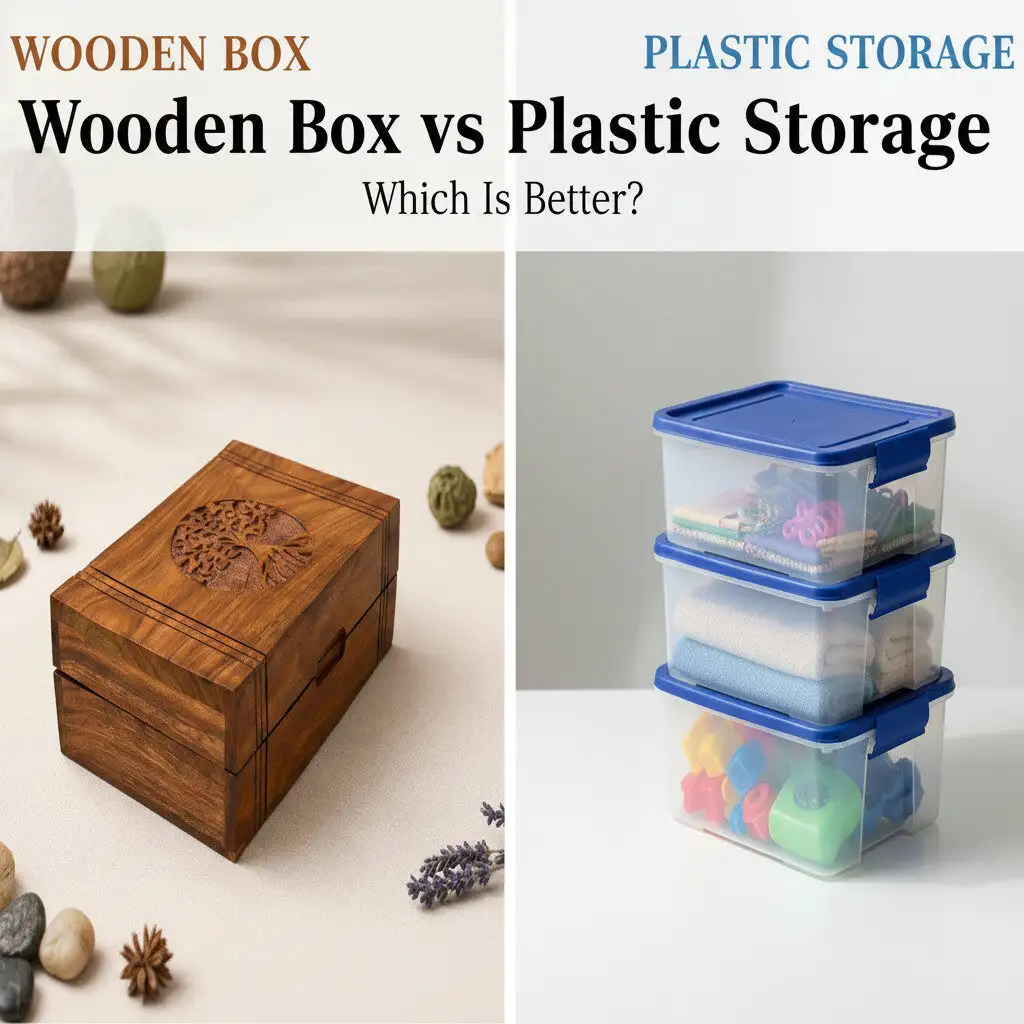
Are Wooden Boxes Better Than Plastic Storage | India House Store Storage problems in most homes are not caused by lack of space — they are caused by poor storage choices. Many households start with plastic containers because they are cheap and easily available. Within a few months or years, the same problems appear again: broken lids, cracked edges, and clutter that still feels unmanaged. This is why many homeowners turn to India House Store for durable and long-lasting storage solutions that reduce the need for frequent replacements. This leads to a practical question many homeowners are now asking: Are Wooden Boxes Better Than Plastic Storage? Clear Decision Yes — in most real home situations, wooden boxes are better than plastic storage. Choose wooden storage boxes for long-term use, better appearance, and durability Use plastic only for temporary storage or moisture-heavy areas This conclusion is based on how materials behave over time in real homes — not just theory. What Actually Happens in Real Homes In households, storage is used daily — not occasionally. From observation: Plastic boxes often crack within 1–3 years, especially in heat Lids stop fitting due to shape distortion Stacked plastic boxes bend under weight Over time, mismatched plastic containers create visual clutter Wood behaves differently: Maintains structure even after years of use Can carry heavy loads without bending Ages naturally instead of degrading Continues to look acceptable even with wear This difference is the real reason why many homeowners shift toward wooden box for home storage. Material Behavior: Why Wood Performs Better Than Plastic Plastic Behavior Over Time Plastic is flexible but unstable under long-term stress. It expands in heat and contracts in cooler conditions, becomes brittle with repeated use, weakens at joints and handles, and cannot be repaired once cracked. Wood Behavior Over Time Wood is structurally stable. It holds weight without bending, does not lose shape easily, and can be repaired, polished, or reused. It gains surface character instead of looking damaged. This explains why durable storage boxes made of wood last significantly longer than plastic. Wooden Box vs Plastic Storage Factor Wooden Storage Boxes Plastic Storage Lifespan 8–20+ years (with basic care) 1–5 years typical usage Load Capacity High (books, utensils, tools) Limited, bends under weight Repairability Can be repaired or refinished Not repairable Visual Impact Improves home look Creates cluttered appearance Environmental Impact Supports sustainable home storage Adds to long-term waste Cost Over Time One-time investment Repeated replacement cost Wooden Storage Boxes Lifespan8-20+ Years RepairYes, can be refinished ValueHigh visual impact & durability Plastic Storage Lifespan1-5 Years RepairNone, must replace ValueTemporary, adds to waste Hidden Cost of Plastic Storage Plastic appears cheaper, but over time it requires replacement every few years, leads to the accumulation of unusable broken containers, and reduces home appearance quality. Choosing a Wooden Decorative Box offers a more durable and visually appealing alternative for long-term use. The Logic: If a plastic box lasts 2 years and is replaced 5 times in 10 years, the total cost becomes higher than one wooden box that lasts the entire period. This is why wooden storage is more practical when considering lifecycle cost, not just purchase price. Chemical and Safety Perspective Plastic storage can contain synthetic compounds. Over time, material quality degrades with heat. Wood, as a natural storage material, does not release synthetic residues in normal conditions, is widely used for dry food, and supports plastic free storage. For households moving toward eco friendly storage solutions, this difference matters. Storage Psychology: Why Wooden Storage Feels Better Observed behavior shows people tend to hide plastic containers, while wooden boxes are often placed in visible areas. Organized wooden storage improves perceived cleanliness because wood aligns with natural materials, while plastic creates a temporary look. Real-Life Use Cases Kitchen Storage: Wooden boxes are used for storing rice, pulses, spices, and utensils. They remain stable even with frequent use. Living Room Storage: Wooden boxes act as both storage and décor. They store books, remotes, and daily-use items. Entry Area: A wooden organizer box helps manage keys, wallets, and small items. When Wooden Boxes Are the Better Choice Wooden storage is the better option when you need long lasting storage boxes, storage is visible, items are heavy, or you want sustainable home storage. When Plastic Storage Still Makes Sense Plastic is useful in specific situations like bathrooms, wet environments, temporary needs, or very lightweight items. This balanced view improves decision accuracy. Modern Storage Trends In recent years, homes are becoming more design-focused, compact living requires smarter storage, and people prefer fewer, long-lasting items. This shift has increased demand for wooden décor and storage, handcrafted wooden boxes, and sustainable home storage solutions. For more insights, read Are Wooden Boxes Better Than Plastic Storage. Buying Guidance: Choosing the Right Wooden Storage Size Selection Small: Keys, jewelry | Medium: Documents | Large: Blankets, bulk storage Type Selection Closed: Dust protection | Open: Easy access | Stackable: Space saving Usage-Based Selection Kitchen compact boxes | Bedroom covered boxes | Living room decorative storage Why India House Store Strong and durable storage boxes built for daily use Wide range of wooden organizer box designs Products made from natural storage materials Options that combine storage and décor Authentic handicraft boxes made by skilled artisans These products are designed for long-term use, not short-term replacement. Frequently Asked Questions Are wooden boxes better than plastic storage for long-term use? Yes, wooden boxes are better for long-term use because they maintain structure, handle heavy weight, and last longer than plastic containers. Are wooden storage boxes eco friendly compared to plastic? Yes, wooden boxes support eco friendly storage solutions as they are made from natural materials and reduce long-term waste. Do wooden storage boxes last longer than plastic containers? Yes, long lasting storage boxes made from wood can last many years, while plastic usually needs replacement within a few years. Are wooden boxes safe for kitchen storage? Wooden boxes are suitable for storing dry items like grains, spices, and utensils when kept clean and
Common Problems with Wooden Storage Boxes
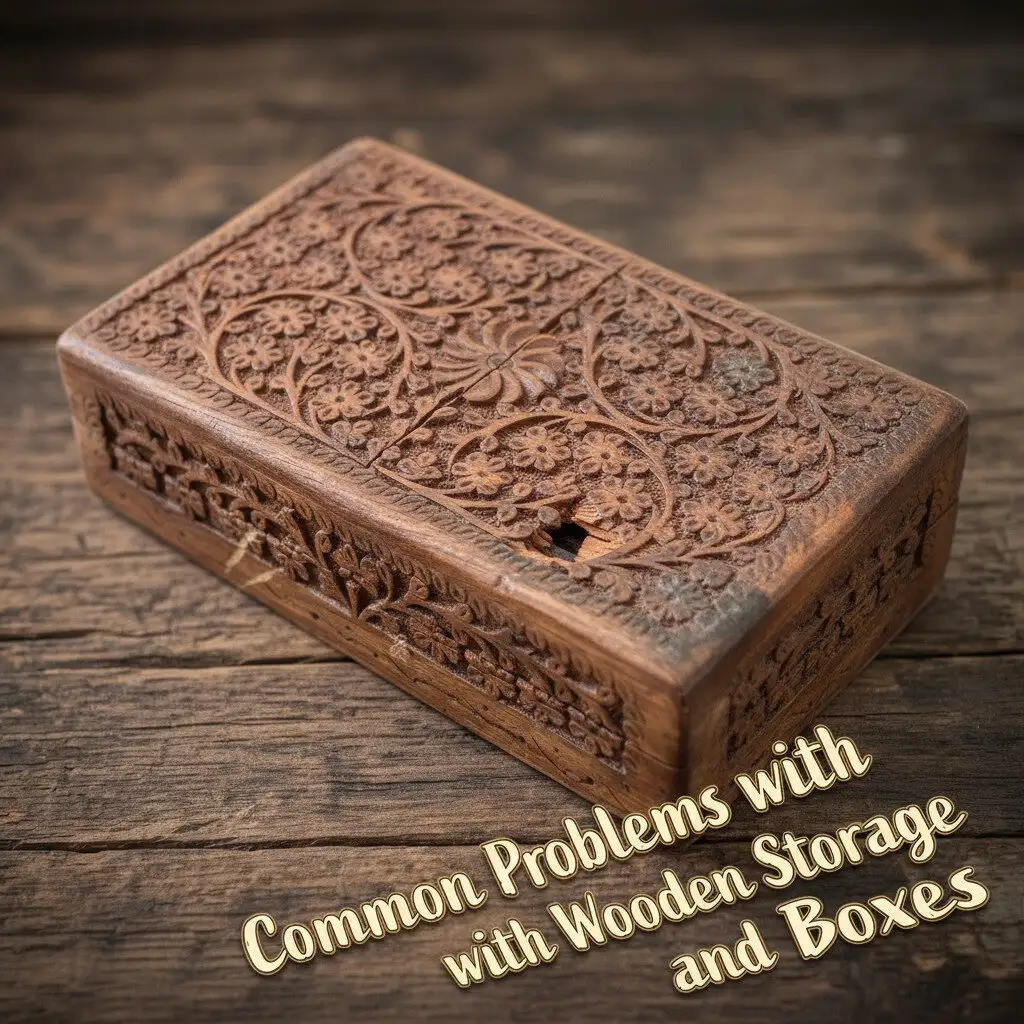
Common Problems with Wooden Storage Boxes | India House Store Wooden storage boxes are a common part of many households, used for storing jewellery, documents, kitchen items, and daily essentials. Many buyers expect these boxes to last for years. In reality, a large number of users start facing issues much earlier than expected. Choosing reliable options from India House Store can help avoid such problems with better craftsmanship and durable materials. Based on common problems observed across many households, these issues are not random. They follow consistent patterns linked to climate conditions, wood quality, storage habits, and construction methods. This page explains Common Problems with Wooden Storage Boxes, why they happen in real-life conditions, and what they mean for long-term durability. Why Wooden Storage Boxes Fail Faster Wooden products go through constant environmental stress. Unlike controlled environments, most homes face: High humidity during monsoon (often 70% to 90%) Dry indoor air during summer Moisture exposure from tiled floors, kitchens, and walls Wood reacts to these changes continuously. It absorbs moisture and expands, then loses moisture and shrinks. This repeated cycle creates internal pressure inside the wood. Over time, this pressure leads to visible damage. In many cases reported by users, early failure happens not because of heavy usage, but because the wood was not properly prepared to handle these changes. This is the core reason behind most wooden box problems. How Damage Develops Over Time (0–12 Months Reality) Most wooden storage box issues do not appear immediately. They develop gradually. The Degradation Timeline: First 1–3 months: The box looks stable. Minor moisture absorption begins, especially in humid regions. 3–6 months: Surface changes start. Slight misalignment, dull finish, or tight lids may appear. 6–12 months: Clear problems become visible—cracks, swelling, hinge loosening, or warping. In many homes, especially during monsoon, a large portion of visible damage begins within this 6–12 month window. Cracking Is Often the First Visible Problem One of the earliest signs of failure is wooden box cracking. It usually starts as fine lines and gradually becomes deeper splits. This happens when different parts of the wood lose moisture at different speeds. For example, when a box is placed near a window, the outer surface dries faster than the inner layers. This imbalance creates stress. In apartments with direct sunlight exposure, cracking is more common compared to homes with shaded interiors. Once cracks appear, the strength of the box reduces. Over time, these cracks allow moisture and dust to enter, accelerating further damage. Choosing a Wooden Decorative Box made from quality wood can help reduce such issues and improve durability. Warping Changes the Shape of the Box Many users notice that after a few months, the lid no longer closes properly. This is a result of wooden box warping. Warping is not caused by one single factor. It usually happens when: One side of the box absorbs more moisture than the other Airflow is uneven (for example, one side against a wall) The wood grain expands in different directions In coastal cities like Mumbai or Chennai, where humidity remains high for long periods, warping tends to happen faster compared to drier regions. Once the shape changes, it rarely returns to normal. This directly affects usability. Moisture Damage and Swelling in Daily Use A common issue in many homes are wooden box swelling, especially during monsoon. Boxes placed directly on tiled floors absorb moisture from below. Even when the floor looks dry, it often retains dampness. Over time, the bottom panels absorb this moisture and expand. Users often report that drawers or lids become tight and difficult to open. This is not a mechanical issue—it is moisture-related expansion. In independent houses, where ground moisture is higher, this problem is more noticeable than in upper-floor apartments. Termite Damage Often Goes Unnoticed Wooden box termite damage is one of the most serious problems because it develops internally. In many cases, users only notice it after structural damage has already occurred. Powder-like dust near the box or tiny holes are early warning signs. This problem is more common in: Ground-floor homes Storerooms with low ventilation Areas with consistent humidity If the wood is not treated properly, termites can weaken the box from inside, leading to sudden failure. Finish Fading Reduces Visual Life Even when the structure is intact, many boxes lose their appearance due to wooden box finish fading. Sunlight exposure is the main reason. In many homes, boxes placed near windows or balconies are exposed to UV rays for several hours daily. Over time, this causes colour fading, uneven patches, and a dull surface. This is especially noticeable in decorative and gift boxes. Hardware Failure Is a Common Frustration Another frequent issue reported by users is wooden box hinge problems. In many cases, the wood itself is not strong enough to hold screws firmly. With repeated use, hinges become loose, and lids start misaligning. This is more common in boxes used daily, such as jewellery or kitchen storage boxes. Once the screw grip weakens, simply tightening it does not provide a long-term solution. Quality of Wood Makes a Major Difference Not all wooden boxes perform the same. The type of wood and how it is processed plays a major role: Mango wood box problems often include higher moisture absorption Sheesham wood box issues are less frequent but still possible if the wood is not properly dried In many low-cost products, mixed or unseasoned wood is used. This reduces durability significantly. Users often realise this only after the box starts failing. What Most Buyers Do Not Notice at the Time of Purchase Many problems begin before the box is even used. In most cases observed, buyers focus on design and finish, while ignoring structural quality. Some common signs that indicate potential problems include: Very light weight compared to size Slight gaps at joints Uneven lid alignment Rough inner surfaces These small details often indicate deeper wooden box quality issues. How Usage Habits Affect Wooden Box Durability The way a box is used
Best Ways to Organize Home Using Wooden Boxes
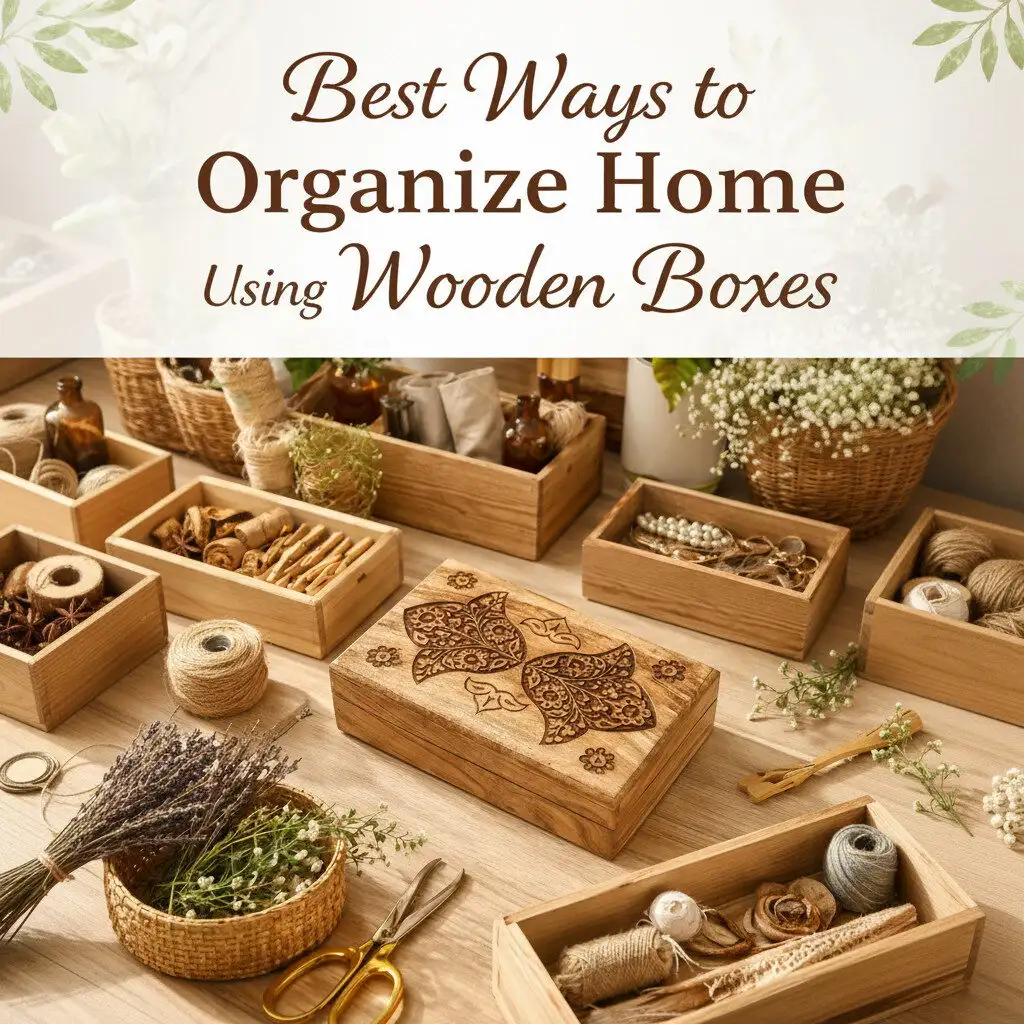
Best Ways to Organize Home Using Wooden Boxes | India House Store In many homes today, the problem is not space — it is how space is used. Items are placed wherever there is room, not where they belong. Over time, this leads to clutter that affects daily routines. Identifying the best ways to organize home using wooden boxes is a fantastic step toward creating a clutter-free and aesthetically pleasing living space. In most many households, common situations include searching for keys every morning, mixing kitchen items in the same shelf, or struggling to find clothes in an overcrowded wardrobe. Many people try plastic containers or temporary storage, but they break, look out of place, or fail to solve the real issue. The best ways to organize home using wooden boxes focus on building a simple system where every item has a fixed place. Wooden boxes are not just storage units. They help divide space clearly, reduce confusion, and improve both function and home décor and storage. India House Store provides wooden storage solutions that are built for long-term use, especially for homes where durability and practical use matter. Why Wooden Boxes Are More Effective (The Best Ways to Organize Home Using Wooden Boxes) From practical home organization experience, one common pattern is clear: people who use short-term storage solutions often replace them repeatedly. This leads to higher cost and continued clutter. Wooden boxes solve this problem because they: Provide strong and long-lasting storage Work across different rooms without looking mismatched Combine storage with visual appeal Can be reused for different purposes over time Unlike plastic, wooden storage solutions maintain both function and appearance even after years of use. Common Storage Problems in Modern Homes With compact apartments, growing families, and limited built-in storage, organization becomes difficult. Most homeowners face: Mixing of unrelated items in one space No fixed location for daily essentials Overloaded shelves and wardrobes Storage that does not match interiors Difficulty maintaining a clutter free home These problems are not solved by adding more storage. They are solved by using the right structure. Practical Ways to Organize Home with Wooden Storage Living Room Storage Using Wooden Boxes The living room is where clutter builds up fastest because it handles multiple activities. Wooden box storage ideas for living room use: Instead of leaving items scattered, assign a wooden organizer box for everyday essentials like remotes and chargers. Books and magazines can be grouped in medium-sized boxes to avoid piling on tables. Stacking wooden boxes vertically can also create a simple shelf structure without adding furniture. Decorative storage boxes can be placed on open shelves to combine storage with display. Why this works: It reduces visible clutter and keeps frequently used items within reach. Bedroom Storage Using Wooden Boxes Bedrooms often look organized but contain hidden clutter in drawers and side tables. A Wooden Decorative Box for bedroom use can help separate personal items properly. Jewellery stored in a wooden keepsake box avoids tangling and damage. Daily-use items like watches and wallets stay in one place instead of being scattered. Documents and valuables can be stored in a wooden box with lid to protect them from dust and misplacement. Why this works: It simplifies daily routines and reduces time spent searching. Kitchen Organization with Wooden Boxes In many kitchens, shelves hold mixed items like spices, groceries, and utensils. This slows down daily cooking. A wooden box for kitchen use creates clear separation. Dry items, spices, and cutlery can be stored in different boxes. Smaller boxes can be placed inside drawers to create sections. Wooden boxes are also suitable for storing vegetables like onions and garlic, as they allow better air flow compared to plastic containers. Why this works: It improves efficiency and reduces confusion during cooking. Wardrobe Organization Using Wooden Storage Solutions Wardrobes often lack internal structure, leading to wasted space. Wooden organizer box systems can divide shelves into sections. Accessories like belts and scarves can be grouped into smaller boxes. Why this works: It increases usable space without expanding the wardrobe. Kids Room Storage with Wooden Boxes Children’s rooms often become cluttered because toys and books are not stored systematically. Using wooden storage solutions, toys can be grouped by type in larger boxes, while books and stationery can be stored in smaller ones. Labeling each box helps children learn where items belong. Unlike plastic, wooden boxes handle rough use better and last longer. Why this works: It makes cleaning easier and builds organized habits. Entryway Storage for Daily Essentials One of the most common problems in any home is misplaced keys and wallets. A simple system using wooden boxes can fix this. Assign one box for keys, one for wallets, and one for documents or bills. Why this works: It removes daily confusion and saves time every morning. Outdoor and Balcony Wooden Storage Ideas Wooden boxes can also be used outside the home. They can function as plant containers, storage for gardening tools, or vertical planters. This adds both storage and visual value. Why this works: It uses unused space efficiently. 3-Level Wooden Box Organization System A structured system improves long-term organization. Level 1: Daily Use – Items used every day (keys, remotes, kitchen essentials) Level 2: Regular Use – Items used weekly (extra utensils, accessories) Level 3: Storage – Items used occasionally (festive items) This system prevents mixing and keeps storage simple. Wooden Storage vs Plastic Storage Factor Wooden Storage Plastic Storage Durability Long-lasting Breaks over time Appearance Matches interiors Often mismatched Reusability High Limited Long-term cost Lower Higher due to replacement Wooden Storage LongevityExtremely high, durable material DesignBlends with home decor naturally Wooden box storage methods provide better value over time. Common Mistakes While Organizing with Wooden Boxes Many people use storage but still face clutter because of incorrect usage. Common mistakes include: Mixing multiple categories in one box Using oversized or undersized boxes Not assigning fixed positions Overfilling boxes Keeping frequently used items in hard-to-reach places Correcting these improves organization immediately. How to Choose
Things to Consider Before Buying a Wooden Box
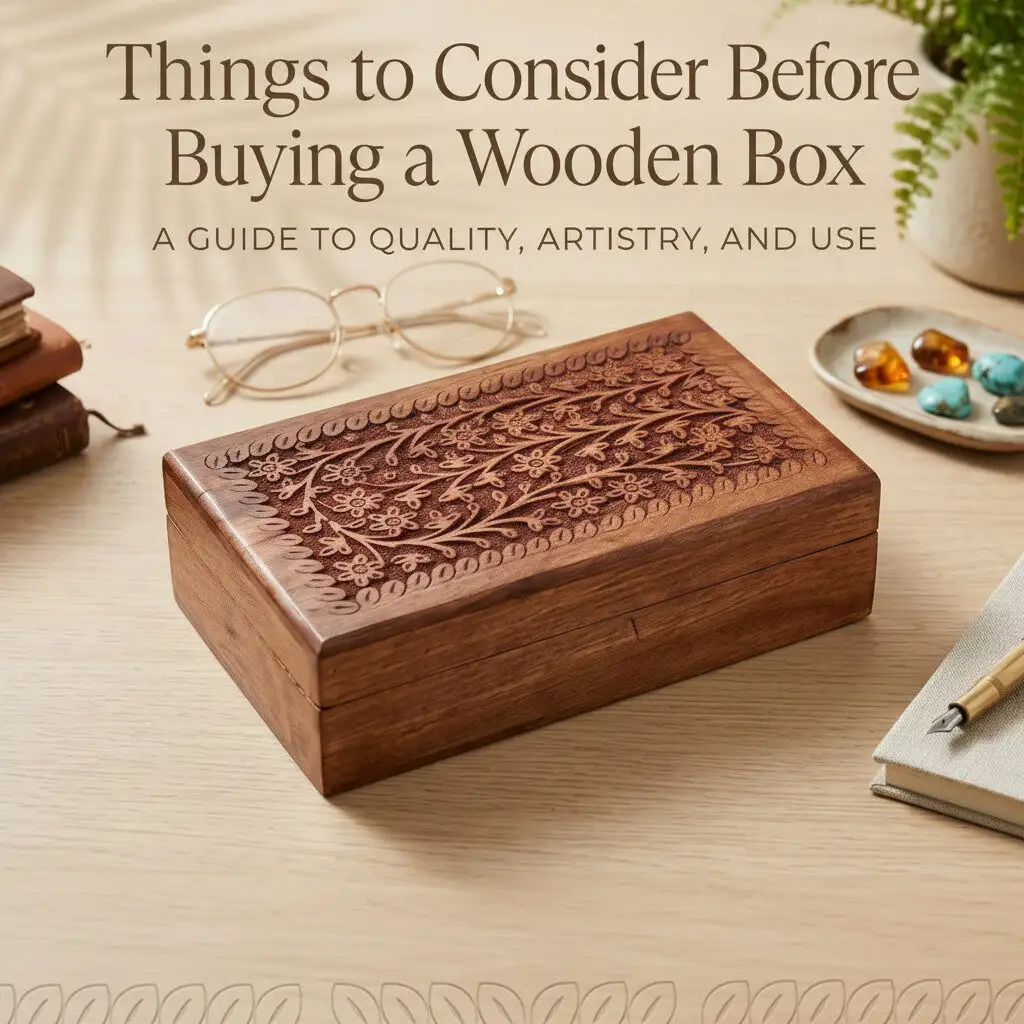
Things to Consider Before Buying a Wooden Box | India House Store Buying a wooden box may seem simple, but many homeowners in USA and India often make avoidable mistakes—choosing the wrong size, poor-quality wood that cracks, or a box that doesn’t fit their décor. This guide explains the things to consider before buying a wooden box, helping you select the perfect storage, decorative, or gifting solution for your home. At India House Store, we offer handcrafted wooden boxes, combining durability, traditional artistry, and practical design. Define the Purpose: Multi-Intent Guidance Before selecting a box, identify your intended use. Different needs require different features: For Home Decorators: Focus on patterns, finishes, and room aesthetics. Examples: decorative wooden box, rustic wooden box, wooden box with lid. Local Example: In Bengaluru, a handcrafted Sheesham box with traditional motifs pairs beautifully with contemporary living rooms. For Practical Organizers: Focus on size, durability, and stackability. Examples: wooden organizer box, wooden storage box, wooden keepsake box. Local Example: In Mumbai, compact Mango wood boxes are ideal for storing small kitchen items in apartments. For Businesses and Industrial Use: Focus on bulk storage, branding, and functional durability. Examples: wooden boxes for packaging, wholesale storage, or logo-printed designs. Tip: Clearly defining your purpose prevents wasted purchases and ensures long-term satisfaction. Choosing the Right Size: Wooden Box Size Guide Size is critical for usability. A box that is too small or too large can create inconvenience. Measure the placement area precisely. List items to store: jewellery, toys, stationery, keepsakes. Allow extra space for seasonal or future storage. Consider stackability; boxes with top and bottom trim boards can safely stack up to 15–20 kg total. Browse our Mango wood boxes and Sheesham storage boxes online for practical options. Selecting the Right Wood: Mango, Sheesham, Rubberwood Wood type affects durability, appearance, and maintenance. Wood Type Features Ideal Use Weight Capacity Mango Wood Lightweight, smooth finish, kiln-dried (8–12% moisture) Daily storage, decorative use 5–7 kg per box Sheesham Wood Dense, durable, naturally polished Heavier storage, heirloom keepsakes 10–12 kg per box Rubberwood Eco-friendly, light-use, sustainable Light storage, gifting 3–5 kg per box Wooden box quality check: Kiln-dried for moisture control. Strong hinges and joints. Smooth finish and polish. Easily repairable compared to plastic or cardboard. Durability: Wood vs Cardboard and Plastic Wood outperforms alternative materials in strength, moisture resistance, and longevity. Feature Wood Cardboard Plastic Weight Capacity Holds heavy items Tears under weight Moderate; cracks possible Moisture Resistance Stays sturdy Warps or softens Water-resistant but non-repairable Repairability Can be refinished or repaired Cannot repair Limited options Numeric Tip: For stacking, do not exceed 3 boxes in height unless reinforced with side trims. Decorative vs Functional Boxes Confusing aesthetics with functionality is common. Decorative Wooden Box: Focused on appearance; light storage for display. Functional Wooden Box: Prioritizes capacity, durability, and usability. Examples: Wooden Decorative Box for accessories, Wooden keepsake box for family mementos, Wooden organizer box for stationery or kitchen items. Pre-Purchase Checklist: Technical Specifications Before purchase, check these specifications: Lid Type: Hinged, removable, or sliding lids. Stackability: Top and bottom trims enable safe stacking. Finish Options: Natural, stained, polished, rustic. Accessibility: Gaps or transparent lids help identify contents. Customization: Logo-printing or engraving available for business orders. Repurposing Potential: Can be reused as planters, towel holders, or decorative storage. Sustainability and Eco-Friendly Guidance Modern buyers prioritize sustainability. Wood is renewable and decomposes naturally, unlike plastic. • Eco-Friendly Sourcing: Suppliers plant new trees for harvested wood. • Repurposing: Convert old boxes into planters or decorative storage. • End-of-Life: Wood naturally enriches soil as it decomposes. Consider our eco-friendly wooden boxes to support sustainable living. Before choosing, review Things to Consider Before Buying a Wooden Box. Matching Style and Home Interiors Choose a wooden box that complements your home: Match room colors, furniture style, and dimensions. Blend textures: Rustic wood pairs with cotton or linen. Local Example: In Chennai, a Sheesham wooden box with carved floral motifs enhances traditional living rooms. Weight & Practical Handling Maximum weight: 10–12 kg for Sheesham, 5–7 kg for Mango wood, 3–5 kg for Rubberwood. Daily use items: Lighter boxes for frequent opening. Stack heavy boxes at the bottom to prevent warping. Tip: Use reinforced bottoms for stacking multiple boxes in storage rooms. FAQs – Wooden Box Buying Guide 1. What is the best wooden storage box for USA and Indian homes? Mango wood for daily use, Sheesham for heavy storage, Rubberwood for eco-conscious buyers. 2. How do I check the quality of a wooden box? Kiln-dried wood (8–12% moisture), sturdy hinges, smooth finish and polish. 3. Should I buy decorative or functional boxes? Decorative for display; functional for storage. 4. Can I buy wooden boxes online safely? Yes, through India House Store with verified reviews, specifications, and secure checkout. 5. How do I choose the right size? Measure your space, list items, allow extra room, and consider stackability. 6. Can old wooden boxes be repurposed? Yes, as planters, towel storage, or decorative DIY projects. Why Trust India House Store Skilled artisans crafting handcrafted wooden boxes. Certifications: FSC, ISO 9001. Verified customer reviews. Clear contact info and responsive support. Browse our collections: Mango wood boxes | Handcrafted wooden jewellery boxes collection Things to Consider Before Buying a Wooden Box for Long-Term Value Considering all the things to consider before buying a wooden box ensures a purchase that combines durability, aesthetics, and utility. India House Store offers a wide variety of handcrafted, eco-friendly, durable wooden boxes—perfect for décor, gifting, or practical storage. Kiln-Dried Quality Structural stability with 8-12% moisture. Eco-Friendly 100% sustainable and renewable sourcing. Fast Delivery Secure shipping to India & USA. Shop Handcrafted Boxes Secure Checkout 4.9/5 Rating Easy Returns “Choose wisely and enjoy your wooden box for years to come.” Browse our related handmade collections. For more broader insights on this subject, you can explore related articles on Wikipedia.
How to Choose the Best Wooden Decorative Box
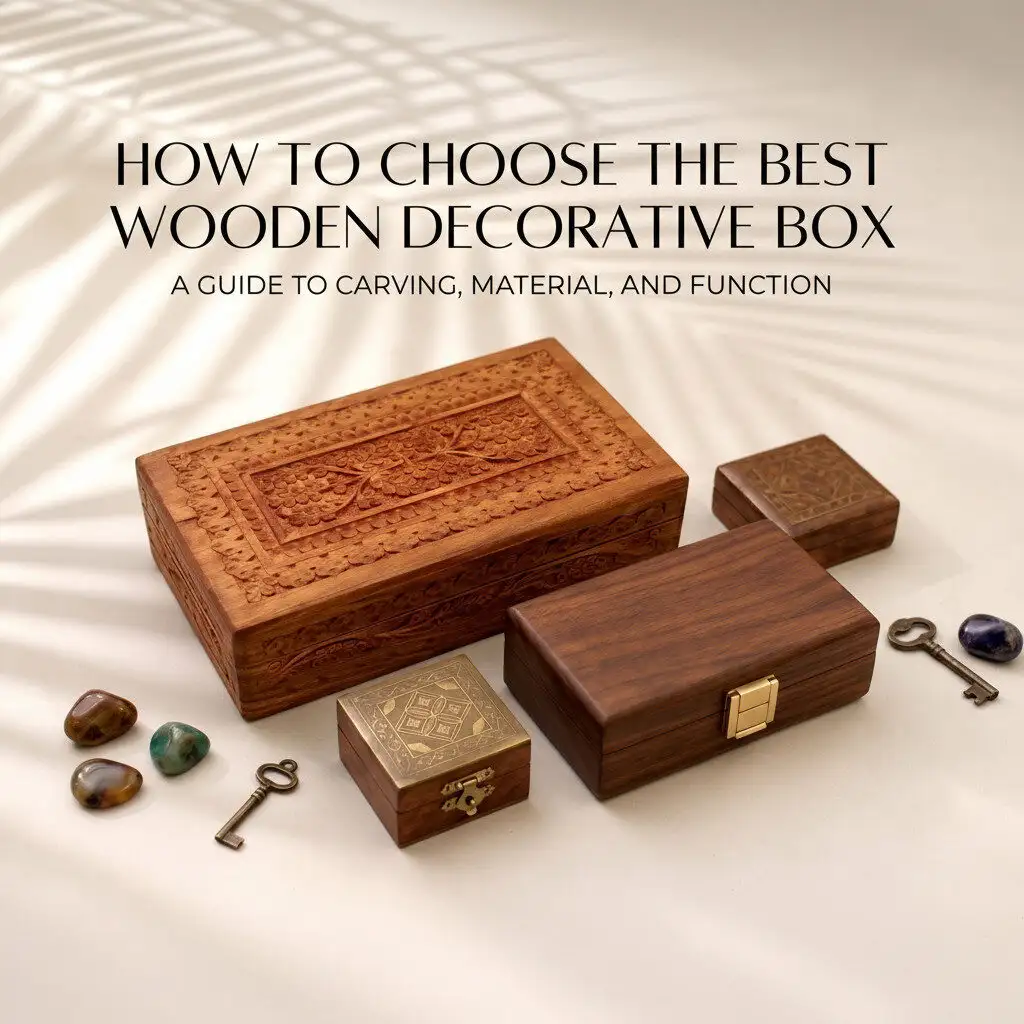
How to Choose the Best Wooden Decorative Box | India House Store Most people don’t fail because they bought the wrong wooden box. They fail because they trusted appearance over function. A wooden box may look solid in photos, but within a few months, real problems start showing—cracks along the edges, loose hinges, uneven lids, or simply a box that doesn’t fit your daily use. This is common in many homes where weather, space, and usage patterns are very different from what most generic guides assume. If you are trying to understand how to choose the best wooden decorative box, this page gives you a clear, experience-based approach. It focuses on how wooden boxes actually perform in real conditions—not just how they look. India House Store offers handcrafted wooden boxes that are selected for durability, usability, and long-term value. Why Choosing a Wooden Box Is Not a Simple Decision In cities like Bangalore, Chennai, or Mumbai, humidity levels change how wood behaves. In coastal areas, moisture absorption is higher. In dry regions, wood can shrink and crack. In apartments, storage space is limited, so a decorative storage box must be compact and functional. In independent homes, larger storage boxes are used but must handle weight and daily use. This is why learning how to choose the best wooden decorative box depends on where and how you plan to use it—not just what it looks like. A Real-Life Buying Scenario Most People Relate To A common situation: A buyer orders a mango wood box online because it looks clean and affordable. It arrives well-finished, but after 4–5 months, the lid starts misaligning, corners begin to loosen, and the polish fades slightly. Root Causes: • The wood was not properly dried • The panels were thin • The hinges were low quality Now compare that with a sheesham wood box used in the same home: Heavier structure, strong joints, and minimal wear even after daily use. This difference is exactly why understanding wood type for boxes is critical. Start With Purpose, Not Design Before you choose style or finish, define the use. If you need a wooden jewellery box, it should have compartments and smooth inner lining. If you need a wooden keepsake box, it should have a secure lid and stable structure. If your goal is visual appeal, then a wooden box for home décor must match your interior. Function first, design second: Avoid wasting money on a box that looks good but cannot store anything useful. Material Decides Lifespan (Not Price) Not all wooden boxes are equal. The type of wood changes everything: Sheesham wood box: Tends to last significantly longer than softwood options; can last 2–3 times longer under regular use. Mango wood box: Works well for décor and medium usage but may not handle heavy daily use over years. Lightweight woods (e.g. Paulownia): Easier to move but less durable. Moisture Reality (What Most Buyers Don’t Know) Wood should ideally have 8%–12% moisture content. Above this, wood expands and may develop fungus. Below this, wood becomes brittle and cracks. Kiln-dried wood reduces the chance of cracking by a large margin because excess moisture is removed before manufacturing. This is a key part of wooden box quality check, but most buyers never consider it. What You Cannot See in Product Photos Photos do not show build quality. When you receive a box, simple checks reveal everything: Stability Test: Press lightly on the side panels; weak boxes flex slightly. Hinge Test: Open and close the lid multiple times; poor hinges loosen quickly. Alignment Check: Check lids for gaps; uneven lids indicate poor construction. A good wooden box with lid should feel stable, not fragile. Also, if a box has a strong chemical smell, it usually indicates low-grade polish. Better products use safer finishing methods, especially in a Wooden Decorative Box designed for long-term use. Size Is Where Most Buyers Make Mistakes Instead of guessing, think in terms of usage: Size Category Recommended Usage Small Personal items like jewellery or keys Medium Documents, accessories Large Multi-purpose storage Choosing the right size is a key part of how to choose the best wooden decorative box, especially in urban homes where space matters. Function vs Appearance: What Actually Matters Daily For daily use, a box must open smoothly without effort, hold items without overcrowding, and stay stable even when moved frequently. A decorative storage box should serve a purpose every day. Wooden vs Plastic Storage (Real-World Perspective) Plastic storage develops cracks, warps under heat, and loses shape over time. Wooden boxes last much longer and can even be repaired. However, avoid constant outdoor exposure to rain for untreated wood. How Sellers Reduce Quality (And Why It Matters) Lower-cost boxes often cut corners in ways buyers don’t notice immediately: Thin panels instead of solid wood No proper drying process Low-cost hinges Fast finishing techniques These reduce cost but also reduce lifespan. Two boxes that look similar can perform very differently after a few months. 2026 Buying Behaviour Shift (Important Insight) In recent years, buyers from USA and India are changing how they approach storage: Moving away from plastic toward long-lasting materials Choosing compact storage for smaller homes Preferring products that combine storage and décor Increasing interest in handicraft boxes over factory-made items Storage is no longer just functional—it is part of how a home looks and feels. A Simple Way to Decide (Without Overthinking) • For long-term use choose a sheesham wood box • For decorative use choose a mango wood box • For gifting choose a compact, well-finished box • For daily storage avoid lightweight wood Care Matters More Than You Think Keep your box away from excess moisture. Clean it with a dry cloth. Avoid placing it in direct sunlight for long hours. Occasional polishing helps maintain finish. With minimal care, a good wooden keepsake box can last for years. Why Many Buyers End Up Replacing Their First Box Most people do not get it right on the first purchase. They choose
How Long Do Wooden Boxes Last? Full Guide
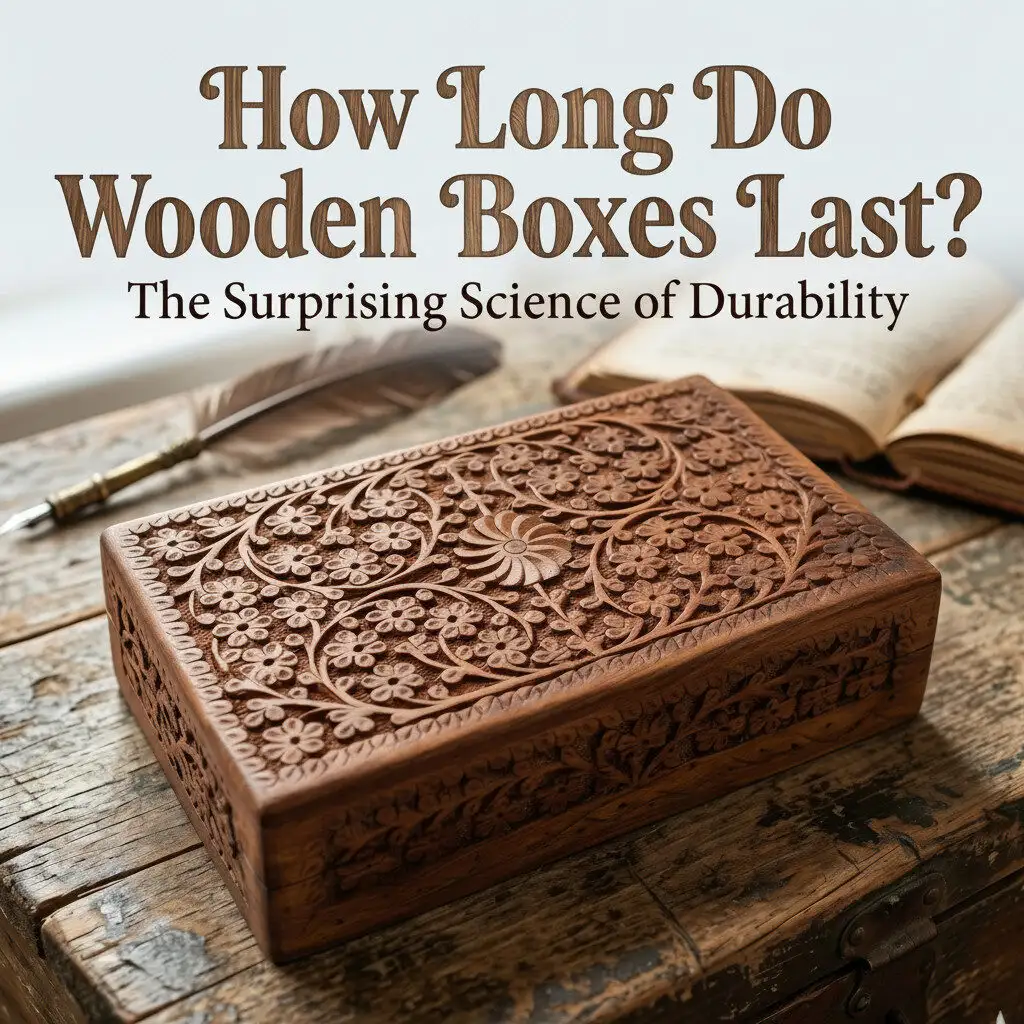
How Long Do Wooden Boxes Last | India House Store When people search How Long Do Wooden Boxes Last, they are usually trying to avoid one problem—buying a box that needs replacement within a year. Many buyers in India and USA have already faced this: a storage box that swells during monsoon, cracks within months, or becomes loose at the joints. So the real question is not just lifespan—it is how long a wooden storage unit will actually survive in your home conditions. Experience-Based Lifespan Answer: • Basic wooden boxes: 6 months to 2 years • Standard storage boxes: 3 to 7 years • Hardwood storage units: 10 to 25+ years • Well-maintained premium pieces: 20–30+ years These numbers reflect actual wooden box lifespan observed across many homes with different usage patterns and climate conditions. How Long Will a Wooden Box Last in Your Home? The lifespan of a wooden storage box is not fixed. It changes based on where and how you use it. A box kept inside a dry bedroom will naturally last longer than one placed in a storage area or near a balcony. In many homes, flooring and humidity also play a hidden role. Choosing quality products from India House Store helps ensure better durability across different home conditions. For example, when a wooden container is placed directly on tiles, it slowly absorbs moisture trapped underneath. This is one of the most common reasons boxes weaken faster than expected. Indoor bedroom use: often gives 10–20 years of life Living room storage: gives around 8–15 years Kitchen usage: reduces it to 5–10 years due to heat and moisture Balcony or storage room: can bring it down to 3–7 years This is why wooden box durability varies so much from one home to another. Which Wooden Boxes Actually Last the Longest? Not all wood behaves the same. The type of material used plays the biggest role in durability. Material Durability Breakdown: Sheesham wood, also known as USA Rosewood, is one of the most reliable choices for long-term use. It is dense, strong, and naturally resistant to wear. A well-built box made from this material can last 15 to 25 years or more, making it ideal for heavy storage. Mango wood is more commonly used because it is affordable and widely available. Its lifespan usually falls between 5 to 10 years, but this depends heavily on finishing and maintenance. Without proper sealing, it can absorb moisture quickly. Softer or engineered wood options may look similar but do not offer the same strength. These are better suited for light or decorative use and usually last 2 to 5 years. If your goal is a long lasting wooden storage box, hardwood remains the most reliable option. Why Some Wooden Boxes Fail Within Months Many people question how durable are wooden boxes after a poor experience. In most cases, the problem is not the wood—it is the quality. Boxes that fail early usually have weak joints, thin panels, or no protective coating. Glue-only construction is another major issue, as it does not hold up under weight or humidity. Another overlooked factor is overloading. Even a good-quality storage unit can weaken if it is used beyond its capacity regularly. So when a box breaks within a year, it is rarely because “wood doesn’t last”—it is because the product was not built for long-term use. What We Have Seen in Real Customer Use Based on consistent observations across many households: Most damage happens during monsoon, not summer Hinges and joints loosen before the wood itself wears out Boxes used daily show wear much faster than occasional-use pieces Direct floor contact increases the risk of moisture damage These patterns are seen repeatedly and directly affect wooden box durability in real-life usage. Construction Quality Makes a Big Difference The way a box is built is just as important as the material. Traditional joinery methods used in many handicraft wooden boxes provide stronger structural support compared to basic machine assembly. This is why handcrafted wooden box durability is often higher. A well-constructed box will have balanced alignment, strong joints, and a lid that fits properly without gaps. These details may seem small, but they directly impact how long the box will last. The Role of Finishing in Long-Term Durability Finishing is what protects the wood from environmental damage. A properly finished surface prevents moisture absorption, reduces surface cracks, and slows down pest-related issues. This is why wooden box finishing and durability are closely linked. Common finishes used in USA include lacquer coatings, natural oil polishing, and protective sealants. Without these, even high-quality wood can degrade faster than expected. Wooden Box vs Plastic – Which Lasts Longer? Many buyers compare wood with plastic before making a decision. Plastic storage may handle water exposure better, but it tends to become brittle over time and cannot be repaired once damaged. Wood, on the other hand, offers longer usable life when maintained properly. A solid Wooden Decorative Box can last decades and can be repaired if needed, which makes it a more sustainable and long-term option. Understanding Lifespan vs Price A higher price does not always mean better durability, but extremely low-cost products often compromise on material and construction. In practical terms, spending slightly more on a well-built storage box reduces the need for replacement. Over time, this results in better value and less inconvenience. This is why many buyers shift towards eco friendly wooden storage, which offers longer use instead of frequent replacement. Simple Maintenance That Extends Lifespan Most durability problems can be avoided with basic care. Keeping the box away from direct moisture, avoiding floor contact, and cleaning it regularly can make a noticeable difference. Occasional polishing or oiling helps maintain the surface and prevents drying or cracking. Small habits like these can improve wooden box care for longer life and increase lifespan by 30 to 50 percent in many cases. Visual Understanding – Where Wooden Boxes Fail Think of a wooden storage box as being most vulnerable
Do Wooden Boxes Attract Termites? What to Know

Do Wooden Boxes Attract Termites? | India House Store Key Takeaways Do Wooden Boxes Attract Termites? No, wooden boxes do not attract termites on their own. Termites are drawn to cellulose, moisture, and access to wood, not the box itself. A sealed wooden box kept in a dry area has low risk. Poor storage conditions and untreated wood increase termite problems. Do Wooden Boxes Attract Termites? Wooden boxes do not attract termites by themselves. Termites are attracted to: Cellulose (found in wood, paper, cardboard) Moisture Easy access from soil or walls If these three conditions are not present, even a wooden storage box will remain safe for long-term use. Beyond Wood: Why Cellulose Matters To understand termite risk properly, you must understand cellulose. Cellulose is a natural component found in wood, paper, cardboard, and plant-based materials. Choosing well-treated and quality products from India House Store can help reduce such risks with better finishing and material selection. Termites feed on cellulose, but they cannot digest it directly. They rely on microorganisms in their gut to break it down. This process requires moisture. This leads to an important fact: • Dry, sealed wood = Low risk • Damp cardboard or untreated wood = High risk This is why cardboard is often more vulnerable than wooden boxes, even though both contain cellulose. The Ground-to-Wood Rule (Most Important Risk Factor) One of the biggest causes of termite damage in many homes is: Direct or indirect contact between wood and soil. This creates a path for termites to move from the ground into wooden items. High-risk situations: Wooden boxes placed directly on the floor Storage touching damp walls Boxes kept in ground-floor rooms or basements Wooden items near garden soil Even a high-quality wooden box for home can develop issues if this rule is ignored. Moisture – The Real Trigger Behind Termites Termites need moisture to survive and digest cellulose. In various conditions, moisture problems are common due to Monsoon season, humid climate, and poor ventilation. Choosing a Wooden Decorative Box with proper finishing can help reduce moisture absorption and related risks. Common mistakes: Keeping wooden boxes near wet areas Storing damp clothes or items inside Ignoring small leaks or wall dampness A sealed wooden box or lacquered wooden box helps reduce moisture absorption and improves resistance. Do Wooden Boxes Get Termites Easily? No. Most well-made wooden boxes do not get termites easily. Risk depends on: 1. Wood Type Mango wood termite resistance: Moderate, needs proper finishing Sheesham wood termite resistance: Strong due to dense grain and natural oils 2. Treatment Kiln-dried wood reduces internal moisture Treated wood resists pests better 3. Finish Smooth, sealed surfaces block entry points Polishing improves durability Comparison: Which Storage Material Is Safer? Material Termite Risk Reason Cardboard boxes High Loose cellulose + absorbs moisture quickly Untreated wooden boxes Medium to High Absorbs moisture, no protection Sealed wooden box Low Protected surface, less moisture entry Cardboard Storage RiskHigh WhyAbsorbs moisture and attracts pests quickly Sealed Wooden Storage RiskLow WhyProtected surface blocks entry points This clearly shows why pest proof wooden storage depends on quality, not just material. Top 5 Mistakes That Lead to Termite Damage In many homes, termite problems are caused by usage mistakes: Keeping Wooden Boxes Directly on the Floor: Creates easy access for termites. Storing in Damp Areas: Increases moisture, which attracts termites. Buying Untreated Wooden Boxes: Low-cost options often skip proper processing. Ignoring Early Warning Signs: Powder dust, hollow wood, or small holes. Using Cardboard Storage Nearby: Cardboard attracts termites faster and spreads infestation. Climate Risk – What You Should Know Termite risk is not the same across all countries. Mysore & Bangalore Moderate humidity. Risk increases during monsoon. Apartments are safer than ground-floor homes. Coastal Areas High humidity leads to higher termite activity. Independent houses have higher exposure due to soil contact. Termite Risk Score (Simple Decision Framework) You can estimate risk using three factors: Moisture level, Wood treatment, and Ground contact. Low Risk: Dry room + sealed wood + no ground contact High Risk: Damp room + untreated wood + floor contact How to Protect Wooden Boxes from Termites To ensure long lasting wooden boxes, follow these steps: Keep the Area Dry: Avoid moisture buildup and fix leaks quickly. Elevate the Box: Use stands or mats to maintain floor clearance. Use Natural Repellents: Neem leaves, Camphor, or Clove oil. Regular Inspection: Check corners and joints for dust or small holes. Apply Protective Coating: Polish or lacquer improves durability. Wooden Box Treatment – What to Check Before Buying Before buying a wooden storage box, check: Is the wood kiln-dried? Is it sealed or lacquered? Are joints tight and well-finished? Has any anti-termite treatment been done? Signs of Termite Activity (Early Detection) Mud tubes near walls or floors Powder-like residue Hollow sound when tapped Discarded wings The 20-Foot Storage Rule For unused wooden items: Keep them away from walls and soil-heavy areas; avoid stacking near foundations. This reduces termite movement toward your home. Are Handcrafted Wooden Boxes Safe? Handicraft wooden boxes are strong and durable when made correctly. Their safety depends on Wood quality, Drying process, Surface finishing, and Storage conditions. How to Maintain Wooden Boxes • Monthly: Clean dust and inspect joints. • Seasonal: Air out during monsoon and reapply polish. • Daily: Avoid wet items and don’t overload. • Placement: Keep away from damp walls and direct sunlight. Trust & Quality Commitment India House Store focuses on properly finished wooden storage boxes with strong construction for daily use. Thousands of customers prefer wooden storage for long-term use when basic care is followed. For more clarity, read Do Wooden Boxes Attract Termites? What to Know. FAQ – Do Wooden Boxes Attract Termites Do wooden boxes get termites easily? No. Only untreated wood in damp conditions is at risk. Which wood is best for termite resistance? Sheesham wood performs better due to its dense structure. Is cardboard safer than wooden boxes? No. Cardboard is more vulnerable due to loose cellulose. How to maintain wooden boxes?
Wooden Tea Box vs Plastic Tea Box: Which Better?
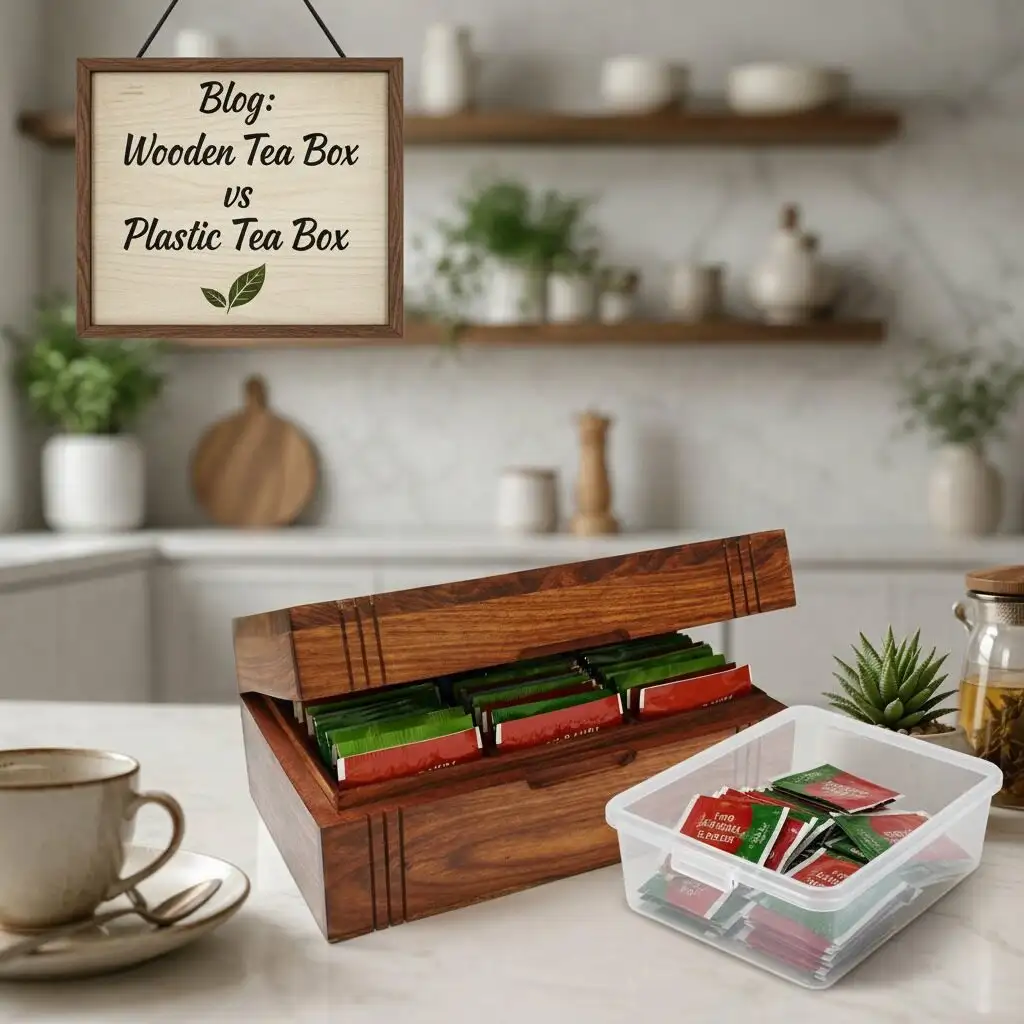
Wooden Tea Box vs Plastic Tea Box | India House Store Tea is a daily ritual in Indian households, from steaming cups of Assam tea in Mumbai apartments to refreshing green tea in Bangalore’s humid homes. Choosing the right storage—wooden tea box vs plastic tea box—is essential to maintain flavor, aroma, and hygiene. The wrong container can degrade taste, absorb odors, or fail to protect your tea in India’s varying climates. Let’s dive deep into are wooden tea storage boxes better than plastic uk and explore why it matters for your home and lifestyle. At India House Store, we specialize in handcrafted, durable wooden tea boxes designed to preserve tea quality while complementing Indian kitchen aesthetics. Why Tea Storage is Critical Tea quality depends on five major factors: Light: Breaks down delicate polyphenols and catechins in tea. Air: Accelerates oxidation, reducing flavor and aroma by up to 40% over 6 months. Moisture: Humidity above 60% (typical in Mumbai monsoon) can make tea soggy. Heat: High temperatures (like Chennai summer kitchens >35°C) degrade antioxidants. Odor: Tea absorbs strong kitchen smells, especially in apartments with mixed cooking. Proper storage addresses these issues, and material choice directly impacts tea longevity. Wooden Tea Box vs Plastic Tea Box: Comparative Table Feature Wooden Tea Box Plastic Tea Box City-Specific Advice Material Sheesham, mango, or teak; breathable and insulating Polypropylene or low-grade plastic; lightweight Mumbai monsoon → prefer airtight wood; Chennai heat → keep wooden box away from stove; Bangalore humidity → sealed wooden box works best Durability 5–10 years; resistant to warping 1–3 years; prone to cracking & discoloration Mumbai → plastic may warp; Bangalore → moisture affects plastic integrity Flavor Preservation Retains aroma; blocks light & humidity May leach chemicals or absorb odors Delhi → dry winters → minimal difference; humid cities → wood superior Hygiene Smooth, easy to clean; resists bacterial growth Scratches trap bacteria; difficult to clean Kitchens with high cooking activity → wood is safer Aesthetics Handcrafted, elegant; complements décor Often inexpensive, basic design Indian kitchens favor wooden tea chest for style Environmental Impact Biodegradable, sustainable Non-recyclable, contributes to plastic waste Eco-conscious households → choose wood Price (INR) ₹1,200 – ₹3,500 ₹300 – ₹1,200 Consider investment vs replacement cost Wooden Tea Box (Premium) MaterialSheesham, Mango, or Teak Durability5–10 years Price₹1,200 – ₹3,500 Plastic Tea Box (Basic) MaterialPolypropylene Durability1–3 years Price₹300 – ₹1,200 Key Insight: In humid or high-heat Indian cities, wooden tea boxes outperform plastic for both durability and tea preservation. How Material Affects Tea Quality Wooden Tea Boxes: Natural insulation reduces temperature swings. Blocks UV light and slows oxidation of polyphenols and catechins. Airtight lids prevent moisture penetration, preserving aroma for 12–18 months. Plastic Tea Boxes: Low-cost options may allow chemical migration, affecting taste over months. Absorb odors and flavors from other foods. Can crack in extreme heat or humidity. Data Point: Studies show tea stored in untreated plastic may lose 15–25% aroma over 6 months in humid conditions, while using a Wooden Tea Storage Box can reduce this loss to under 5%. Advantages of Wooden Tea Boxes Durable & Long-Lasting: Resistant to warping; ideal for daily Indian kitchen use. Flavor & Aroma Preservation: Keeps polyphenols and catechins intact. Hygienic Surface: Smooth finish reduces bacterial growth. Aesthetic Value: Artisan-crafted, complements traditional and modern kitchens. Eco-Friendly: Biodegradable and sourced sustainably from Indian forests. Hybrid Storage Friendly: Can store pre-sealed tea pouches in compartments for added freshness. “Each wooden tea box is hand-finished in Jaipur to preserve tea aroma while highlighting natural wood grains,” – Rohit Sharma, India House Store craftsman. Disadvantages of Plastic Tea Boxes Durability Issues: Breaks or warps under Indian summer heat or monsoon humidity. Flavor Compromise: Low-grade plastics may impart taste or odor. Hygiene Concerns: Scratches trap moisture, leading to mold. Environmental Cost: Non-recyclable, short lifespan, adds to plastic pollution. Visual Appeal: Limited style, often looks cheap in Indian kitchens. Alternative Materials Metal Tins: Durable and airtight, suitable for bulk storage; may alter flavor if unlined. Glass Containers with Silicone Seals: Hygienic and transparent; fragile in Indian kitchens. Hybrid Storage: Sealed tea pouches inside a wooden tea box combines flavor preservation and convenience. Hyper-Local Storage Tips Mumbai Monsoon: Keep wooden boxes elevated, airtight lids preferred; avoid plastic prone to warping. Chennai Summer: Store away from stoves or sun-exposed counters; wooden boxes prevent heat-induced flavor loss. Bangalore Humidity: Use sealed wooden boxes or compartmentalized wooden tea chests; plastic may swell. Delhi Winters: Lower humidity reduces tea deterioration; both wood and plastic acceptable, though wood adds aesthetics. Scientific Insights Tea contains antioxidants such as catechins and polyphenols. Exposure to light, heat, and moisture degrades these compounds: Oxidation Rate in Plastic: ~20% in 3 months at 65% humidity. Oxidation Rate in Wood: ~5% in same conditions. Wood acts as a natural barrier against environmental stressors, maintaining nutritional and flavor quality. For a detailed comparison, see Wooden Tea Box vs Plastic Tea Box: Which Better?. Wooden Tea Box Care Tips Wipe with dry or slightly damp cloth; avoid chemicals. Keep away from sunlight and wet areas. Apply food-safe oil once every 3–6 months for luster. Use hybrid storage with pouches for high-humidity climates. Visual & UX Suggestions Comparison Diagrams: Illustrate wooden vs plastic boxes with icons for moisture, light, heat, and odor protection. Product Images: Show wooden tea box with lid, compartments, and hybrid storage options. Infographics: Seasonal storage guidance (monsoon vs summer vs winter). FAQ Section Q1: Which is better in Mumbai monsoon—wood or plastic? A: Airtight wooden boxes prevent warping and protect aroma, outperforming plastic. Q2: Can plastic tea boxes affect catechin levels? A: Low-quality plastics may accelerate oxidation, reducing antioxidant content by up to 20% in humid climates. Q3: How to clean wooden tea boxes? A: Dry cloth wiping is sufficient; avoid detergents and sunlight. Q4: Can I store tea pouches in wooden boxes? A: Yes, hybrid storage retains flavor and eases organization. Q5: Are wooden tea boxes sustainable? A: Yes. Biodegradable, eco-friendly, and sourced from certified Indian forests. Q6: How long does a wooden tea box last
Wooden Tea Box for Gifting: A Practical Choice
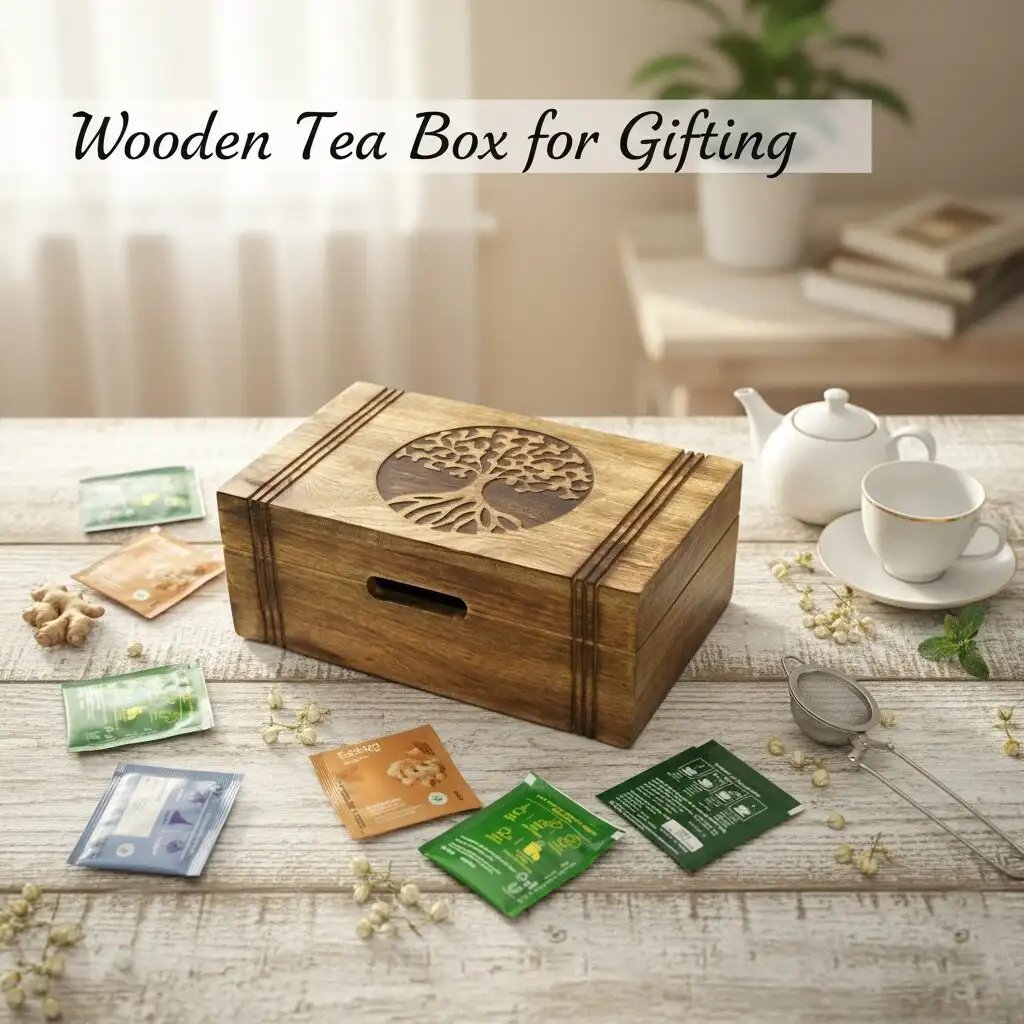
Wooden Tea Box for Gifting | India House Store Choosing a gift in India and the United States often comes down to one question: will the person actually use it? Many gifts look impressive when opened but slowly move to the back of a cupboard. This is a common problem across cities like Bangalore, Mumbai, Delhi, New York, Los Angeles, and Chicago, as well as in smaller towns. People want something that looks good, but more importantly, something that becomes part of daily life. A Wooden Tea Box for Gifting solves this problem in a simple and practical way. It is not just a present—it becomes a daily-use item in most homes. Why Many Gifts Are Forgotten After Giving If you look at typical gifting patterns, there are a few clear issues. Most gifts are: Decorative but not useful Repeated across occasions Used once and ignored Chosen without knowing daily habits Tea Consumption – Why This Gift Works India and the United States are among the largest tea-consuming countries in the world. Tea is enjoyed by people of all age groups and regions, from morning tea to evening servings with guests. Quality storage solutions from India House Store help maintain freshness and enhance the overall tea experience. While exact numbers vary by source, it is widely accepted that: Tea is consumed daily in most households Many homes prepare tea at least twice a day Storage of tea bags and loose tea is a common need Because of this, a wooden tea gift box is not a random item—it directly fits into an existing habit. This makes it one of the most practical meaningful tea gift ideas. What Makes a Wooden Tea Box for Gifting Different A Wooden Tea Box for Gifting works because it combines three important factors: 1. Daily Use Unlike showpieces, it is used every day. In many homes, it stays near the stove or dining table. 2. Organized Storage It helps keep tea bags, loose tea, and small items in one place. This is useful in both large and small kitchens. 3. Presentable Design Wood naturally gives a premium look without increasing cost. This balance is why a premium wooden tea box gift is preferred over many common gifting items. Real-Life Gifting Scenarios To understand its value, look at how people actually use it: • In Bangalore / New York apartments, working professionals keep tea boxes for quick use during busy mornings • In Mumbai / Miami homes, closed-lid tea boxes help protect tea from moisture • In North India / Northern USA regions, tea boxes are often used more during colder months when tea use increases • In family homes across India and the United States, guests are served tea often, and organized storage makes a difference A wooden tea box gift for tea lovers fits naturally into all these situations. How to Choose the Right Wooden Tea Box for Gifting Many buyers feel confused when selecting the right option. Here is a clear decision guide: Based on Compartments 2 Compartments: Basic use, limited storage 4 Compartments: Suitable for most households 6 Compartments or more: Best for variety and gifting sets A wooden tea gift set India with 4–6 sections is usually the safest choice. Based on Size Small: For individual use Medium: For families (most preferred) Large: For gifting sets or bulk storage In most cases, a medium-sized Wooden Tea Box for Gifting works well. Based on Usage Type Daily kitchen use → Compact, easy access Gifting purpose → Balanced design and finish Storage focus → Larger tea chest A wooden tea chest gift is suitable if you want more storage space. Common Gifting Mistakes People Make Many buyers make similar mistakes. They: Choose gifts based only on looks Ignore daily usability Buy items already owned by the recipient Spend more without adding value A Wooden Tea Storage Box for gifting avoids these problems because it is both useful and simple. Why Wooden Tea Box Gifts Are Becoming Popular in 2025–2026 Recent gifting trends in India and the United States show clear shifts: More people prefer useful gifts over decorative ones Eco-friendly products are gaining attention Storage and organization products are becoming common Minimalist gifting is increasing, especially in urban areas An eco-friendly tea gift made from wood fits all these trends. A Handicraft tea gift box also connects with traditional craftsmanship, which many buyers value today. What Buyers Actually Look For Based on general buyer behavior, people usually check: Easy-to-open lid Smooth finish Strong hinges Enough compartments Compact design A wooden tea box with lid gift is often preferred because it protects tea from dust and moisture. When buying a wooden tea box online, these factors become easier to compare. Suitable for Every Occasion A Wooden Tea Box for Gifting works across multiple events without needing major changes: • Festivals: A wooden tea box for Diwali gift matches traditional gifting • Birthdays: A wooden tea box for birthday gift is simple and useful • Housewarming: A wooden tea box for housewarming gift fits into new kitchens • Weddings: A wooden tea box for wedding gift adds practical value • Corporate: A corporate wooden tea gift box balances cost and presentation This flexibility reduces the need to search for different gifts every time. Comparison: Wooden Tea Box vs Common Gifts Most people choose between common options like dry fruits, decor items, or kitchen products. Here’s a simple comparison: Dry fruit boxes → Consumed once Decorative items → Often unused Kitchen appliances → Expensive and risky choice Storage gifts → Used daily A Wooden Tea Box for Gifting falls into the last category, making it a more reliable option. Durability and Long-Term Value A Wooden Tea Box for Gifting lasts longer than most gift items. It: Does not break easily Does not go out of use Requires minimal maintenance A handcrafted wooden tea box gift also adds a natural feel that plastic or glass cannot match. Why Buyers Prefer India House Store India House Store
Wooden Gift Box Ideas for Weddings
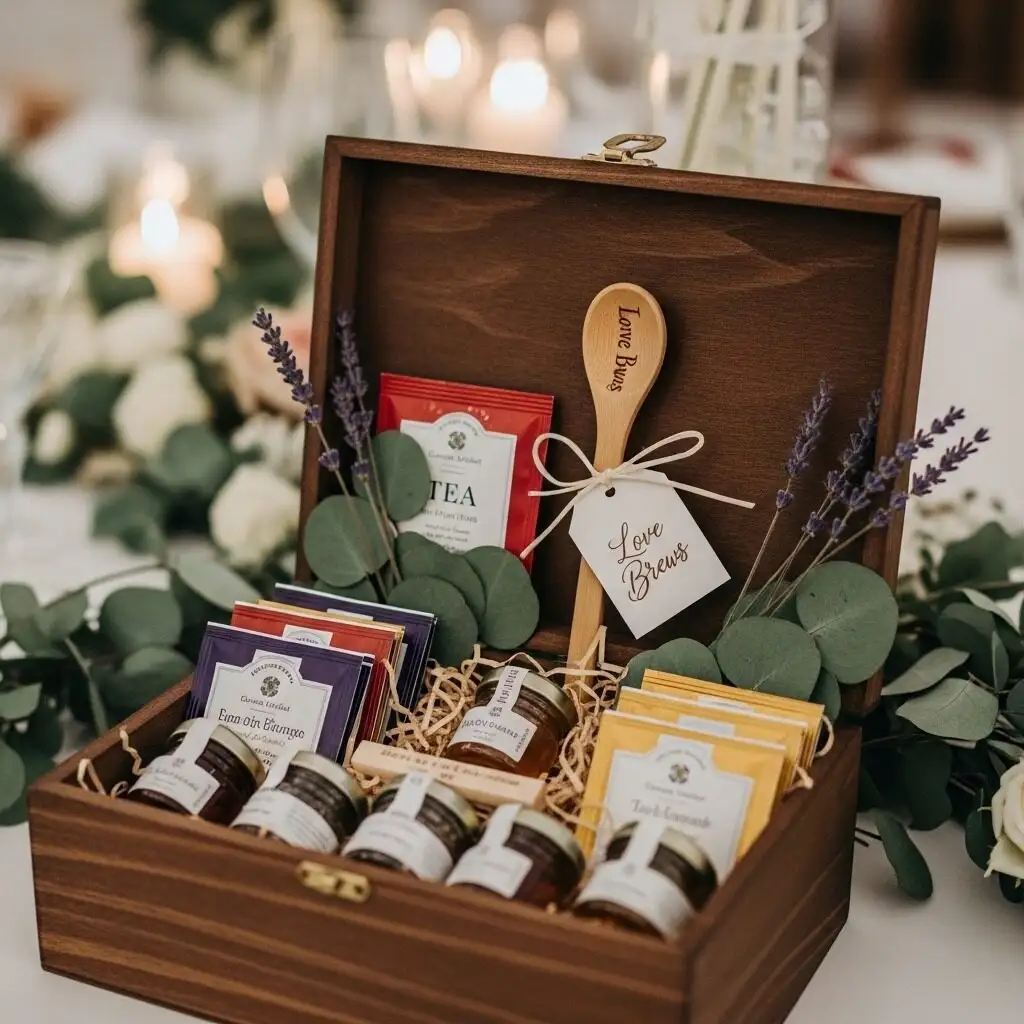
Wooden Gift Box Ideas for Weddings | India House Store In many weddings across cities like Mumbai, Delhi, New York, and Los Angeles, one problem repeats itself—gifts are given, but not remembered. Couples often receive similar items, many of which are either stored away or passed on. Even when the intention is good, the impact is low. This happens for two main reasons. First, the gift itself feels common. Second, the presentation does not add any value. A well-chosen item packed in simple wrapping often loses its importance during a large wedding function. This is where Wooden Gift Box Ideas for Weddings offer a clear advantage. Instead of focusing only on the gift, they improve how the gift is experienced. The box becomes part of the overall value, not just a container. India House Store focuses on wooden gifting solutions that are designed for real wedding use, where presentation, practicality, and long-term use all matter. Why Some Wedding Gifts Are Remembered While Others Are Forgotten Not all gifts are treated the same, even if their price is similar. In Indian weddings, what matters is not just what you give, but how it is perceived during and after the event. A gift that looks complete, well-arranged, and easy to reuse is more likely to be remembered. A gift that looks rushed or generic often gets ignored, even if it is expensive. This is where a wooden wedding gift box changes the outcome. It improves: Perceived value – the same items look more premium inside a structured box Recall value – the box remains in the couple’s home long after the wedding Ceremony visibility – wooden boxes look better on stage, in photos, and on gift tables In many cases, people remember the box even more than what was inside it. Where Wooden Gift Boxes Fit ? Across different regions and wedding styles, wooden boxes are used in multiple ways. In North Indian weddings, they are often part of family gift exchanges and return gifts during large functions. In South Indian weddings, they are commonly used for wedding trousseau, where jewelry, and essentials are packed for the bride. In the United States, especially in the Northeast and Southern regions, they are used for wedding gifting, keepsakes, and organizing personal items for the couple. In urban weddings, there is a shift towards compact and reusable gifting. In tier-2 cities, bulk gifting still plays a major role, especially for guest return gifts. A wooden box wedding favour works well in both cases because it is durable and presentable. Wooden Gift Box Ideas for Weddings – What Actually Works Instead of random combinations, the most effective gifts follow simple logic — they are easy to use, easy to present, and easy to remember. A wooden gift hamper wedding often includes dry fruits and sweets because they are safe choices for large gatherings. These are commonly prepared in batches of 50 to 200 boxes for guest distribution. For closer relationships, a wooden box for bride and groom usually contains personal items such as accessories, small valuables, or a message. These boxes are not just opened once; they are stored and reused. Utility-based gifting is also increasing. A wooden gift set with kitchen items like cutting boards or serving tools is more likely to be used regularly. Including a Wooden Tea Storage Box further enhances practicality, increasing the lifespan of the gift. For emotional value, a wooden keepsake box for wedding with photos or letters creates a different impact. These are often kept for years, making them one of the few gifts that hold long-term meaning. Wooden Gift Box vs Regular Wedding Gifts Factor Wooden Gift Box Regular Gifts Long-term use Continues to be used Often stored away Presentation Structured and visible Depends on wrapping Memory value High Low Reusability Yes Rare Wooden Gift Box LongevityContinues to be used in daily life ImpactHigh memory value and structured presentation Regular Gifts LongevityOften stored away or forgotten ImpactLow memory value, wrapping dependent This difference becomes more visible after the wedding, when most regular gifts lose relevance. How to Choose the Right Wooden Gift Box for Weddings The right choice depends on the purpose of gifting, not just the budget. Budget Gifting: For smaller budgets, a compact wooden box online with basic items is enough. Family Gifting: For family gifting, a personalised wooden gift box wedding adds emotional value without making the gift complicated. Bulk Gifting: Bulk gifting requires consistency. In such cases, a wooden box wedding favour works better because it is easy to prepare in large quantities. Premium Gifting: For premium gifting, larger boxes such as a wooden keepsake box for wedding or trousseau boxes are more suitable. Budget Reality of Wooden Gift Box Ideas for Weddings There is a common assumption that wooden gifting is expensive, but actual usage shows otherwise. Return Gifts: Small boxes used for return gifts typically fall in the ₹200–₹500 range. Mid-Range: Mid-range options with better finishing usually fall between ₹500–₹1500. Premium: Larger boxes used for trousseau or premium gifting go beyond ₹1500 depending on size and design. In most cases, the cost difference comes from what is placed inside the box, not the box itself. Current Wedding Gifting Shift Recent buying patterns show a clear shift in how people approach wedding gifts. There is growing demand for eco friendly wedding gift options, especially in urban weddings. People prefer gifts that are reusable instead of disposable packaging. There is also an increase in personalised wooden gift box wedding choices, where simple additions like names or dates make the gift more meaningful. Another noticeable change is the focus on compact and practical gifting instead of large decorative items that take up space. Common Mistakes That Reduce Gift Value Choosing the wrong box size (too small looks incomplete, overfilled looks cluttered). Ignoring build quality, which reduces long-term usability. Not matching the box with the wedding setting. Why India House Store Wooden Gift Boxes Work Better India House Store focuses on real usage instead of