

Are Tea Boxes Airtight
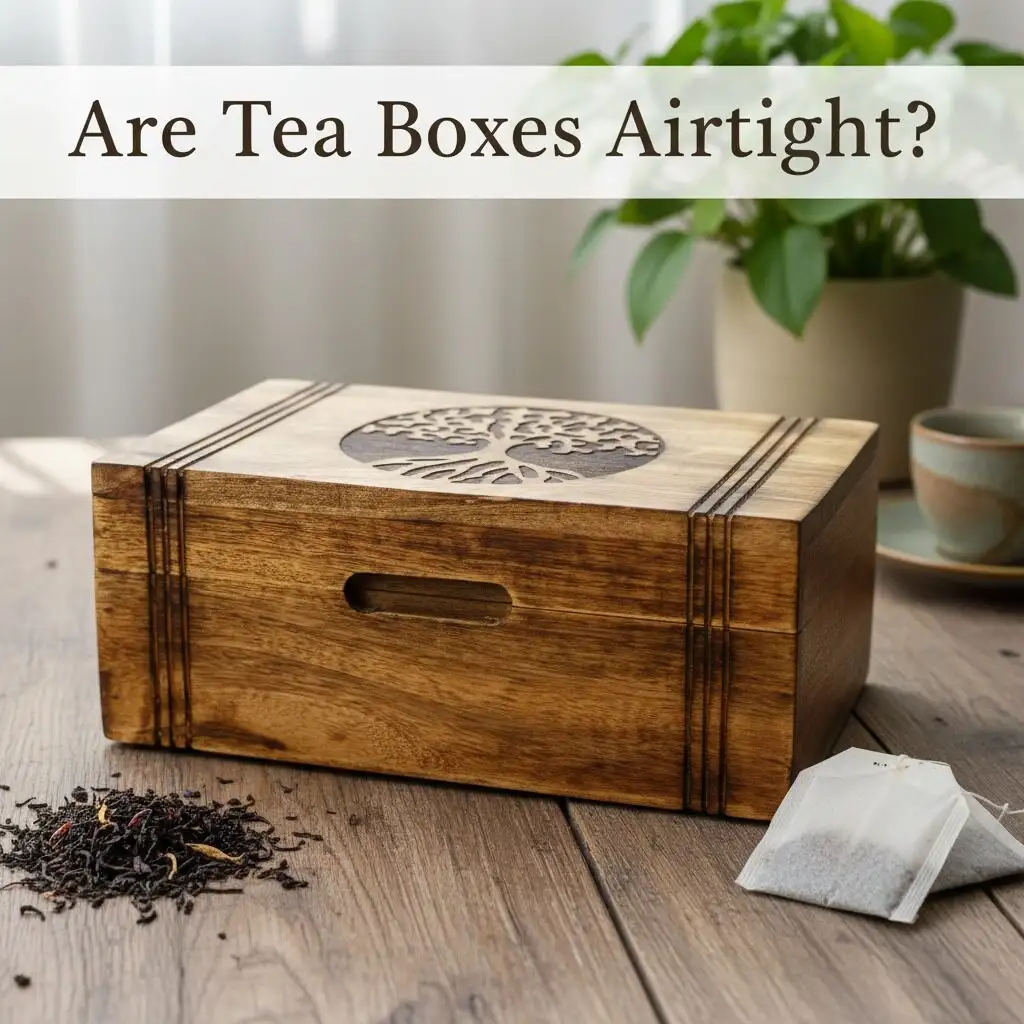
Are Tea Boxes Airtight? | India House Store Tea lovers across India and the United States often ask: “Are tea boxes airtight?” The answer is critical for anyone who values freshness, flavor, and aroma. Improper storage can quickly affect tea quality—whether it’s due to humidity in coastal regions like Mumbai or Miami, or dry indoor conditions in cities like Delhi or Phoenix. At India House Store, we focus on practical, tested storage solutions that help preserve tea freshness in different environments, while still reflecting the craftsmanship and tradition associated with wooden tea boxes. Direct Answer: Are Tea Boxes Airtight? Not all tea boxes are airtight. Standard retail packaging, such as paper or cardboard tea pouches, cannot protect tea from air, light, moisture, heat, and odor—the main enemies of freshness. To truly preserve tea quality, you need a sealed tea container, such as a wooden tea box with silicone lid, a metal tea chest with seal, or other airtight storage for tea bags tested for effectiveness. How Air Exposure Affects Tea Tea leaves are delicate. Air contact triggers oxidation, leading to: Dull flavor Loss of aroma Color changes Reduced shelf life Even brief exposure to humid coastal air (Mumbai, Chennai) or dry northern climates (Delhi, Jaipur) accelerates these effects. Our Wooden Tea Box with a tea storage container with seal design protects tea in both humid and dry environments, tested across multiple USA kitchens. Regional Storage Guidance for Kitchens Humidity and kitchen airflow vary widely across India and the USA, influencing tea storage strategies: Coastal & High Humidity (e.g., Mumbai, Chennai, Miami) Use a wooden tea box with a well-fitted lid or inner lining to reduce moisture exposure. Keep it away from stoves, sinks, or damp areas to maintain tea freshness. Moderate Climate (e.g., Bangalore, San Diego) A standard wooden tea box with compartments works well for organizing multiple tea types. It keeps different flavors separated and easy to access. Dry & Hot Conditions (e.g., Delhi, Jaipur, Phoenix) Use a wooden tea box with a secure lid to prevent tea from drying out or losing aroma. Store it away from direct sunlight and heat sources. Types of Airtight Tea Storage Boxes Material Airtight Capability Best Use Durability Notes Wood (with lining/seal) Moderate to High Loose leaf, sachets, flavored teas 5+ years Maintains freshness; natural organized look Stainless Steel / Aluminum Medium to High Daily-use storage 7+ years Moisture-resistant; lacks compartments Tin (with lid) Medium Tea bags or small quantities 3–5 years Lightweight and simple; less durable Wood (with lining/seal) AirtightModerate to High Best UseLoose leaf, sachets Note5+ years durability. Adds a natural, organized look. Stainless Steel / Aluminum AirtightMedium to High Best UseDaily storage Note7+ years durability. Moisture-resistant but no compartments. Across households in both India and the United States—especially in humid cities like Mumbai or Miami—wooden tea boxes with a proper inner lining or tight lid help maintain tea aroma for several weeks when stored correctly. To understand more, read Are Tea Boxes Airtight. Lid Types, Compartment Design, and Inner Liners Flat vs. Hinged Lids: Hinged lids are convenient but may leak slightly; flat lids with silicone gasket provide maximum airtightness. Compartments: Separate multiple teas (green, black, herbal) to prevent flavor transfer. Inner Liners: Food-grade silicone or aluminum liners enhance freshness and are easy to clean. Wood Treatment: Polished or varnished wood prevents absorption of moisture and odor. Seasonal Tea Storage Tips (India & USA) Monsoon / High Humidity: Use a wooden tea box with a well-fitted lid or inner lining. Keep away from sinks or damp areas. Winter / Dry Conditions: Dry air reduces aroma. A secure lid helps retain freshness and prevents air exposure. Summer / Heat Exposure: Avoid direct sunlight. Store in a cool, shaded area to maintain quality. Consumer-First Practical Tips Broad Mouth Rule: Large openings ease scooping without prolonged exposure to air. Avoid Oversized Containers: Excess air accelerates oxidation; store only what you consume in 2–3 weeks. Separate Scented Teas: Isolate flavors like Peppermint to prevent contamination. Sustainability: Reusable tins reduce waste; many Indian shops offer refill discounts. FAQ – Are Tea Boxes Airtight? Q1: How long does tea stay fresh in an airtight container? A: Black tea lasts ~2 years, while Green/White tea lasts ~1 year. Airtight storage extends aroma for several weeks after opening. Q2: Can tea be refrigerated? A: Rarely needed; exceptions include Japanese Matcha. Moisture from refrigerators can actually spoil flavor. Q3: What materials are best for tea boxes? A: Wood with silicone seals, stainless steel, aluminum, or tin with tight lids. Q4: Are compartmentalized boxes better? A: Yes, especially for households storing multiple types of tea, preventing flavor transfer. Q5: How to store tea in Mumbai’s humid kitchens? A: Use a wooden tea box airtight with silicone inner liners; store away from sinks or windows. India House Store Recommendations Wooden Tea Box Airtight – Handcrafted, multi-compartment. Tea Box with Airtight Lid – Metal or wood for modern kitchens. Airtight Tea Chest India – Premium storage for collections. Loose Leaf Tea Airtight Storage – Protects from oxidation. Tea Bag Airtight Storage – Keeps small packs fresh. Keep Your Tea Fresh and Flavorful! Browse our handcrafted, airtight tea boxes India today and experience the difference in aroma, taste, and quality. Shop Airtight Tea Boxes Now → Protect your tea, reduce waste, and enjoy fresh tea every day. Browse our related handmade collections. For more broader insights on this subject, you can explore related articles on Wikipedia.
Wooden Tea Box vs Plastic Tea Box: Best Tea Storage
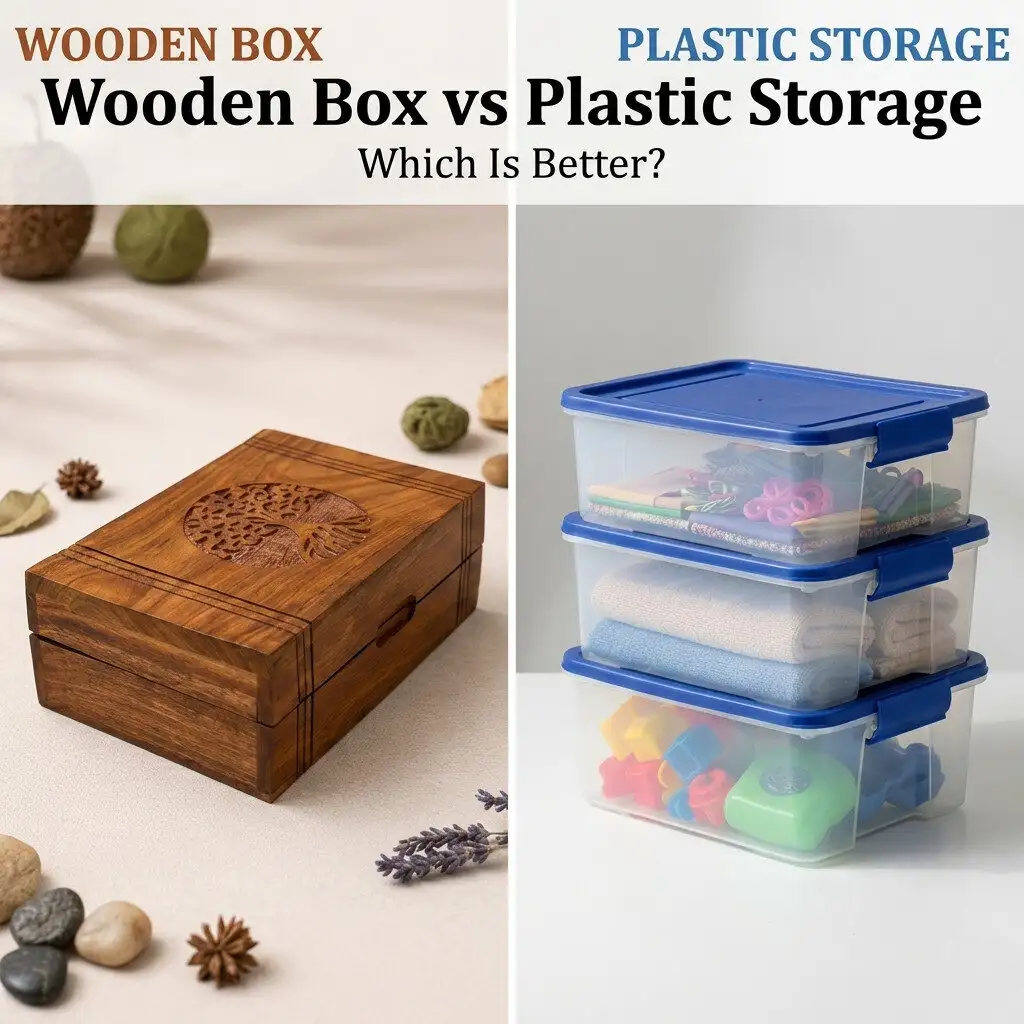
Wooden vs Plastic Tea Box | India House Store Tea is a daily ritual in Indian households, from steaming cups of Assam tea in Mumbai apartments to refreshing green tea in Bangalore’s humid homes. Choosing the right storage—wooden tea box vs plastic tea box—is essential to maintain flavor, aroma, and hygiene. The wrong container can degrade taste, absorb odors, or fail to protect your tea in India’s varying climates. At India House Store, we specialize in handcrafted, durable wooden tea boxes designed to preserve tea quality while complementing Indian kitchen aesthetics. 1. Why Tea Storage is Critical Tea quality depends on five major factors: Light: Breaks down delicate polyphenols and catechins in tea. Air: Accelerates oxidation, reducing flavor and aroma by up to 40% over 6 months. Moisture: Humidity above 60% (typical in Mumbai monsoon) can make tea soggy. Heat: High temperatures (like Chennai summer kitchens >35°C) degrade antioxidants. Odor: Tea absorbs strong kitchen smells, especially in apartments with mixed cooking. Proper storage addresses these issues, and material choice directly impacts tea longevity. 2. Wooden Tea Box vs Plastic Tea Box: Comparative Table Feature Wooden Tea Box Plastic Tea Box City-Specific Advice Material Sheesham, mango, or teak; breathable and insulating Polypropylene or low-grade plastic; lightweight Mumbai monsoon → prefer airtight wood; Chennai heat → keep wooden box away from stove Durability 5–10 years; resistant to warping 1–3 years; prone to cracking & discoloration Mumbai → plastic may warp; Bangalore → moisture affects plastic integrity Flavor Preservation Retains aroma; blocks light & humidity May leach chemicals or absorb odors Delhi → dry winters → minimal difference; humid cities → wood superior Hygiene Smooth, easy to clean; resists bacterial growth Scratches trap bacteria; difficult to clean Kitchens with high cooking activity → wood is safer Aesthetics Handcrafted, elegant; complements décor Often inexpensive, basic design Indian kitchens favor wooden tea chest for style Env. Impact Biodegradable, sustainable Non-recyclable, contributes to plastic waste Eco-conscious households → choose wood Price (INR) ₹1,200 – ₹3,500 ₹300 – ₹1,200 Consider investment vs replacement cost 📦 Material 🪵 WoodenSheesham, mango, or teak — breathable and insulating 🧴 PlasticPolypropylene or low-grade plastic — lightweight 📍 City TipMumbai monsoon → prefer airtight wood; Chennai heat → keep away from stove ⏳ Durability 🪵 Wooden5–10 years; resistant to warping 🧴 Plastic1–3 years; prone to cracking & discoloration 📍 City TipMumbai → plastic may warp; Bangalore → moisture affects plastic integrity 🍃 Flavor Preservation 🪵 WoodenRetains aroma; blocks light & humidity 🧴 PlasticMay leach chemicals or absorb odors 📍 City TipDelhi dry winters → minimal difference; humid cities → wood is superior 🧼 Hygiene 🪵 WoodenSmooth, easy to clean; resists bacterial growth 🧴 PlasticScratches trap bacteria; difficult to clean 📍 City TipHigh-activity kitchens → wood is the safer choice ✨ Aesthetics 🪵 WoodenHandcrafted, elegant; complements décor 🧴 PlasticOften inexpensive, basic design 📍 City TipIndian kitchens favor the wooden tea chest for style 🌿 Environmental Impact 🪵 WoodenBiodegradable, sustainable 🧴 PlasticNon-recyclable, contributes to waste 📍 City TipEco-conscious households → always choose wood 💰 Price (INR) 🪵 Wooden₹1,200 – ₹3,500 🧴 Plastic₹300 – ₹1,200 📍 City TipConsider long-term investment vs repeated replacement cost Key Insight In humid or high-heat Indian cities, wooden tea boxes outperform plastic for both durability and tea preservation. 3. How Material Affects Tea Quality Wooden Tea Boxes: Natural insulation reduces temperature swings. Blocks UV light and slows oxidation of polyphenols and catechins. Airtight lids prevent moisture penetration, preserving aroma for 12–18 months. Plastic Tea Boxes: Low-cost options may allow chemical migration, affecting taste over months. Absorb odors and flavors from other foods. Can crack in extreme heat or humidity. Data Point: Studies show tea stored in untreated plastic may lose 15–25% aroma over 6 months in humid conditions, while storing tea in a Wooden Tea Box reduces this loss to under 5%. 4. Advantages of Wooden Tea Boxes Durable & Long-Lasting: Resistant to warping; ideal for daily Indian kitchen use. Flavor & Aroma Preservation: Keeps polyphenols and catechins intact. Hygienic Surface: Smooth finish reduces bacterial growth. Aesthetic Value: Artisan-crafted, complements traditional and modern kitchens. Eco-Friendly: Biodegradable and sourced sustainably from Indian forests. Hybrid Storage Friendly: Can store pre-sealed tea pouches in compartments for added freshness. “Each wooden tea box is hand-finished in Jaipur to preserve tea aroma while highlighting natural wood grains,” – Rohit Sharma, India House Store craftsman. 5. Disadvantages of Plastic Tea Boxes Durability Issues: Breaks or warps under Indian summer heat or monsoon humidity. Flavor Compromise: Low-grade plastics may impart taste or odor. Hygiene Concerns: Scratches trap moisture, leading to mold. Environmental Cost: Non-recyclable, short lifespan, adds to plastic pollution. Visual Appeal: Limited style, often looks cheap in Indian kitchens. 6. Alternative Materials Metal Tins: Durable and airtight, suitable for bulk storage; may alter flavor if unlined. Glass Containers with Silicone Seals: Hygienic and transparent; fragile in Indian kitchens. Hybrid Storage: Sealed tea pouches inside a wooden tea box combines flavor preservation and convenience. 7. Hyper-Local Storage Tips Mumbai Monsoon: Keep wooden boxes elevated, airtight lids preferred; avoid plastic prone to warping. Chennai Summer: Store away from stoves or sun-exposed counters; wooden boxes prevent heat-induced flavor loss. Bangalore Humidity: Use sealed wooden boxes or compartmentalized wooden tea chests; plastic may swell. Delhi Winters: Lower humidity reduces tea deterioration; both wood and plastic acceptable, though wood adds aesthetics. 8. Scientific Insights Tea contains antioxidants such as catechins and polyphenols. Exposure to light, heat, and moisture degrades these compounds: Oxidation Rate in Plastic: ~20% in 3 months at 65% humidity. Oxidation Rate in Wood: ~5% in same conditions. Wood acts as a natural barrier against environmental stressors, maintaining nutritional and flavor quality. 9. Wooden Tea Box Care Tips Wipe with dry or slightly damp cloth; avoid chemicals. Keep away from sunlight and wet areas. Apply food-safe oil once every 3–6 months for luster. Use hybrid storage with pouches for high-humidity climates. 10. Visual & UX Suggestions Comparison Diagrams: Illustrate wooden vs plastic boxes with icons for moisture, light, heat, and odor protection. Product Images: Show wooden tea box
How to Maintain Wooden Storage Boxes
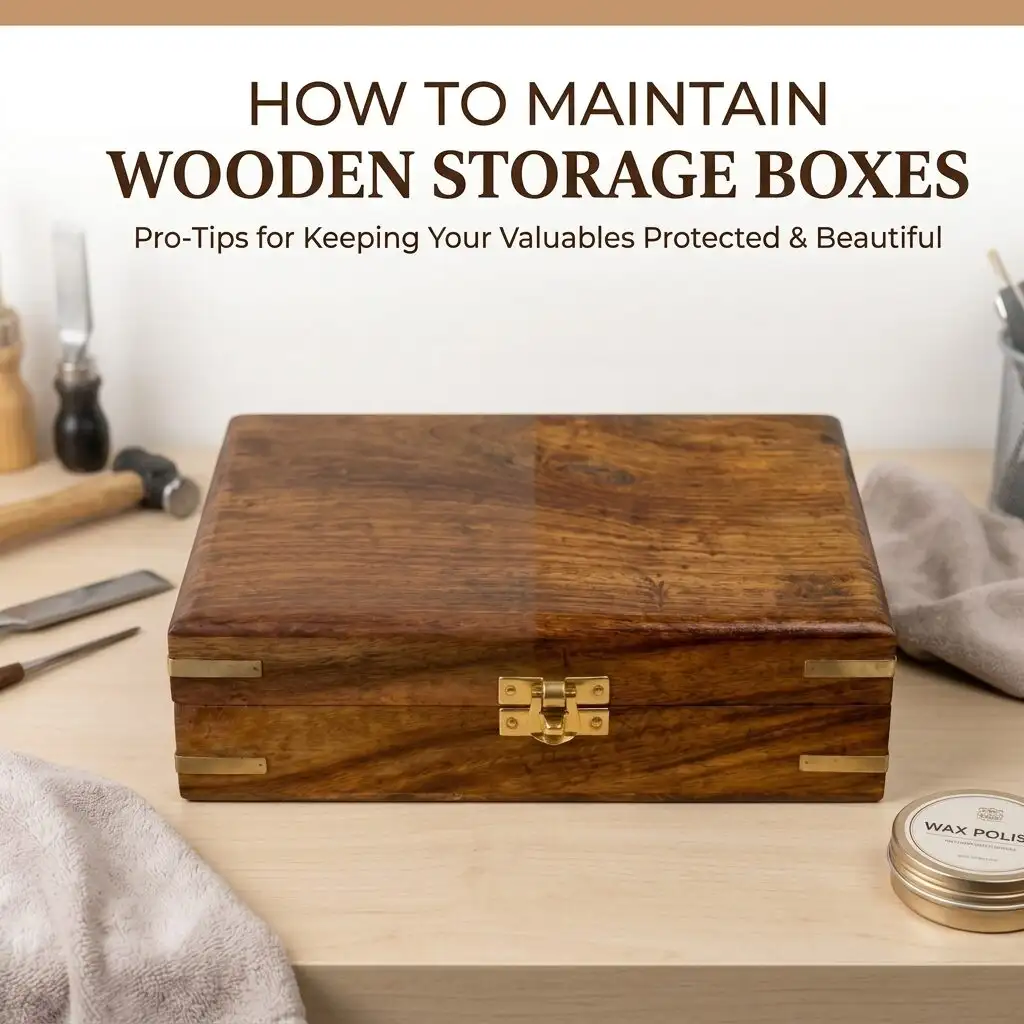
If you are planning to buy storage and asking Are Wooden Boxes Waterproof, you are trying to avoid one problem — spending money on a box that gets damaged within months. Knowing exactly how to maintain wooden storage boxes is the key to preventing water damage and preserving the wood’s natural beauty. Here is the clear answer based on real usage and material behavior: Wooden boxes are not waterproof. But a properly finished waterproof wooden storage box can resist moisture, humidity, and light water exposure when used correctly. The difference between damage and durability depends on wood type, finish, and environment — not just the product label. The Real Reason Wooden Boxes React to Water (And How to Maintain Wooden Storage Boxes) Wood behaves differently from plastic or metal because of its internal structure. Quality craftsmanship from India House Store ensures better performance and durability in real usage. It is a hygroscopic material, meaning: It absorbs moisture from air It releases moisture when conditions are dry What Happens Internally When humidity rises: Wood fibers expand Grain structure absorbs water When humidity drops: Fibers shrink Stress builds inside the wood Over time, this leads to: Swelling Surface cracks Joint loosening This is the core reason behind wooden box moisture damage. Quick Answer (Snippet-Ready) Are Wooden Boxes Waterproof? No. Wooden boxes absorb moisture due to their natural structure. A sealed wooden box can resist humidity and minor water exposure, but it cannot handle continuous contact with water or wet environments. How Long Do Wooden Boxes Last? (With Data) This is where most buyers get clarity. Average Lifespan Comparison (Indian Conditions) Material Average Lifespan Moisture Resistance Wooden Box (Unfinished) 6–12 months Low Wooden Box (Sealed) 3–5 years Medium–High Plastic Storage Box 5–8 years Very High Metal Storage Box 8–12 years High (but rust risk) Insight: Most failures in a Wooden Tea Storage Box happen within the first year when it is not sealed properly. What Happens If You Ignore Moisture Protection In many Indian homes, the damage pattern is predictable: Month 1–2 → No visible change Month 3–4 → Slight swelling near edges Month 6+ → Lid misalignment and rough surface In high humidity cities: Chennai → Faster swelling due to coastal moisture Mumbai → Surface stickiness during monsoon Bangalore → Slower damage but still present in closed spaces This is why wooden box humidity India conditions must always be considered. Can Wooden Boxes Be Used in Kitchen or Bathroom? Kitchen Use (Possible with Care) A wooden box for kitchen works if: It has PU or lacquer coating It is kept away from direct steam Real observation: Boxes near sinks show wear within 3–4 months if not protected. Bathroom Use (High Risk) A wooden box for bathroom: Faces constant humidity Gets repeated moisture exposure Even a sealed wooden box may: Swell within weeks Lose finish over time Best use only in dry bathroom areas. Why Some Wooden Boxes Last Longer Than Others It comes down to material science, not just design. 1. Wood Density Matters Denser woods: Absorb moisture slower Maintain shape better 2. Grain Structure Open grain woods: Absorb water faster Closed grain woods: Offer better resistance Best Wood Types for Moisture Resistance Wood Type Structure Performance Mango Wood Medium density Needs sealing Sheesham Wood High density Strong durability Teak Oily structure Naturally water resistant Mango Wood Water Resistance Good for indoor use, but requires coating. Sheesham Wood Moisture Resistance Better for long-term storage due to dense grain. How to Waterproof a Wooden Box (What Actually Works) If you want to improve durability, follow this proven process: Step 1: Preparation Clean and dry the surface completely. Step 2: Sanding Use 180–220 grit sandpaper for smooth finish. Step 3: Sealing Apply wood sealant to block pores. Step 4: Coating Choose based on usage: PU coating → kitchen use Marine polish → outdoor use Lacquer → indoor decorative boxes Step 5: Drying Allow proper curing between coats. This improves wooden box swelling prevention significantly. Visual Explanation Think of wood like a sponge: Dry condition → contracts Humid condition → expands Now imagine this happening daily. That’s why even a waterproof wooden storage box needs protection and care. Monsoon Reality in Indian Homes During monsoon: Humidity crosses 70–80% Air itself carries moisture Wooden surfaces absorb it without direct water contact Real issue: Boxes placed near walls or floors absorb hidden moisture. What You Should Do Keep boxes elevated Ensure airflow Use silica gel These steps improve wooden box durability India conditions. What Customers Actually Experience Based on real usage patterns: Properly finished boxes → last 3–5 years Unfinished boxes → fail within months Kitchen use → manageable with care Bathroom use → highest failure rate This is why wooden box care and maintenance is essential. Mistakes That Lead to Early Damage Most common issues: Buying without checking finish Placing directly on floor during monsoon Cleaning with excess water Keeping in closed damp cabinets Even premium Indian handicraft wooden boxes fail under these conditions. How to Protect Wooden Box from Water Follow simple steps: Use moisture absorbers Wipe spills immediately Avoid damp walls Allow airflow Reapply polish when needed These steps help protect wooden box from water effectively. When You Should Choose a Wooden Box Choose a wooden storage box India product if: You want natural aesthetics You use it indoors You can maintain it properly Avoid if: You need full waterproof storage You plan to use it in wet areas Key Takeaways Are Wooden Boxes Waterproof? → No Are wooden boxes water resistant? → Yes, with proper finishing Humidity is the biggest risk in India Sealing improves lifespan significantly Usage location decides durability Are Wooden Boxes Waterproof? Wooden boxes are not waterproof because wood absorbs moisture naturally. However, a properly finished sealed wooden box can resist humidity and light water exposure. The right approach is: Choose the right wood Ensure proper finishing Follow maintenance Choose the Right Wooden Box Most people lose money not because wooden boxes are bad — but because they choose
Buying a Copper Water Bottle in the UK: A Complete Guide for 2026
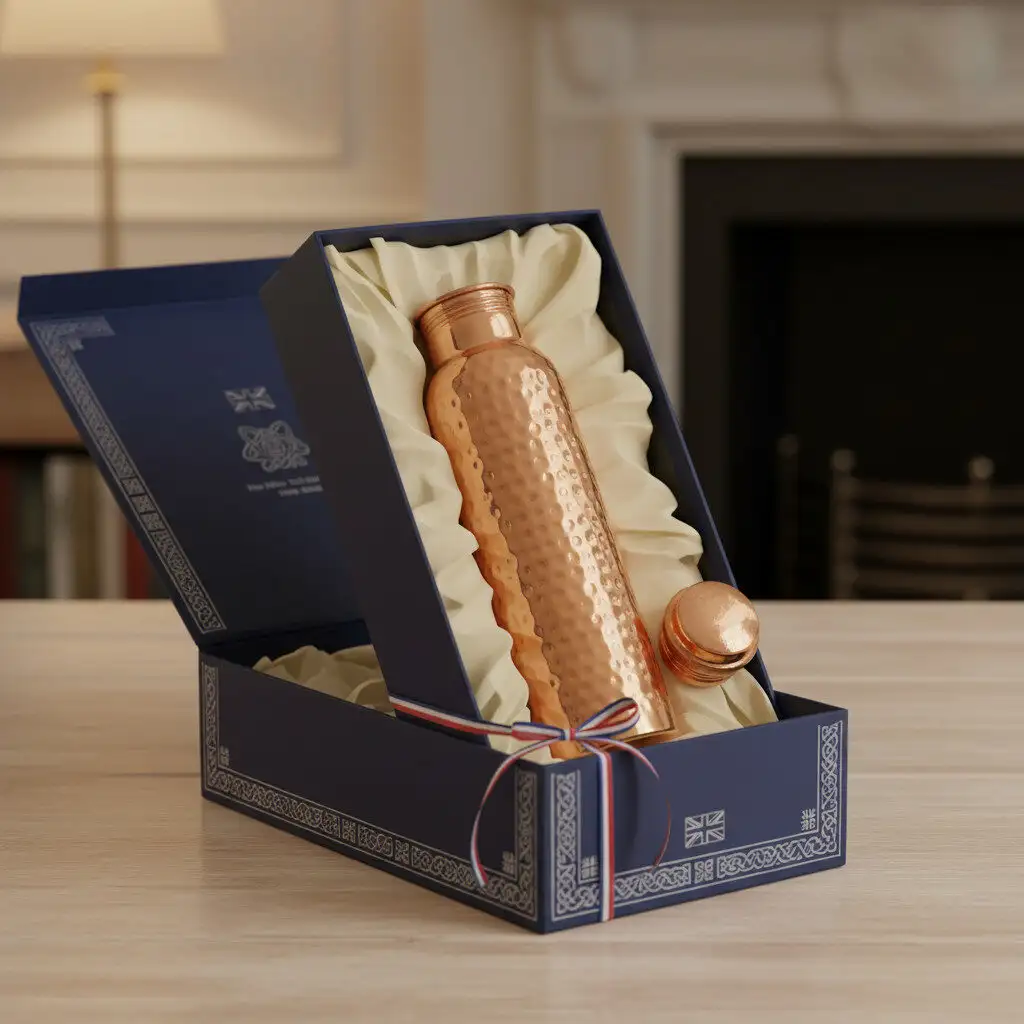
Copper water bottles have become increasingly popular in the UK as people move away from plastic drinkware and look for traditional, reusable alternatives. Along with this growing interest, many buyers now want clarity on authenticity, correct usage, and sourcing. If you are planning to buy a copper bottle in the UK, understanding what makes a genuine copper bottle — and how it should be used — is essential. This guide explains the key points every buyer should know before making a purchase. Why Copper Water Bottles Are Trending in the UK The demand for copper water bottles in the UK has grown due to several factors: Preference for natural materials over plastic Increased interest in reusable, long-lasting products Appreciation for handmade and slow-crafted items Awareness of traditional water storage practices Copper bottles are often chosen not for decoration, but for their material quality and cultural background. Many UK buyers now seek copper bottles that are made using traditional methods rather than factory production. What Is a Pure Copper Water Bottle? A pure copper water bottle is made entirely from copper metal, without inner coatings, linings, or paint. This distinction is important because many products sold online are only copper-coloured. How to Identify a Genuine Copper Bottle Before buying a copper water bottle in the UK, check for the following signs: Unlined interior with no shiny coating Natural surface variation, including light hammer marks Noticeable weight, as copper is heavier than plated metals Colour changes over time, which is normal for real copper A bottle that looks permanently glossy or never changes appearance may not be solid copper. Handmade vs Factory-Made Copper Bottles Copper bottles are produced using different methods, and this affects quality and longevity. Handmade Copper Bottles Shaped and finished by skilled artisans; often thicker and more durable; each piece has slight variations; usually uncoated. Factory-Made Copper Bottles Pressed by machines from thin sheets; often coated to preserve shine; uniform appearance; designed for mass production. Buyers looking for authentic copper bottles generally prefer handmade options. Are Copper Bottles Suitable for Use in the UK? Copper bottles are traditionally used for storing plain drinking water. When made from pure copper and used correctly, they are suitable for regular household use. Fill with plain drinking water only Let the water rest for several hours Do not store acidic or flavoured liquids Clean the bottle regularly Copper bottles are not designed for juices, carbonated drinks, or long-term liquid storage. Traditional Use of Copper in Indian Homes In many Indian households, copper vessels have been used for generations to store drinking water. This practice is part of traditional lifestyle systems, where copper is valued as a natural material. This guide refers to cultural and historical use only and does not make medical or therapeutic claims. For many UK buyers, copper bottles represent a connection to long-standing traditions that prioritise natural materials and mindful daily habits. How to Choose the Right Copper Water Bottle Size: 750 ml to 1 litre for daily use; smaller bottles for bedside or desk use. Design: Plain or hammered designs suit modern homes; engraved designs reflect traditional styles. Finish: Matte or lightly polished finishes age naturally; highly reflective finishes may indicate coating. Common Mistakes Buyers Make Buying copper-coloured bottles instead of solid copper Choosing coated bottles that limit proper use Using acidic liquids inside copper bottles Cleaning with chemical detergents How to Care for and Clean a Copper Water Bottle Simple Cleaning Method: Use lemon and salt or a mild natural cleaner. Rinse thoroughly with water and dry completely after washing. Copper naturally darkens with time. This is normal and does not mean the bottle is damaged. Why Handmade Copper Bottles Cost More Handcrafted copper bottles usually cost more because they involve skilled manual work, longer production time, thicker copper sheets, and fair payment to artisans. For many buyers, this added cost reflects quality, durability, and ethical sourcing. Where to Buy Authentic Copper Bottles in the UK India House Stores offers a curated range of handmade copper water bottles, crafted by skilled Indian artisans and delivered across the UK. View the Copper Bottle Collection Frequently Asked Questions About Copper Water Bottles Are copper water bottles allowed for everyday use in the UK? Copper water bottles are widely sold and used in the UK. When made from pure copper and used for storing plain water, they are considered suitable for daily household use. How can I tell if a copper bottle is genuine? A real copper bottle has an unlined interior, noticeable weight, and may develop a natural patina over time. Bottles with inner coatings or permanent shine are often plated rather than solid copper. Does copper affect the taste of drinking water? When used correctly, copper bottles may slightly change the taste of water due to the natural properties of the metal. This is normal and varies from person to person. How long should water be kept in a copper bottle? Traditionally, water is stored for several hours or overnight. It is recommended to empty and refill the bottle daily rather than storing water for extended periods. Are these copper bottles handmade in India? Yes. The copper bottles offered by India House Stores are handcrafted by skilled artisans in India using traditional metalworking techniques. Do you ship copper bottles throughout the UK? Yes. Orders are delivered to customers across the UK, with careful packaging to protect handmade products during transit. Browse our related handmade collections. For more broader insights on this subject, you can explore related articles on Wikipedia. n For the complete updated guide, visit Buying a Copper Water Bottle in the UK: A Complete Guide for 2026.
Buying Wooden Beer Mugs in the UK: A Complete Buyer Guide for 2026

Wooden beer mugs are no longer limited to themed pubs or historical reenactments. Across the UK, they are becoming a preferred choice for home bars, gifting, and collectors who appreciate traditional drinkware with character. Finding the best approach to Buying Wooden Beer Mugs in the UK doesn’t have to be complicated. If you are looking to buy wooden beer mugs in the UK, understanding materials, safety, craftsmanship, and correct care is essential. This guide explains everything a buyer should know before choosing a wooden beer mug, whether for personal use or as a gift. Why Wooden Beer Mugs Are Popular Again in the UK The renewed interest in wooden beer mugs comes from a shift toward traditional, reusable drinkware and handmade products. Many UK buyers are choosing wooden mugs for reasons such as: Preference for natural materials over mass-produced glass Interest in traditional European and Nordic drinking styles Growth of home bars and craft beer culture Appreciation for handmade and rustic design Unlike glass or steel, wooden beer mugs offer a tactile experience and visual warmth that appeals to buyers looking for something distinctive rather than generic. What Are Wooden Beer Mugs Made From? Wooden beer mugs are typically carved or assembled using hardwoods that are suitable for drinkware. Commonly used woods include: Mango wood Sheesham (Indian rosewood) Oak Teak (for decorative or limited-use mugs) The wood is usually treated with a food-safe inner lining or natural sealant to prevent leakage and maintain usability. The outer surface may be carved, polished, or left slightly textured depending on the design. Are Wooden Beer Mugs Safe for Drinking Beer? Wooden beer mugs are safe for drinking beer when they are made correctly and used as intended. Key safety points: The inside should be sealed with a food-safe lining Mugs are best suited for beer, ale, or similar beverages They should not be used for hot drinks Proper cleaning and drying are essential A well-made wooden beer mug is designed for regular use, provided care instructions are followed. Handmade vs Factory Wooden Beer Mugs Handmade Wooden Beer Mugs Shaped or carved by skilled artisans; often feature detailed patterns or traditional styles; thicker walls and stronger handles; each mug has natural variation. Factory-Made Wooden Beer Mugs Machine-cut and assembled; uniform in size and appearance; often thinner and lighter; designed for bulk production. Buyers looking for authenticity and durability generally prefer handmade wooden beer mugs. Different Types of Wooden Beer Mugs Tankard-Style Mugs: Classic shape with a sturdy handle; inspired by European beer traditions; suitable for everyday use. Viking-Style Wooden Mugs: Bold designs with carved details; often associated with Nordic history; popular for themed décor and gifting. Rustic Wooden Mugs: Minimal finishing and natural texture; emphasis on the grain of the wood; favoured for home bars and casual settings. How to Choose the Right Wooden Beer Mug When buying a wooden beer mug in the UK, consider these factors: Capacity: 400–500 ml for standard use; larger mugs for serving or display. Grip: Comfortable handle with good balance; secure attachment between handle and body. Finish: Smooth outer finish for regular handling; natural or lightly polished surfaces age well. How Wooden Mugs Affect Taste and Temperature Wooden mugs help maintain the temperature of beer longer than glass, as wood acts as a natural insulator. Many users find that wooden mugs reduce the sharp coldness associated with metal or glass. The taste of beer remains largely unaffected when the inner lining is properly sealed. Any subtle difference is usually linked to temperature rather than flavour transfer. Care and Maintenance of Wooden Beer Mugs Cleaning Guidelines: Rinse with mild soap and lukewarm water; avoid soaking the mug; dry thoroughly after each use. Storage Tips: Store in a dry place; keep away from direct heat; do not place in a dishwasher. With proper care, a wooden beer mug can last for many years. Why Wooden Beer Mugs Make Meaningful Gifts A traditional and timeless look Practical use combined with decorative value Appeal for birthdays, housewarmings, and celebrations A personal feel that mass-produced items lack Handcrafted wooden mugs are especially valued as gifts because no two pieces are exactly alike. Where to Buy Authentic Wooden Beer Mugs in the UK India House Stores offers a curated selection of handcrafted wooden beer mugs, made by skilled artisans and delivered to customers across the UK. Browse the Wooden Beer Mug Collection Frequently Asked Questions About Wooden Beer Mugs Are wooden beer mugs suitable for regular use? Yes. When made with food-safe lining and cared for properly, wooden beer mugs are suitable for regular use with beer and similar beverages. Do wooden beer mugs change the taste of beer? A properly sealed wooden mug does not significantly affect taste. Most users notice differences only in temperature retention rather than flavour. Can wooden beer mugs be washed like normal cups? Wooden mugs should be hand-washed only. Dishwashers and soaking can damage the wood and lining. Are these wooden beer mugs handmade? Yes. The wooden beer mugs available at India House Stores are handcrafted by skilled artisans using traditional woodworking methods. Do you ship wooden beer mugs across the UK? Yes. Wooden beer mugs are delivered across the UK with careful packaging to protect handmade items during transit. Browse our related handmade collections. For more broader insights on this subject, you can explore related articles on Wikipedia. n For the complete updated guide, visit Buying Wooden Beer Mugs in the UK: A Complete Buyer Guide for 2026.
Copper Craftsmanship in India
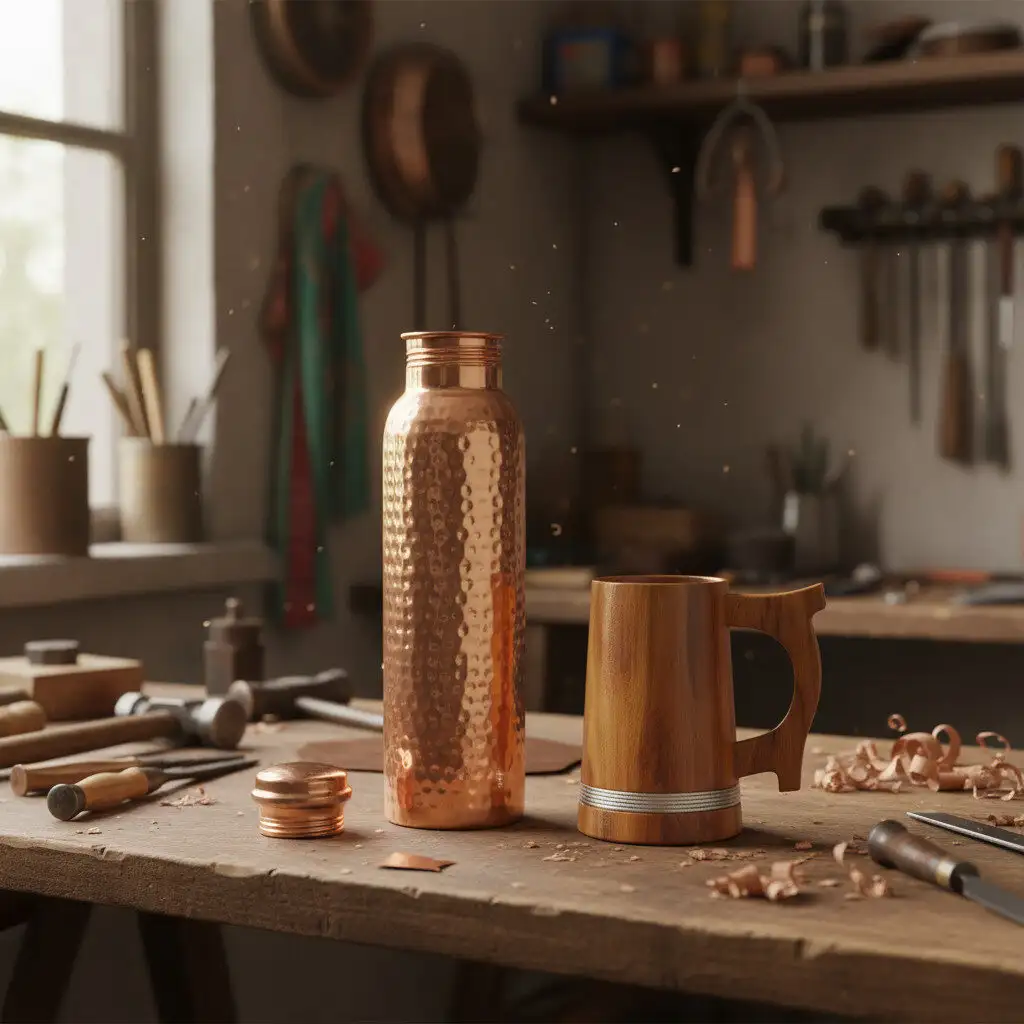
Tradition, Skill, and the Human Work Behind Every Bottle Copper craftsmanship in India is not a recent trend. It is a living tradition shaped by centuries of practice, regional knowledge, and skilled hands. Long before copper bottles became popular in modern homes, Indian artisans were shaping copper vessels for daily household use using techniques passed down through generations. At India House Stores, our copper bottles are rooted in this tradition. Each piece reflects time, care, and the experience of artisans who continue to practise metalwork as it has been done for hundreds of years. The History of Copper Craft in India Copper has held an important place in Indian households for centuries. Traditionally, copper vessels were used for storing water, cooking, and ritual purposes. The craft developed not through factories, but through family-run workshops where skills were learned through observation and repetition. These methods relied on simple tools, controlled heat, and hand shaping. Over time, regional styles emerged, each with its own approach to forming, joining, and finishing copper items. This history forms the foundation of the copper bottles made today using traditional techniques. Regions Known for Traditional Copper Work Copper craft in India is closely linked to specific regions where metalworking has been practiced for generations. Some regions are known for: Hammered copper vessels Hand-joined seams rather than welded joints Distinct surface textures and finishing styles Artisans from these areas often specialise in copper alone, focusing their skills on shaping and refining the metal rather than mass production. Their regional knowledge influences the thickness, balance, and durability of each bottle. How Artisans Handcraft Copper Bottles Handcrafting a copper bottle is a slow and deliberate process. Unlike factory production, each step is done manually. The process generally includes: Cutting and shaping copper sheets by hand Heating the metal to make it workable Hammering the surface to form the bottle shape Joining parts using traditional methods Polishing and finishing without synthetic coatings Because the work is done by hand, no two bottles are exactly alike. Minor variations are a natural result of genuine craftsmanship. Why Handmade Copper Is Different From Machine-Made Handmade copper bottles differ from machine-made ones in several important ways. Handcrafted copper bottles typically have: Thicker copper walls Stronger joints formed without automated welding Natural surface variation rather than uniform shine No inner linings or artificial finishes Machine-made bottles are designed for speed and volume. Handmade bottles are created for durability, authenticity, and long-term use. Ethical Sourcing and Artisan Livelihoods Copper craftsmanship supports skilled livelihoods that depend on fair work and consistent demand. For many artisans, copper work is not a side activity but a primary source of income. Ethical sourcing means: Paying artisans fairly for skilled labour Maintaining long-term working relationships Avoiding mass outsourcing that removes control from craftspeople By choosing handmade copper bottles, buyers help sustain traditional skills that might otherwise decline. Why We Work Directly With Artisan Communities India House Stores works directly with artisan groups rather than sourcing from intermediaries or large manufacturing units. This approach allows us to: Understand how each product is made Maintain quality standards without industrial shortcuts Ensure transparency in materials and methods Support artisan communities more directly Working closely with artisans also allows us to preserve traditional techniques rather than replacing them with machine processes. From Indian Workshops to UK Homes Each copper bottle begins its journey in a small workshop in India and ends up in homes across the UK. Along the way, the bottle carries more than just water—it carries the story of the hands that shaped it. For UK customers, these bottles offer a connection to traditional craft while fitting naturally into modern daily routines. The result is a functional object with cultural meaning, not just a decorative item. How This Craft Is Preserved Through Conscious Buying Traditional copper craft survives when people choose quality and authenticity over shortcuts. Conscious buying helps ensure that these skills continue to be practised rather than replaced. When buyers choose handmade copper bottles: Artisan knowledge remains relevant Traditional methods are passed to the next generation Craft communities stay economically viable Every purchase supports the continuation of a skill that has taken centuries to develop. Browse our related handmade collections. For more broader insights on this subject, you can explore related articles on Wikipedia. n Learn More About Copper n Explore handcrafted copper products read our copper bottle care guide nn For the complete updated guide, visit Copper Craftsmanship in India: Tradition & Skill.
Wooden Craftsmanship in India
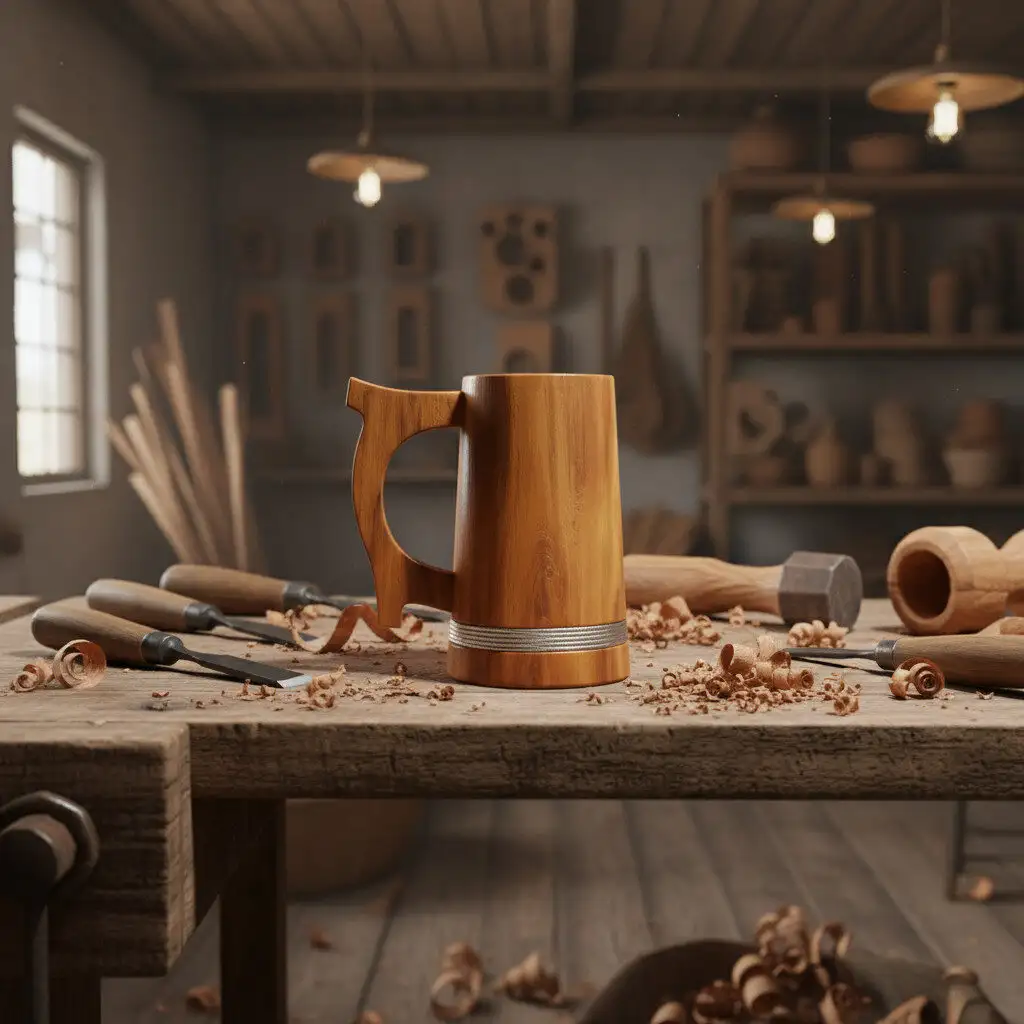
Skill, Patience, and the Human Touch Behind Every Mug Wooden craftsmanship in India is rooted in centuries of hands-on skill, regional knowledge, and respect for natural materials. Long before wooden mugs became decorative or collectible items, Indian artisans were shaping wood into everyday objects designed for use, durability, and balance. At India House Stores, our wooden beer mugs reflect this long-standing tradition. Each mug is made with care, using methods that prioritise handwork over speed and character over uniformity. India’s Tradition of Wooden Handicrafts Wood has been an essential material in Indian craftsmanship for generations. Artisans across different regions have worked with locally available wood to create utensils, tools, and household items. Wooden handicrafts developed through: Family-led workshops Knowledge passed from one generation to the next Manual tools refined over time This tradition values patience and precision, where the process is as important as the finished product. Types of Wood Used in Traditional Mug Making Choosing the right wood is a key part of making a functional wooden beer mug. Artisans select hardwoods that are strong, stable, and suitable for regular handling. Commonly used woods include: Mango wood Known for its durability and visible grain. Sheesham (Indian rosewood) Valued for strength and rich colour. Other hardwoods Selected based on availability and suitability. Each type of wood has its own grain pattern, weight, and finish, giving every mug a distinct appearance. The Process of Handcrafting Wooden Beer Mugs Handcrafting a wooden beer mug involves several careful steps, each done by hand rather than automated machinery. The process generally includes: Selecting and seasoning the wood Shaping the mug body using hand tools or manual lathes Carving or fitting the handle securely Smoothing and refining the surface Applying food-safe inner lining or natural sealant Because this work is done manually, no two mugs are identical. Minor variations are a sign of genuine craftsmanship. Hand-Carved vs Machine-Turned Wooden Products The difference between handmade and machine-made wooden mugs is visible in both structure and finish. Hand-carved or hand-finished mugs: Show natural variation in grain and shape Have thicker walls and stronger joints Reflect the skill of the artisan Machine-turned mugs: Appear perfectly uniform Are produced in large quantities Often prioritise speed over detail Buyers who value authenticity often prefer hand-finished wooden mugs for their individuality and durability. Food-Safe Finishes and Natural Treatments For a wooden beer mug to be suitable for use, the inside must be properly treated. Artisans use: Food-safe inner linings To prevent leakage. Natural oils or sealants To protect the wood. Traditional finishing methods Used rather than synthetic coatings. These treatments help ensure the mug is suitable for beer and similar beverages when used and cared for correctly. Sustainability and Responsible Wood Use Responsible wood use is an important part of traditional craftsmanship. Artisans typically work with wood that is sourced locally and used efficiently. Sustainable practices include: Using hardwoods known for longevity Minimising waste during shaping and carving Relying on small-scale production rather than large-scale logging This approach supports long-term availability of materials and respects natural resources. Supporting Skilled Wood Artisans in India Wooden craftsmanship provides livelihoods for skilled artisans whose work depends on fair demand and recognition of their skill. Supporting artisan-made products helps: Maintain traditional woodworking skills Provide stable income to craft communities Keep manual techniques relevant in modern markets For many artisans, woodworking is not just a trade but a lifelong practice shaped by experience. Why Handmade Wooden Mugs Belong in Modern Homes Handmade wooden beer mugs fit naturally into modern homes because they combine function with character. They offer: Practical use for home bars and gatherings A natural alternative to glass or metal Visual warmth and texture A connection to traditional craft In a world of mass-produced items, handmade wooden mugs bring individuality and meaning to everyday use. Browse our related handmade collections. For more broader insights on this subject, you can explore related articles on Wikipedia.
UK Shipping & Delivery: Clear Information for Handmade Products
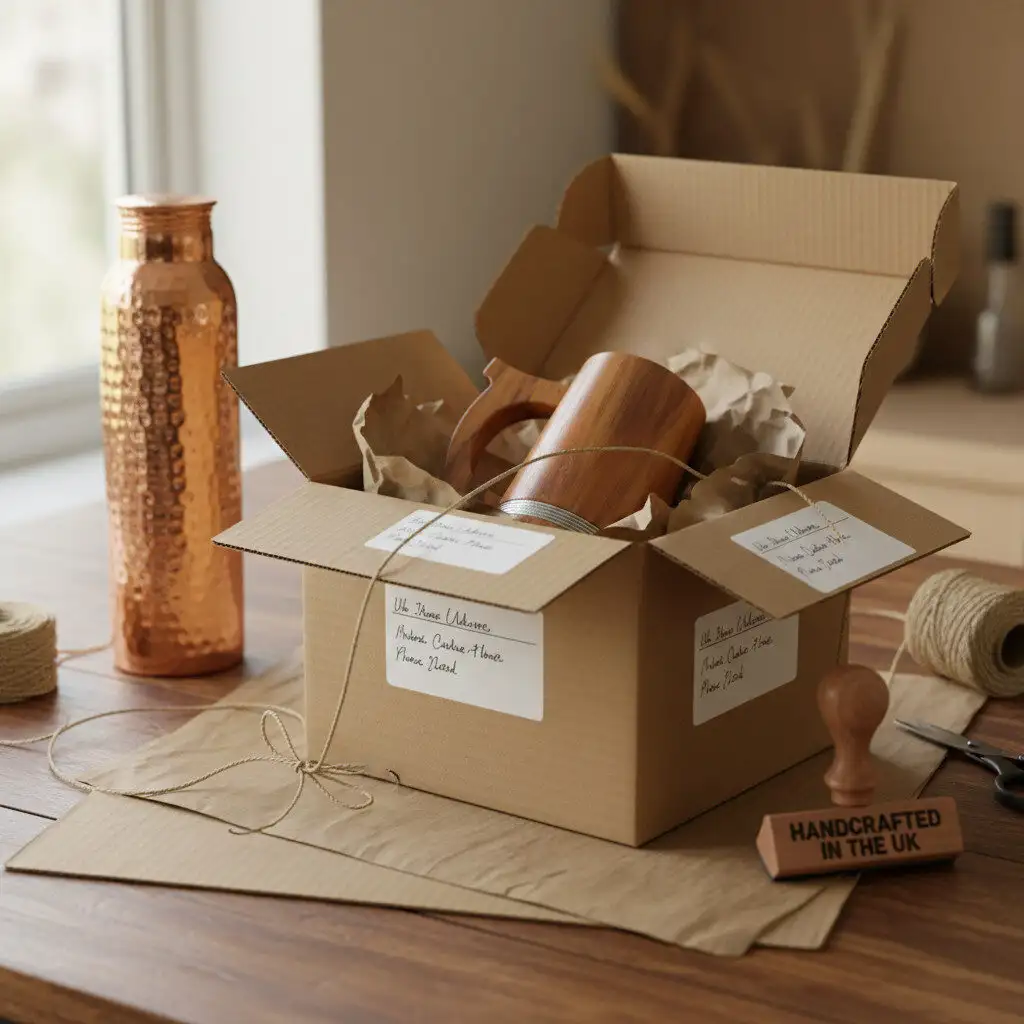
UK Shipping & Delivery When ordering handmade products online, clear shipping information matters. This page explains how deliveries to the UK work, what to expect after placing an order, and how we ensure handmade items reach you safely. Do You Ship Handmade Products to the UK? Yes. India House Stores ships handcrafted products to customers across the United Kingdom. Our UK customers regularly order items such as copper bottles, wooden beer mugs, and other handmade homeware. Orders are processed carefully to ensure handmade pieces are handled with appropriate care from dispatch to delivery. Delivery Timelines for UK Orders Delivery timelines can vary depending on the product type and destination within the UK. General guidance: Orders are processed after confirmation Handmade items are packed securely before dispatch UK delivery typically takes several working days once shipped Because our products are handcrafted, dispatch times may differ slightly from mass-produced goods. Estimated delivery timelines are shared at checkout or in order confirmation emails. Packaging and Protection for Handmade Items Handmade products require extra protection during transit. Each item is packed with care to reduce the risk of damage. Our packaging process includes: Protective wrapping around fragile items Reinforced outer packaging Secure placement to limit movement during transit This approach helps ensure items arrive in good condition while respecting the handmade nature of each product. Customs, Duties, and Taxes for UK Buyers Orders shipped to the UK may be subject to customs checks in line with UK import regulations. Important points for UK customers: Customs duties or taxes may apply depending on order value Any applicable charges are determined by UK customs authorities Customers are responsible for paying duties or taxes if required We recommend checking current UK import guidelines if you are ordering internationally. Returns and Exchanges for UK Customers We aim to provide clear and fair return and exchange guidelines for UK buyers. General return principles: Items should be unused and returned in original condition Return requests must be made within the specified time frame Handmade items may have slight variations, which are part of their character Detailed return instructions are shared through our customer support team. How We Ensure Safe Delivery of Fragile Crafts Many of our products, including copper bottles and wooden mugs, require careful handling. To reduce delivery risks: Items are inspected before packing Fragile pieces receive additional internal padding Packaging is selected based on product type These steps help protect handmade crafts throughout the delivery process. Customer Support for UK Orders If you have questions about shipping, delivery status, or order details, our support team is available to assist. UK customers can contact us for: Order tracking information Delivery-related queries Return or exchange requests Clear communication helps ensure a smooth buying experience from order placement to delivery. Browse our related handmade collections. For more broader insights on this subject, you can explore related articles on Wikipedia.
Authentic Materials We Use: Pure Copper and Food-Safe Wood Explained
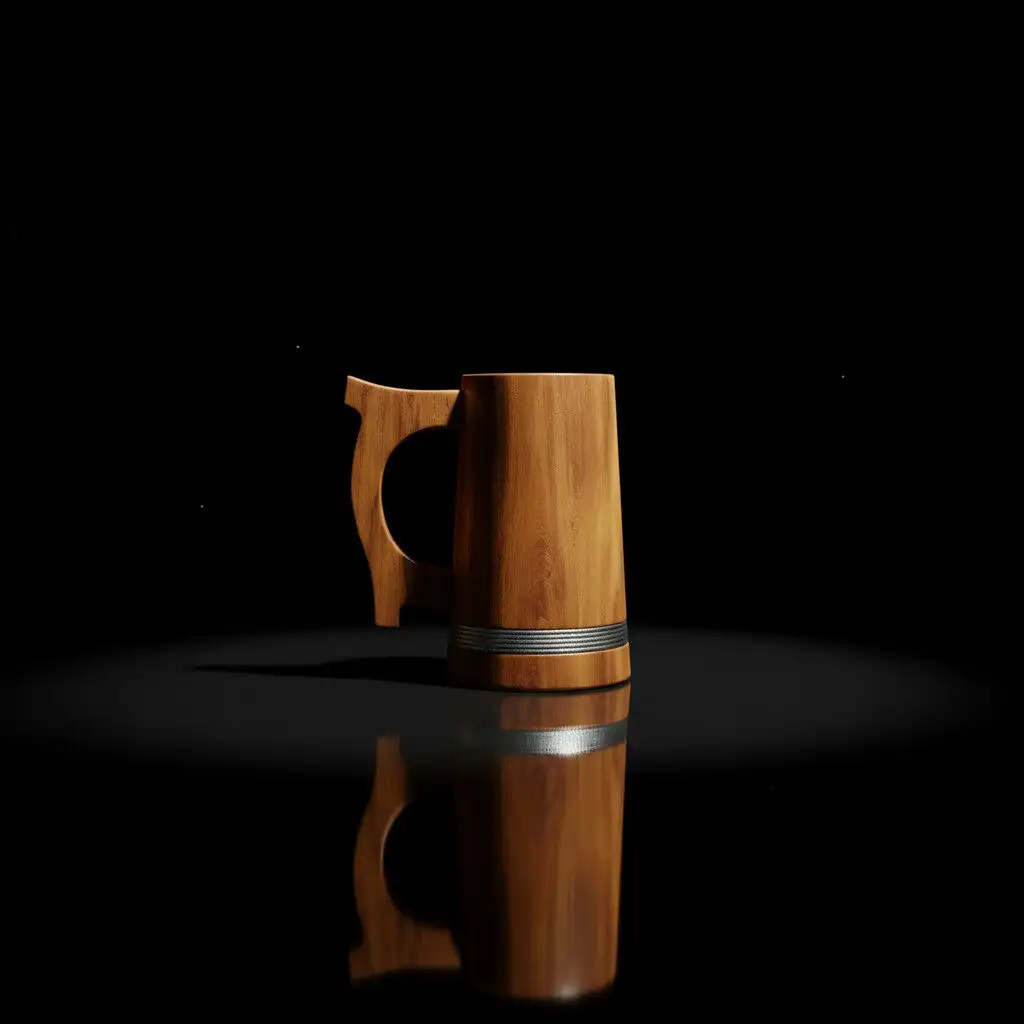
When buying handmade products, materials matter as much as design. This page explains what we mean by pure copper and food-safe wood, how to identify genuine materials, and why honesty around sourcing and finishes is important for everyday-use items. At India House Stores, we believe customers should understand exactly what they are buying and how it is made. What “Pure Copper” Really Means Pure copper refers to copper that is used in its natural metal form, without inner lining, plating, or synthetic coating. A pure copper product: Is made entirely from copper metal Has no lacquer or varnish inside May develop natural colour changes over time Is shaped and finished without masking the material Copper-coloured products, on the other hand, are often made from other metals and coated to resemble copper. How to Spot Fake or Coated Copper Bottles Not all copper bottles sold online are made from solid copper. Some are plated or lined, which changes how they function and age. Signs of a genuine copper bottle: An unlined interior with a consistent copper tone; Noticeable weight compared to steel or aluminium; Subtle surface variations from hand finishing; Gradual patina forming with regular use. Signs of coated or imitation products: Perfectly uniform shine that never changes; Inner surfaces that look silver or glossy; Labels that avoid clearly stating “solid copper”. Understanding these differences helps buyers make informed choices. Food-Safe Wood Explained Wooden products intended for drinkware must be made from suitable hardwoods and treated correctly. Food-safe wood refers to: Hardwood types suitable for regular handling Proper seasoning to prevent cracking Inner lining or sealant designed for beverage use Food-safe does not mean untreated. It means the wood has been prepared in a way that supports safe, practical use when cared for properly. Natural Finishes vs Synthetic Coatings The finish applied to copper and wooden products affects both appearance and usability. Natural Finishes: Allow the material to age naturally, do not seal the surface completely, and show patina in copper and grain changes in wood. Synthetic Coatings: Preserve a fixed appearance, prevent natural ageing, and can limit proper use, especially for copper bottles. At India House Stores, we prioritise finishes that respect the natural behaviour of materials rather than masking them. Why Materials Matter for Daily-Use Products Products used daily come into regular contact with hands, water, and cleaning. Using genuine materials ensures predictable behaviour over time. Authentic materials: Age gradually rather than deteriorating suddenly Can be cleaned using simple, traditional methods Maintain their structure with proper care Choosing real materials reduces uncertainty and improves long-term use. Certifications, Testing, and Quality Checks Handmade products are not always produced in certified factories, but quality checks are still important. Our approach includes: Visual inspection of materials Checking for inner coatings where not intended Ensuring finishes match product purpose Where applicable, we follow material guidelines suitable for handmade household products. Transparency is prioritised over labels that may not apply to small-scale craft. How Authentic Materials Age Over Time Real materials change with use. This change is expected and valued. Copper Develops a darker tone or patina; Reflects regular handling and water exposure; Can be cleaned using natural methods. Wood Shows grain patterns more clearly over time; May deepen slightly in colour; Retains strength with proper drying and care. These changes are signs of authenticity, not defects. Our Commitment to Honest Craftsmanship At India House Stores, we work directly with artisans and small workshops. This allows us to remain clear about what materials are used and how products are made. Our commitment includes: No misleading material claims, clear explanations of finishes and usage, respect for traditional methods, and honest communication with customers. We believe trust is built through clarity, not exaggeration. Browse our related handmade collections. For more broader insights on this subject, you can explore related articles on Wikipedia. n For the complete material standards overview, read our pure copper and food-safe wood guide. You can also explore handcrafted products made with traditional materials and artisan techniques.
Handcrafted Gifts in the UK
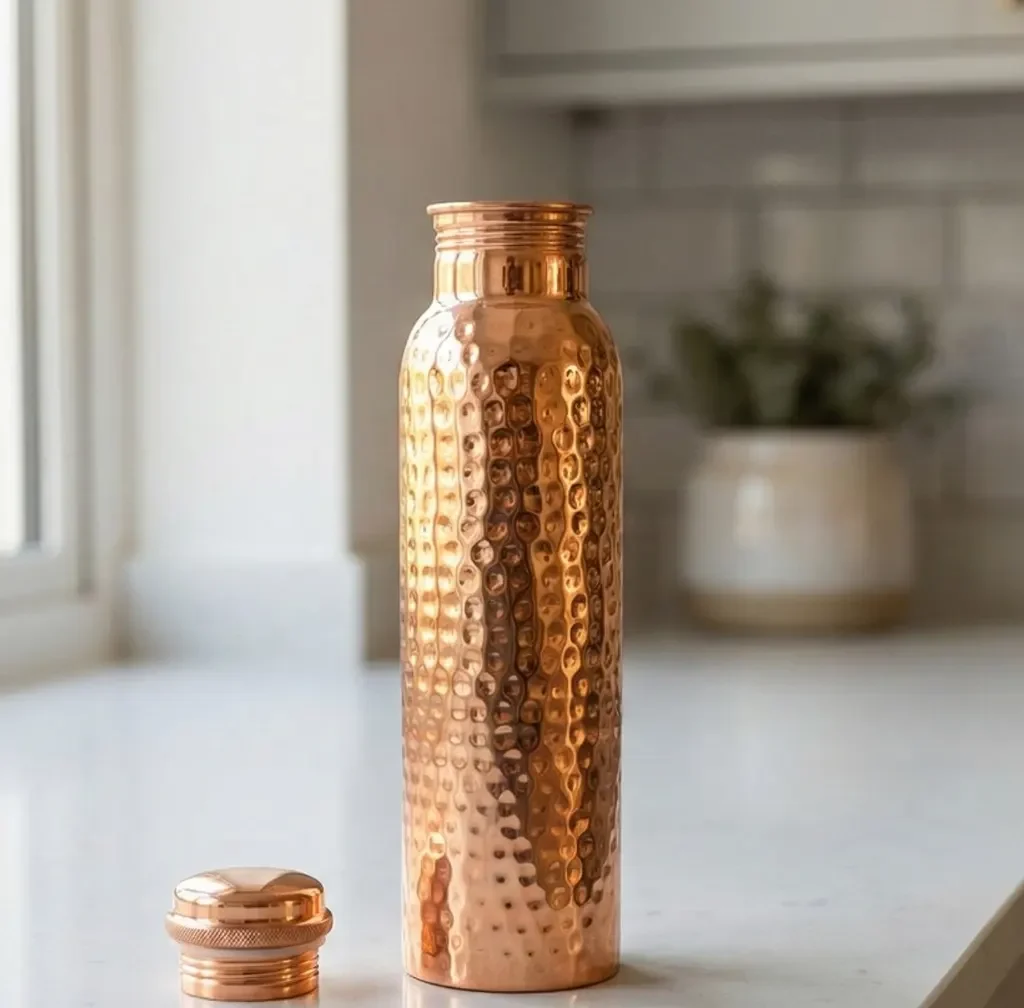
Thoughtful Pieces Made by Skilled Artisans Finding a meaningful gift can be difficult, especially when many options feel mass-produced or impersonal. Handcrafted gifts offer an alternative — items shaped by skilled hands, made in small batches, and designed to be used rather than forgotten. At India House Stores, our handcrafted gifts are created by artisan communities in India using traditional techniques. Each piece carries a sense of care, time, and purpose, making it suitable for thoughtful gifting across the UK. Why Handcrafted Gifts Are More Meaningful Handcrafted gifts stand apart because they are not produced on assembly lines. They reflect patience, skill, and attention to detail. People choose handmade gifts because they: Feel personal rather than generic Show appreciation for craftsmanship Carry cultural and material authenticity Are made in limited quantities A handcrafted gift communicates thoughtfulness beyond the item itself. Popular Handmade Gifts for UK Buyers UK customers often look for gifts that combine practicality with character. Some of the most popular handcrafted gift choices include: Copper water bottles for daily use Wooden beer mugs for home bars Handcrafted décor items for living spaces Utility pieces that fit modern lifestyles These gifts are chosen not just for appearance, but for how they are used and appreciated over time. Copper Bottles as Wellness Gifts Copper water bottles are commonly gifted for occasions where wellbeing and daily habits are in focus. They are often chosen because: They are reusable and practical They connect to traditional water storage practices They suit both personal and professional gifting Copper bottles work well as gifts for colleagues, family members, and wellness-focused occasions without feeling overly personal. Wooden Beer Mugs as Gifts for Men Wooden beer mugs are a popular gift choice for men who enjoy home entertaining or traditional drinkware. They are valued for: Their solid, tactile feel Traditional and rustic design Suitability for home bars and gatherings As gifts, wooden beer mugs offer both function and visual appeal, making them suitable for birthdays, celebrations, and festive occasions. Gifts for Housewarming, Birthdays, and Special Occasions Handcrafted items suit a wide range of occasions because they are designed for everyday use. Common gifting occasions include: Housewarming celebrations Birthdays and anniversaries Festive and seasonal events Personal milestones Because handmade gifts are not tied to trends, they remain relevant long after the occasion has passed. How to Choose a Thoughtful Handmade Gift When selecting a handcrafted gift, consider: Purpose: Is it meant for daily use or occasional display? Material: Natural materials like copper and wood age well Recipient: Choose something that suits their lifestyle Care: Handmade items benefit from simple, regular care Choosing with intention makes the gift feel considered rather than last-minute. Explore Our Handcrafted Gift Collection Our UK gift collection brings together a range of handmade copper bottles, wooden beer mugs, and artisan-crafted items, created in small batches and delivered across the UK. Each piece reflects traditional craftsmanship while fitting naturally into modern homes. Browse our related handmade collections. For more broader insights on this subject, you can explore related articles on Wikipedia. n Discover More Handcrafted Gifts n Shop handcrafted gifts explore handcrafted gifts for USA delivery nn For the complete updated guide, visit Handcrafted Gifts in the UK.