

How to Store Loose Tea Properly
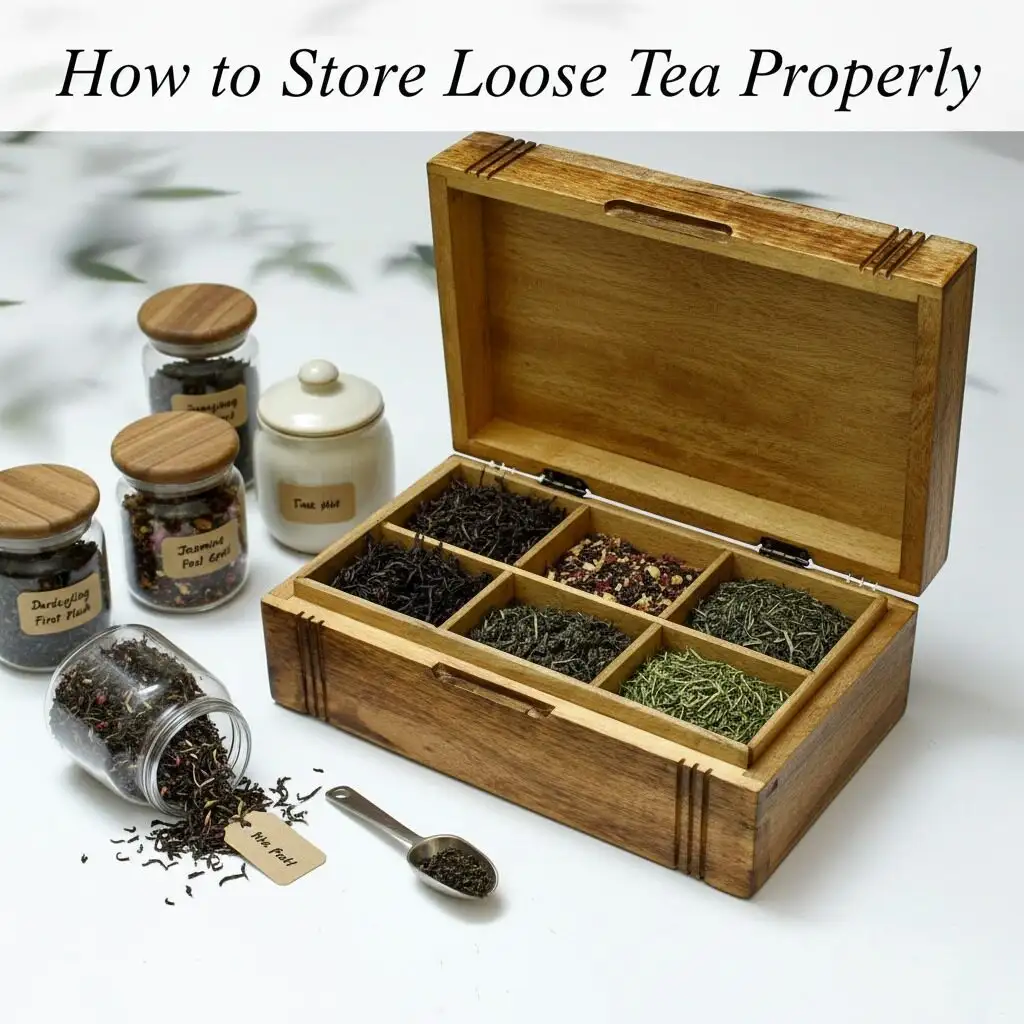
How to Store Loose Tea Properly | India House Store Loose tea is part of a daily routine in millions of homes across India and the United States. From compact city apartments to larger home kitchens, it offers aroma, flavor, and a familiar daily ritual. However, many people face the same issue—tea gradually losing its freshness after opening. Exposure to heat, humidity, light, air, and surrounding kitchen odors can reduce flavor and aroma, often leading to wasted tea. Knowing how to store loose tea properly is important for maintaining its freshness and flavor, especially in environments where climate conditions vary. India House Store focuses on practical storage solutions designed for everyday use, helping keep tea fresh for longer when stored correctly. Quick Storage Checklist Before diving into detailed guidance, here’s a quick overview of best practices: Use airtight containers (tin, ceramic, or dark glass) Store in a cool, dry, dark place, away from sunlight and heat sources Prevent contact with moisture and kitchen steam Keep tea away from strong odors like spices, soaps, or detergents Separate different tea types to prevent flavor mixing Label containers with purchase date and tea type Consider refrigeration only for delicate green teas or matcha Use modular storage boxes or wooden tea caddies for organized storage The Five Enemies of Loose Tea Premium loose tea loses its flavor due to five main factors. Understanding these scientifically ensures maximum freshness: Light: Exposure to sunlight or bright indoor lighting triggers photo-oxidation, breaking down tea compounds responsible for aroma. Use opaque containers such as ceramic jars, tin boxes, or dark glass bottles. Air: Oxygen accelerates oxidation and flavor loss. Airtight containers reduce chemical degradation, preserving both volatile oils and polyphenols. Moisture: Tea leaves are hygroscopic and absorb moisture from the air, which can lead to clumping, mold, or off-odors. In humid environments—such as cities like Mumbai or Miami—store tea in a well-sealed wooden tea box and keep it away from damp areas. Heat: High temperatures speed up chemical breakdown of catechins and aromatic compounds. Store tea away from stoves, ovens, or sunlight, ideally at 20–25°C in urban apartments or traditional kitchens. Odor: Tea absorbs surrounding scents easily, which can alter flavor. Avoid storing near spices, scented candles, or detergents. Expert Insight “Even slight moisture in the leaves can shift flavor from floral to flat within a week. Proper containment and region-specific storage are crucial.” – Ramesh Gupta, Darjeeling artisan tea blender. Hyper-Local Storage Tips for Kitchens Different regions and home types require specific storage adaptations: Coastal & Humid Areas (e.g., Mumbai, Kerala, Miami): High moisture levels can affect tea quality. Use a wooden tea box with a tight-fitting lid and keep it away from windows, steam, and damp kitchen areas. Warm & Tropical Conditions (e.g., Kerala, Florida): Tea can absorb surrounding odors easily. Store it in a well-sealed wooden tea box inside a closed cabinet to maintain flavor. Moderate Climate (e.g., Bangalore, San Diego): Humidity is less intense, but exposure to sunlight can still reduce aroma. Keep a wooden tea box in a shaded, dry place for daily use. Compact vs Spacious Homes: In smaller kitchens, a compact wooden tea box with compartments helps organize different tea types without clutter. In larger spaces, a dedicated tea storage box keeps everything neatly arranged. Best Containers for Loose Tea The right container preserves both aroma and flavor: Materials: Tin, ceramic, or dark glass are preferred. Avoid plastic or transparent glass, which can leach odors or allow photo-oxidation. Airtight Seal: Essential to prevent moisture and air exposure. Compartmentalization: Store delicate teas (green, white) separate from robust teas (black, oolong). Artisan Options: Handcrafted wooden tea boxes provide natural airflow while blocking light, combining practicality with aesthetics. Pro Tip: For urban kitchens, modular tea boxes allow easy stacking and labeling, keeping tea organized and fresh. Shelf-Life of Loose Tea Knowing tea lifespan helps prevent flavor loss and waste: Tea Type Shelf-Life Notes Black Tea 18–24 months Robust; less sensitive to light and air Green Tea 6–12 months Delicate; store in airtight containers with low humidity White Tea 6–12 months Fragile; avoid moisture and direct sunlight Oolong Tea 12–18 months Semi-oxidized; moderate sensitivity Herbal Tea 6–12 months Spiced blends absorb odors; store separately Black Tea Lifespan18–24 months NoteRobust; less sensitive to light/air Green & White Tea Lifespan6–12 months NoteDelicate; store in low humidity Scientific Note: Flavor compounds such as polyphenols degrade faster under heat and humidity. Proper storage preserves antioxidants and aroma molecules. Refrigeration: When It Works Refrigeration is generally discouraged due to condensation risk but can be used for large batches of green tea or Japanese matcha, if stored separately and not in a Wooden Tea Storage Box exposed to moisture: Stored in airtight containers Limited exposure to temperature fluctuations Consumed within weeks For most households, room temperature storage with airtight tins or handcrafted wooden tea boxes is safer and more practical. 2026 Innovations in Tea Storage Modern storage solutions provide extra freshness and convenience: Modular Tea Boxes: Stackable compartments for multiple tea types. Eco-Friendly Liners: Prevent flavor absorption and moisture ingress. Humidity Sensors: Small indicators showing if air moisture exceeds safe levels. Smart Airtight Tins: Seal automatically and maintain optimal airflow. Practical Storage Life-Hacks Small Batch Storage: Open only small portions at a time to reduce oxidation. Labeling Systems: Track purchase date and tea type for freshness management. Tea Corners: Dedicate a cupboard or shelf for tea storage, away from heat and odor sources. Space-Saving Solutions: Magnetic wall-mounted compartments or over-the-door organizers for urban kitchens. India House Store Solutions India House Store provides high-quality loose tea storage solutions, including: Handcrafted wooden tea boxes with dividers Airtight tins and tea caddies Modular and eco-friendly designs for urban and traditional kitchens Well-designed wooden tea boxes help preserve aroma even in humid conditions when tea is stored properly inside. To understand better methods, read How to Store Loose Tea Properly. Tea Storage FAQ Q1. How long does loose tea last? Black tea: 18–24 months. Green/White tea: 6–12 months. Proper storage significantly affects shelf-life. Q2.
How to Organize Tea Bags at Home
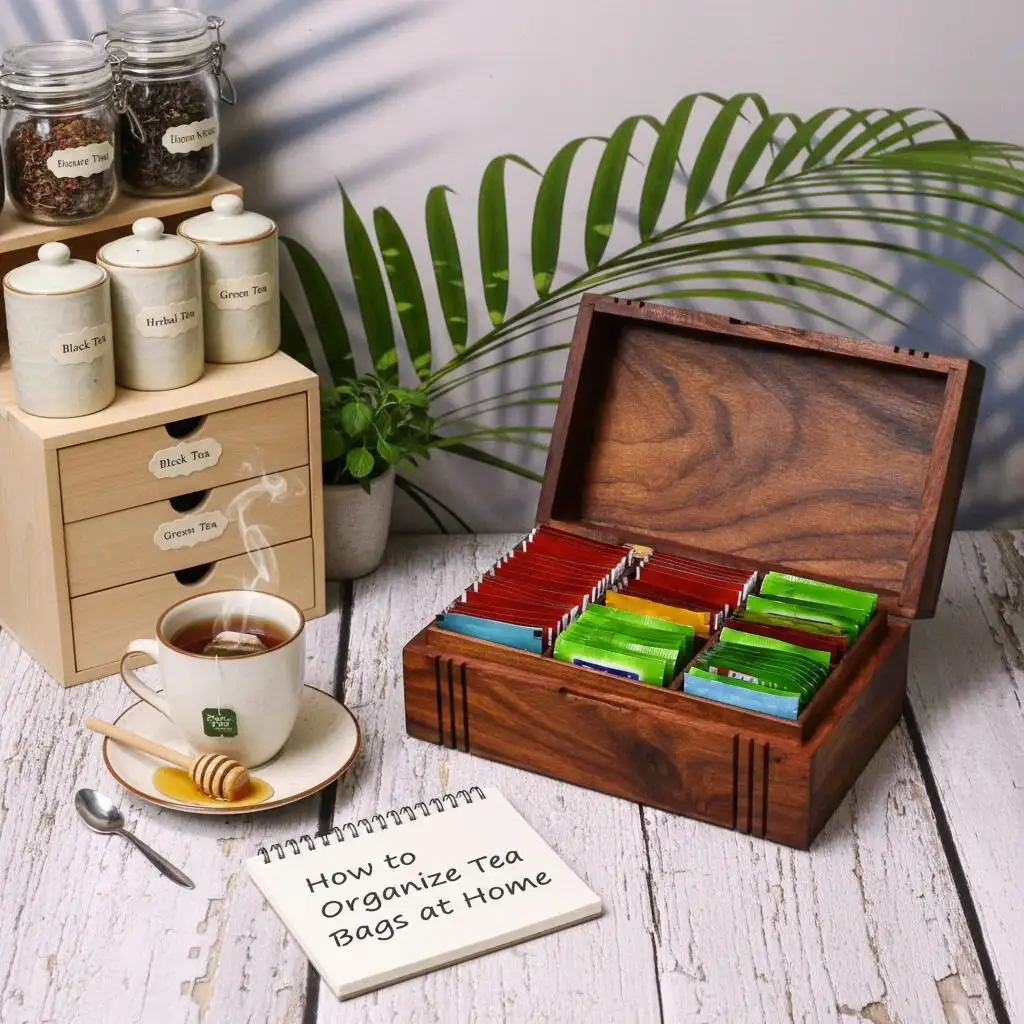
How to Organize Tea Bags at Home | India House Store In many homes, tea is used throughout the day—morning, afternoon, and evening. Over time, different tea bags and sachets start collecting in drawers, shelves, or near the stove. What begins as a few boxes can quickly turn into mixed packets, open sachets, and cluttered storage. How to Organize Tea Bags at Home is not just about keeping things neat. It affects how quickly you can prepare tea, how long the tea retains its flavor, and how clean your kitchen feels every day. India House Store focuses on solving these real problems with storage solutions that match kitchen habits and space constraints. What Actually Happens When Tea Bags Are Not Organized In compact kitchens—common in cities like Bangalore or New York—tea bags are often stored near the stove for convenience. Over time, different types like regular tea, green tea, herbal blends, and flavored options get pushed into a single drawer or shelf, leading to mixed and cluttered storage. Using structured solutions from India House Store can help organize these varieties more effectively. This leads to common issues: Tea bags getting mixed and hard to identify Open packets losing aroma within weeks Exposure to steam and heat from cooking Tea absorbing strong masala smells According to tea storage experts and kitchen usage observations, tea contains volatile compounds that give it aroma. These compounds start breaking down when exposed to air, heat, and moisture. This process, known as oxidation, directly reduces flavor quality. Oxidation Facts: • Tea stored openly can lose around 15–25% of its aroma within a month • Airtight storage can extend freshness up to 2 times longer • High humidity environments (common in kitchens) can significantly speed up moisture absorption This is why understanding How to Organize Tea Bags at Home requires both storage structure and preservation awareness. A Practical System That Works in Homes Instead of random storage, a structured approach works better. One effective method used in many organized kitchens is a simple three-level system. The first level is for daily use. This includes tea bags you use most often, like regular chai or green tea. Keeping these in a small tea bag holder near your preparation area reduces time and effort during busy mornings. The second level is for organized storage. A tea bag storage box with compartments allows you to separate different varieties. This avoids mixing flavours and keeps everything easy to find. The third level is for backup stock. Extra tea packets should be stored in a sealed container and placed away from heat and moisture. This prevents unnecessary exposure and extends shelf life. This layered approach makes How to Organize Tea Bags at Home more efficient without adding complexity. Choosing the Right Storage Based on Your Kitchen Every home setup is different. The way tea should be stored depends on available space and daily usage habits. In homes with modular kitchens, drawers are often underused. A tea bag drawer organizer can turn a cluttered drawer into a clean, structured storage area. Arranging tea bags vertically, similar to files, makes it easier to flip through options quickly. For households where tea is prepared frequently, keeping tea visible works better. A wooden tea box placed on the counter, divided into sections for different types of tea, reduces the need to open cabinets repeatedly. This setup is especially useful in homes where multiple people prepare tea throughout the day. In larger kitchens or homes with pantry space, a tea chest with compartments can store a wider range of tea varieties, including those used occasionally or kept for guests. For smaller kitchens, space-saving solutions such as stackable containers or slim storage boxes help reduce clutter without taking up extra room. Material Matters More Than Most People Think The type of storage you choose affects both durability and tea quality. Wooden storage boxes are widely preferred in Indian homes because they are sturdy and block light exposure. A handcrafted tea box also fits well with traditional and modern kitchen designs. Transparent acrylic containers make it easier to see what is inside, but they do not protect tea from light as effectively. Metal containers can offer strong sealing, but they are less common for organizing multiple tea types due to limited compartments. Choosing the right material is part of tea organization tips that many people overlook, but it makes a noticeable difference over time. Why Airtight Storage Is Important Even with proper organization, tea can lose its quality if not stored correctly. Tea naturally absorbs moisture from the air. In humid environments—such as cities like Mumbai or Miami—this process happens faster, affecting both texture and taste. A simple improvement is using a tea bag storage container with a lid. For better results, keeping tea in its original sealed pouch and placing it inside another container creates an extra layer of protection. This method reduces exposure to air and slows down oxidation. It is especially useful during monsoon months when kitchen humidity increases. Organizing Tea in a Way That Matches Daily Use A common mistake is organizing tea only by type. A better approach is to combine type with usage frequency. Tea used daily should always be within easy reach. Less frequently used varieties can be stored separately. Using a Wooden Tea Storage Box helps reduce unnecessary handling and keeps your main storage area neat. For example, regular chai can be kept in a small tea bag holder near the stove, while herbal or speciality teas can be stored in a compartment box inside a cabinet. This approach makes tea bag organization for kitchen more practical for daily routines. Common Mistakes That Reduce Tea Quality Many households unknowingly reduce the quality of their tea through simple storage mistakes: Proximity to Spices: Keeping tea near spice containers is one of the most common issues. Tea absorbs surrounding smells quickly, which changes its taste. Loose Packaging: Leaving tea packets open or loosely folded exposes them to air and moisture. Heat Exposure:
How to Keep Tea Fresh for Long Time
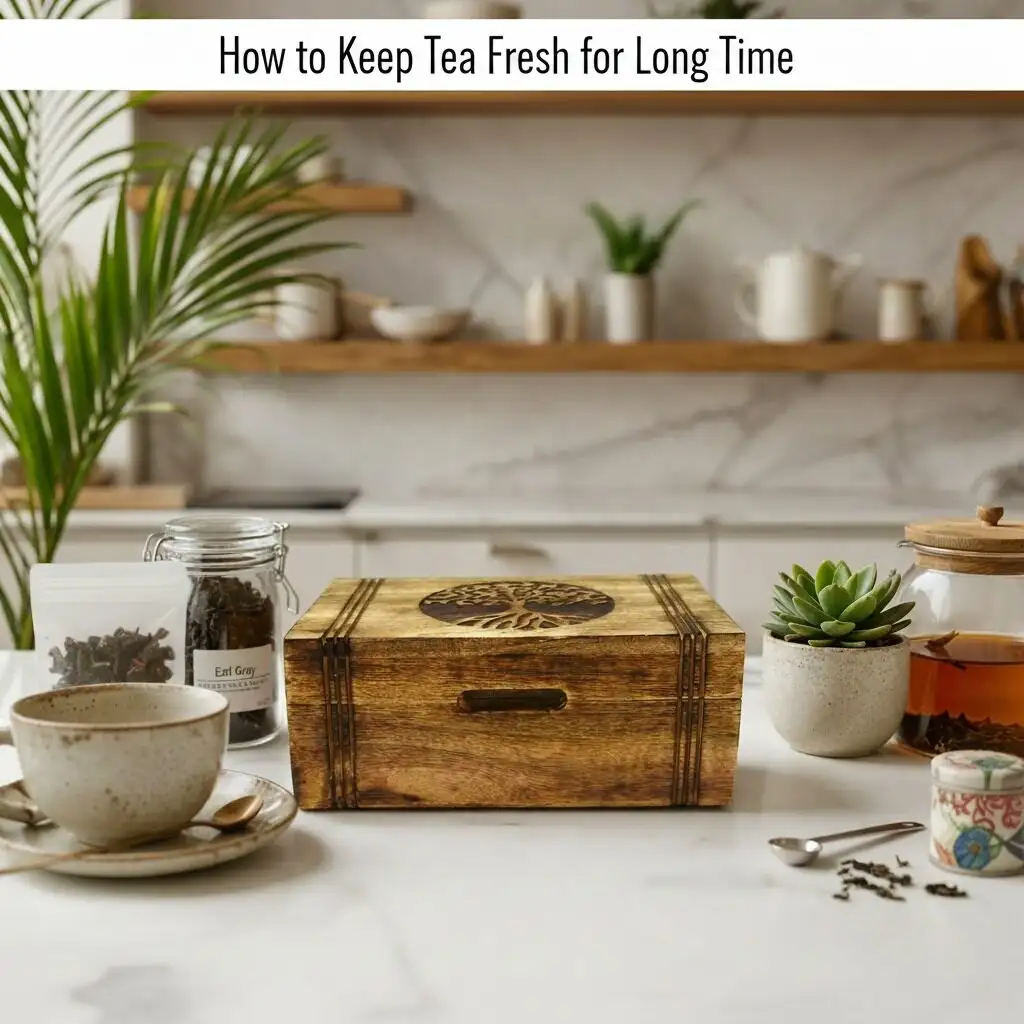
How to Keep Tea Fresh for Long Time | India House Store Tea is part of a daily routine in many homes across India and the United States—morning, afternoon, or evening. A common issue people face is that once a tea packet is opened, it gradually loses its aroma and flavor over time, even when the tea itself is good quality. The real problem is not the tea itself—it is how it is stored. Understanding how to keep tea fresh for long time helps protect flavour, reduce waste, and maintain consistency in every cup. India House Store provides practical tea storage solutions designed for real kitchen conditions like heat, humidity, and frequent usage. Quick Answer: How to Keep Tea Fresh for Long Time If you want a simple and effective method: Store tea in an airtight tea storage box Keep it away from heat, light, and moisture Avoid storing near spices or strong smells Use a tea box with compartments for multiple types Divide bulk tea into small daily-use containers These steps help keep tea fresh longer and prevent early flavour loss. Why Tea Loses Freshness Quickly in Kitchens In most of the houses, tea containers are opened 10–15 times a day. This repeated exposure is the main reason tea loses its aroma early. Tea leaves contain natural oils responsible for flavour. These oils react with the environment and start breaking down when exposed to air, moisture, and heat. The Five Enemies of Tea Freshness 1. Light: UV light breaks down flavour compounds and reduces aroma. 2. Air (Oxygen): Oxygen causes oxidation, leading to stale taste. 3. Moisture: Tea absorbs moisture from air (hygroscopic nature), which affects texture and flavour. 4. Heat: High temperatures cause essential oils to evaporate faster. 5. Odours: Tea acts like a sponge and absorbs surrounding smells such as spices or onions. Controlling these five factors is the foundation of all tea freshness tips. Choosing the Best Tea Storage One of the most important steps in how to keep tea fresh for long time is selecting the right container. What Makes a Good Tea Storage Container Airtight seal to block oxygen and moisture Opaque design to prevent light exposure Non-reactive material (steel, ceramic, treated wood) Separate compartments for different tea types Storage Container Comparison (Important for Decision Making) Container Type Best Use Case Pros Airtight Tea Storage Box Best for long-term storage Protects from moisture and air; Ideal for humid climates Wooden Tea Box Short to medium storage Adds visual appeal; Works well with inner airtight lining Glass Containers Inside closed cabinets Easy visibility; but exposure to light reduces tea quality Plastic Containers Not recommended Can trap odours and allow slow air entry Airtight Tea Storage Box Best UseLong-term storage ProsProtects from moisture/air; Ideal for humid climates Wooden Tea Box Best UseShort to medium storage ProsVisual appeal; Works with inner airtight lining 👉 For best results, combine a daily-use container and a long-term airtight container. Loose Leaf Tea Storage vs Tea Bags Loose Leaf Tea Storage Loose leaf tea is more sensitive to environmental exposure. Store in airtight containers immediately after opening Avoid large containers for daily use Use handcrafted tea box with sealed compartments Tea Bag Freshness Tips Store in a tea bag organizer Keep away from moisture and open air Do not leave tea bags exposed in trays These steps help how to preserve tea flavour effectively. Tea Storage in Humid Climate Humidity is one of the biggest challenges in kitchens, especially in coastal and monsoon conditions. Practical Storage Methods Use double-sealed airtight tea storage box Store in upper cabinets away from steam Avoid areas near sink or cooking zone Use tea chest with lid for added protection This is critical for tea storage in humid climate. The Fridge Myth: Should You Refrigerate Tea? Many households store tea in the fridge thinking it helps freshness. This is not correct for most teas: Refrigeration causes condensation Moisture damages tea leaves Exception: Matcha can be refrigerated if sealed properly. For all other types, proper tea storage container is a better solution. Shelf Life of Different Types of Tea Tea Type Shelf Life (Proper Storage) Green Tea 6–12 months Black Tea 1–2 years White Tea 1–2 years Oolong Tea 1–2 years Herbal Tea 6–12 months Matcha 3–6 months 👉 Most aroma loss happens in the first 7–10 days after opening, especially if stored incorrectly. Using a Wooden Tea Storage Box can help reduce early flavour loss. Real-Life Usage: Kitchen Scenarios Small Kitchens Use compact tea box with compartments. Store inside cabinets, not on open shelves. Large Families (Frequent Tea Use) Use separate daily-use container. Keep bulk tea sealed in airtight storage. Premium Tea Buyers Use high-quality decorative tea storage box with airtight seal. Avoid repeated exposure to air. Smart Checklist to Keep Tea Fresh Longer Transfer tea immediately after opening Use airtight containers only Keep away from sunlight and heat Separate flavoured and plain tea Divide bulk into smaller portions Label and rotate stock Avoid storing near spices These are proven tea freshness hacks used across homes. Tea Storage Ideas for Kitchen India House Store offers storage options that combine usability and design: Tea box with compartments for daily access Decorative tea storage box for organized pantry Handcrafted tea box for long-term storage Why Proper Tea Storage Matters Improper storage leads to: Loss of aroma within days, Flat and dull taste, Wasted money on premium tea. Proper storage helps: Maintain flavour consistency, Extend shelf life, Improve daily tea experience, Reduce wastage. Understanding how to keep tea fresh for long time directly improves quality and value. India House Store – Tea Storage Solutions India House Store provides reliable kitchen storage solutions designed for real usage conditions. Available options include: Airtight tea storage box for long-term freshness Tea box with compartments for multiple tea types Tea bag organizer for convenience Handcrafted tea box for durable storage These solutions are suitable for both loose leaf tea and tea bags, helping households keep tea fresh longer. To learn effective methods,
How to Create a Tea Corner at Home
Do Wooden Tea Boxes Keep Tea Fresh? | India House Store Yes, wooden tea boxes can preserve tea freshness, but their effectiveness depends on the quality of wood, lid design, compartment structure, and storage method. High-quality boxes block light, heat, moisture, and odors—the four main enemies of tea aroma—while providing a stable, dark environment. However, for loose leaf tea or humid Indian climates, tea should remain in sealed pouches or inner canisters inside the wooden box. Reliable options from India House Store are designed to handle these real storage conditions effectively. Why Wooden Tea Boxes Are a Popular Choice in India Across homes in India and the United States—from cities like Bangalore and Mumbai to New York and Los Angeles—tea is part of a daily routine. Buyers often face common challenges: Tea losing aroma in 2–3 weeks Wooden boxes warping in humid coastal climates Tea bags or pouches not fitting standard storage boxes A tea box durability check ensures that tea stays fresh, while also complementing kitchen décor. High-quality wooden tea boxes offer: Natural insulation against temperature fluctuations Bacterial resistance from hardwoods like Acacia, Sheesham, and Bamboo Aesthetic appeal that fits urban and traditional kitchens Based on practical usage across homes in India and the United States, wooden tea boxes help retain aroma for longer when tea is stored in sealed packaging. The Science of Freshness: How Wood Preserves Tea 1. The Porosity Factor Wood is naturally slightly porous. Poor-quality wood absorbs humidity and odors, which reduces freshness. Premium wood types like Acacia or Bamboo strike a balance: Density: Denser wood slows down air and moisture transfer Finish: Smooth interior prevents flavor contamination Temperature Buffer: Maintains stable internal climate 2. Four Enemies of Tea A wooden tea box protects against: Light: Prevents breakdown of essential oils and flavor compounds Heat: Slows down aroma loss Moisture: Reduces spoilage and clumping Odors: Stops tea from absorbing nearby smells Tip: Even the best wood works better if tea is stored in its original foil or paper packaging inside a Wooden Tea Storage Box. Local Insights Tea storage needs differ regionally: Coastal & Humid (e.g., Mumbai, Chennai, Miami) • Moisture exposure and clumping• Wooden tea box with a tight-fitting lid or inner lining to reduce humidity impact Dry & Temperature Variations (e.g., Delhi, Phoenix) • Loss of aroma due to dry air and heat changes• Well-sealed wooden tea box placed away from sunlight and heat sources Urban Apartments / Compact Spaces (e.g., Bangalore, New York) • Limited storage and clutter• Compact wooden tea box with compartments for easy organization Warm & Mixed Conditions (e.g., Chennai, Houston) • Heat combined with humidity affecting flavor• Wooden tea box stored in a shaded, cool area with proper closure Including these hyper-local insights aligns with Google’s local relevance signals and helps Indian buyers make informed choices. Tea Box Features to Look For Lid and Closure Tight-fitting lids prevent moisture and odor entry Hinges should be strong for repeated daily use Compartments Adjustable dividers prevent flavor mixing Standard tea bags (3″ x 2.5″) fit comfortably in 3.5” high compartments Useful for both loose leaf and bagged teas Material and Finish Solid hardwoods: Acacia, Sheesham, Teak Bamboo: lightweight but moderately moisture-resistant Finish: Smooth, odorless interior ensures aroma retention Size & Storage Tips Measure your tea pouch size before purchasing Modular designs work well in small urban kitchens Stackable boxes save space and reduce clutter Wooden Tea Box Freshness Score (Practical Buyer Framework) Feature Checkpoints Impact on Freshness Wood Density Thick vs thin panels High Lid Fit Tight closure vs loose High Compartments Adjustable vs none Medium Internal Finish Smooth, treated vs rough High Packaging Use foil/pouches inside Critical Wood Density CheckpointsThick vs thin panels ImpactHigh Lid Fit CheckpointsTight closure vs loose ImpactHigh Packaging CheckpointsUse foil/pouches inside ImpactCritical Freshness vs Aesthetics Many buyers select a decorative tea box for kitchen only by looks, but this risks: Poor sealing Weak structure Reduced aroma retention Recommendation: Use the Double-Seal Method—keep tea in sealed pouches inside the wooden box. Limitations & Considerations Loose tea in low-quality wood may absorb odors Humid climates need sealed inner canisters Long-term storage (3+ months) requires airtight inner containers This balances real-world practicality with aesthetic appeal, improving trust and alignment with Google’s E-E-A-T and Helpful Content System. Practical Tips for Maximum Freshness Keep tea in original packaging inside the box Avoid direct sunlight on the tea box Place boxes away from heat sources (stove, oven) Clean the box regularly to remove dust and residues Separate aromatic teas from mild teas to prevent flavor transfer Material Comparison: Wood, Metal, Plastic Material Freshness Durability Ideal Use Wood (Acacia/Sheesham) High High Daily use, gifting, decorative Bamboo Medium Medium Lightweight, small kitchens Metal High (airtight) High Humid conditions, airtight storage Plastic Low Medium Short-term use Wood (Acacia/Sheesham) FreshnessHigh Ideal UseDaily use, gifting, decorative Metal FreshnessHigh (airtight) Ideal UseHumid conditions, airtight Sustainability & Eco Benefits Reusable wooden boxes reduce plastic and cardboard waste Long-lasting materials reduce frequent replacement Ideal for households focused on eco-friendly storage solutions Buying for Home vs Gifting Home Use: Organization, easy access, clutter-free storage Gifting: Practical, elegant, and culturally appealing A tea box for gifting can combine functionality, aesthetics, and sustainability. To enhance your setup, read How to Create a Tea Corner at Home. FAQ – People Also Ask Q1: Do wooden tea boxes keep tea fresh in humid climates? A: Yes, when tea is stored in sealed pouches inside the box. In humid environments like Mumbai or Miami, a wooden tea box with a tight lid helps maintain freshness. Q2: Can wood affect tea flavor? A: Low-quality wood may, but solid Acacia or Sheesham does not. Q3: How long does tea stay fresh in a wooden tea box? A: Typically 4–6 weeks for bagged tea, longer with sealed inner containers. Q4: Should I store loose leaf tea directly in a wooden box? A: No, always use foil or paper pouches to maintain freshness. Q5: Which wood is best for kitchen? A: Acacia or Sheesham for durability, bamboo for
Do Wooden Tea Boxes Keep Tea Fresh
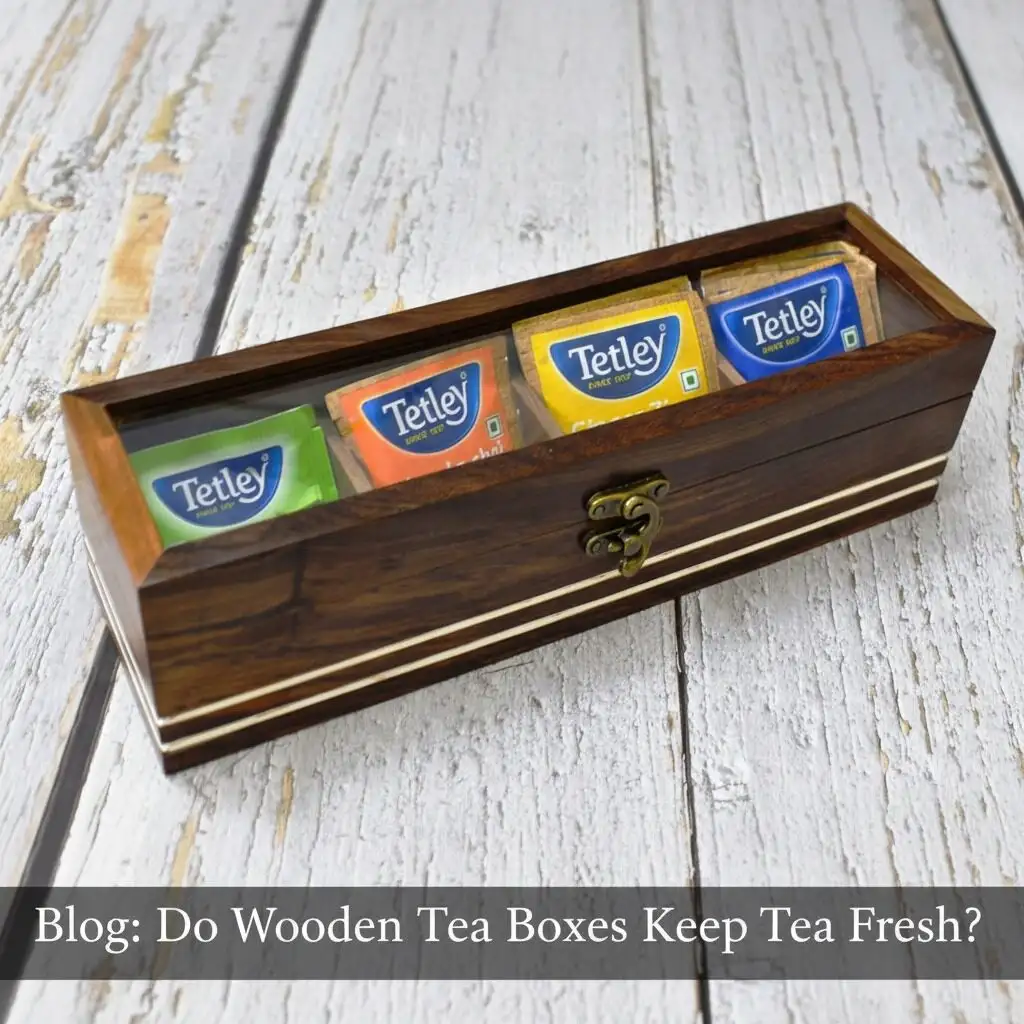
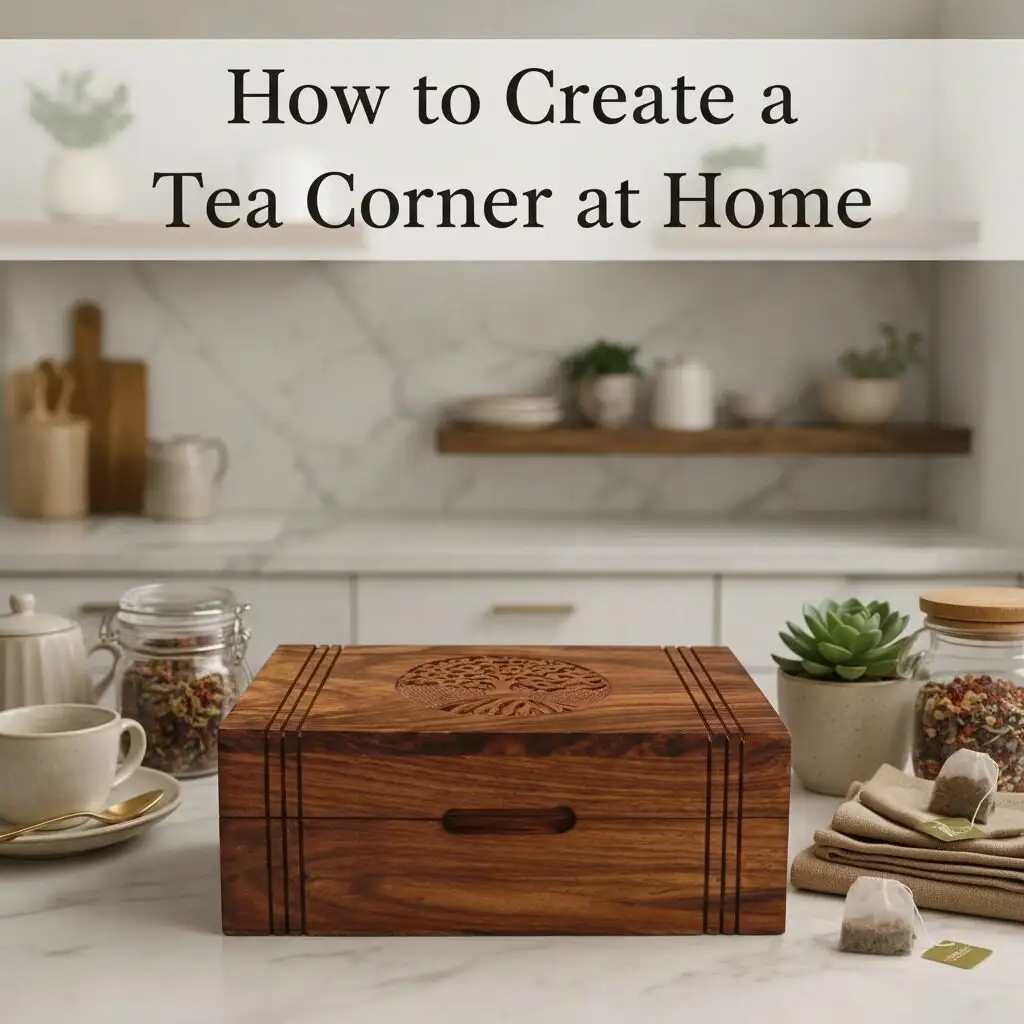
How to Create a Tea Corner at Home | India House Store In many homes, the day often begins with one small routine—making tea. But the experience is not always smooth. Tea leaves are stored in one cabinet, sugar in another, cups placed somewhere else, and the kettle kept separately. During busy mornings or when guests arrive, this scattered setup turns a simple chai routine into repeated searching and unnecessary movement. A common question among tea lovers is: do wooden tea boxes keep tea fresh? The answer lies in the natural insulation properties of solid wood. How to Create a Tea Corner at Home is about fixing this everyday problem. It is about setting up a dedicated space where all tea-related items are organized in one place, making your daily routine faster, cleaner, and easier to manage. India House Store focuses on helping you create a practical tea corner setup that fits real lifestyles—whether you live in a compact apartment or a larger home in India or the United States. Why a Dedicated Tea Corner Makes a Real Difference (And Do Wooden Tea Boxes Keep Tea Fresh?) A tea corner is not just about arrangement. It changes how your kitchen or living space functions every day. When you properly implement How to Create a Tea Corner at Home, you get: A fixed place for all tea supplies Less time spent searching for items Cleaner kitchen counters Easier tea preparation during busy hours A neat setup for serving guests This aligns with modern tea station ideas, where convenience and daily usability matter more than decoration alone. Tea Corner Essentials– What You Actually Need Many people struggle because they either miss important items or overcrowd the space. A proper tea corner should be simple and functional. Essential Items for Tea Corner Setup Storage • Tea leaves or tea bags• Airtight jars• Wooden tea box for tea corner (for multiple tea types) Preparation Tools • Electric kettle or stovetop kettle• Tea strainer• Measuring spoon Serving Items • Cups and saucers• Tea tray (for serving)• Small spoons Optional Additions • Sugar container• Small jars for spices like ginger or cardamom A tea box for tea station helps keep different tea varieties organized without mixing flavors. Choosing the Right Location for Your Tea Corner The success of How to Create a Tea Corner at Home depends on where you place it. You do not need a large space—just a practical one. Tea Corner Ideas– Location Options Kitchen Corner: Best for daily use. Close to water and stove. Ideal for frequent tea preparation. Dining Area Setup: Useful for serving guests. Keeps kitchen less crowded. Tea Corner for Living Room: Suitable for social gatherings. Focus on presentation and easy serving. Tea Corner for Small Kitchen: Use vertical shelves, compact trays or trolleys. Avoid bulky storage. Use Case-Based Tea Corner Setup (Real-Life Scenarios) To make How to Create a Tea Corner at Home practical, your setup should match your daily routine. If You Have a Small Kitchen (Under 100 sq ft) Use wall-mounted shelves. Keep only daily-use items. Use a tray to group essentials. If You Drink Tea Multiple Times Daily Keep kettle, tea, and sugar in one line. Avoid decorative items that slow down access. If You Frequently Host Guests Create a tea corner for living room. Use a tray-based serving setup. Keep matching cups ready. These setups match real tea corner setup ideas used in homes. Choosing the Right Materials for Your Tea Corner Material selection affects durability and maintenance, especially in Indian conditions. Choosing a Wooden Tea Storage Box helps ensure better performance in varying climates. Practical Material Choices Wood (Best for Base Setup): Strong and long-lasting. Works well for shelves and trays. Suitable for kitchen environments. Glass Jars: Easy to see contents. Good for tea and sugar storage. Steel Containers: Durable and easy to clean. Suitable for humid areas. Plastic Containers: Lightweight, but may not handle heat well over time. A wooden tea box for tea corner is useful because it keeps tea varieties separate and protects them from moisture. Tea Corner Setup for Weather Conditions Climate plays an important role in tea supplies organization. Practical Tips • In humid cities like Bangalore → use airtight containers• In coastal areas → avoid open storage• In hot regions → keep tea away from direct sunlight These small adjustments improve storage life and maintain tea quality. Storage and Organization That Actually Works The biggest issue in most homes is clutter. Without proper organization, a tea corner becomes messy quickly. Tea Corner Storage Ideas Use labeled jars for tea and sugar Keep daily-use items at the front Store extra stock separately Use trays to group items A good tea station organization setup reduces movement and improves efficiency. Tea Corner Layouts You Can Visualize Easily 1. Compact Counter Setup Left: kettle | Center: tray with tea and sugar | Right: cups 2. Vertical Shelf Setup Top: extra storage | Middle: daily-use jars | Bottom: serving area 3. Tray-Based Setup All essentials placed on one tray. Easy to move and clean. These layouts make How to Create a Tea Corner at Home easier to implement without confusion. Tea Corner Décor Ideas Without Clutter Decoration should not reduce usability. Tea Corner Décor Accessories Small indoor plant Simple wall frame Neutral lighting Matching containers A tea tray ideas setup improves both presentation and function. Daily Workflow – How a Tea Corner Saves Time A well-planned tea corner improves your daily routine. Simple Tea Routine 1. Switch on kettle2. Take tea from jar3. Add sugar from same tray4. Pour and serve Everything is within reach. No searching. No movement between cabinets. This is the real benefit of How to Create a Tea Corner at Home. Common Mistakes and Practical Fixes Problem What Happens Fix Tea stored in open packets Loss of flavor Use airtight tea box Too many items in one place Clutter Use tray grouping No fixed location Daily confusion Assign a dedicated corner Poor container quality Moisture issues Use
Common Tea Storage Mistakes
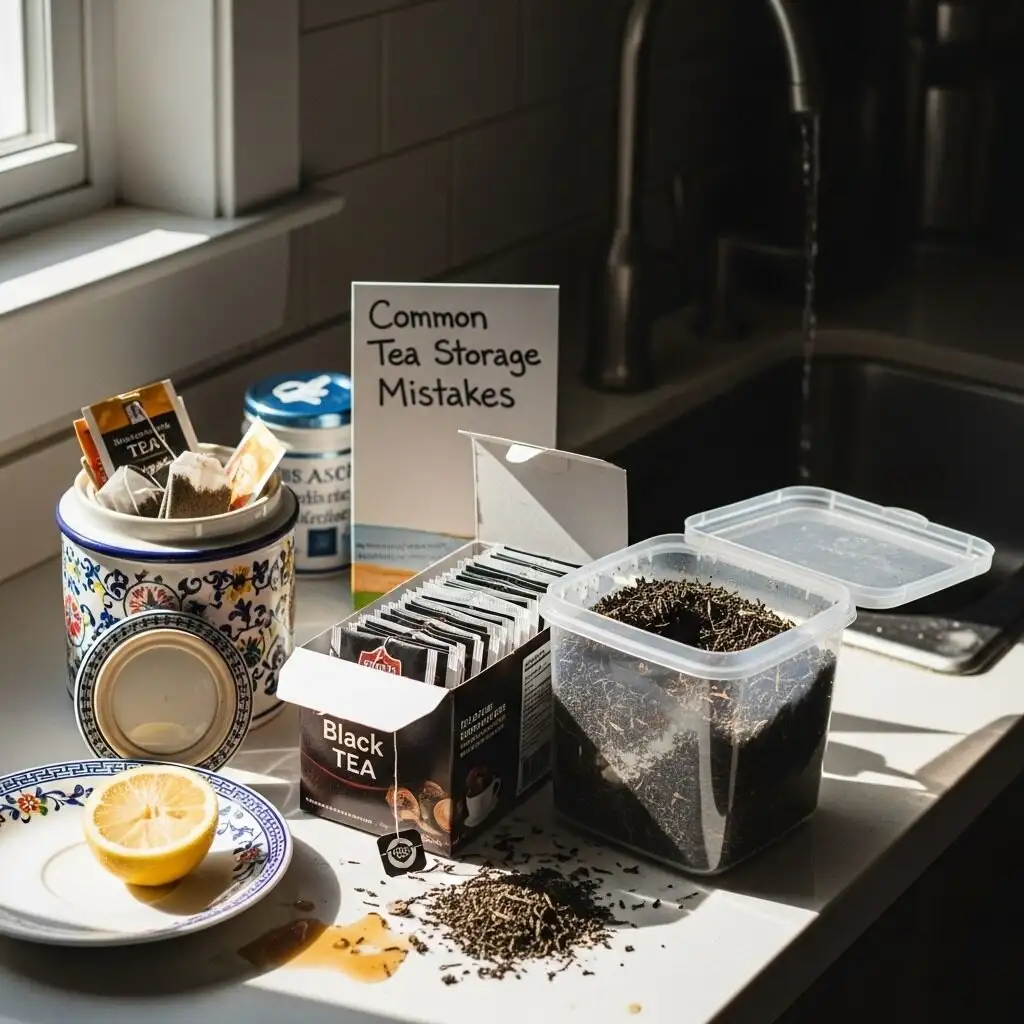
Common Tea Storage Mistakes – India House Store Tea is a daily ritual in millions of homes, yet many households unintentionally compromise its aroma, flavor, and freshness. Common tea storage mistakes can turn premium teas into flat, stale, or musty blends, leading to frustration and wasted investment. At India House Store, we combine decades of experience, artisan insights, and modern storage innovations to help tea enthusiasts protect every cup. This guide goes beyond generic advice, addressing regional climate differences, urban kitchen challenges, tea type sensitivities, and 2026 storage innovations. The 5 Core Enemies of Tea Tea quality declines when exposed to Light, Air, Moisture, Heat, and Odors. Understanding these “enemies” is the first step to keeping your tea fresh. 1. Light – Shield Tea from Sun Exposure Sunlight can break down the delicate aromatic oils in tea leaves, reducing flavor over time. In bright, humid cities like Mumbai or Miami, tea may degrade faster compared to drier conditions in places like Bangalore or Phoenix. Homes with direct sunlight—especially near windows or open shelves—are more prone to this issue. Store tea in opaque containers, such as a wooden tea chest with lid or ceramic jars. Keep tea away from windows and direct sunlight. Refrigerated teas like green tea or matcha should follow the 20-Minute Rule: let tea reach room temperature before opening to prevent condensation. 2. Air/Oxygen – Seal Containers Properly Air exposure accelerates oxidation, causing tea to lose its flavor. Common errors include leaving tea bags in open boxes or storing loose leaf tea in thin paper envelopes. Use airtight tea storage like metal tins, sealed ceramic jars, or tea cupboards with tight lids. Divide tea into smaller portions to limit repeated air exposure. Always close containers immediately after use. Expert Tip: According to tea artisan Raghavendra Singh, “Even a few minutes of air exposure can reduce the delicate aroma of Darjeeling first flush.” 3. Moisture – Control Humidity Tea is hygroscopic and absorbs moisture from the air, which can lead to clumping, mold, and loss of flavor. In humid environments—such as coastal cities like Mumbai or Miami—the risk is higher, while drier regions like Bangalore or Phoenix require protection from air exposure to maintain freshness. Store tea away from sinks, dishwashers, or humid kitchen corners. Use moisture-absorbing packets for long-term storage. Ensure containers are 100% dry before refilling. Safety First: Moldy or damp tea should be discarded immediately to avoid health risks. 4. Heat – Keep Tea Cool Heat speeds up chemical reactions in tea leaves, reducing flavor retention. Storing tea near stoves, ovens, or direct sunlight is one of the most common storing tea near stove mistakes in kitchens. Maintain storage at 18–20°C for black and oolong teas, and 6–8°C for sensitive teas like green or matcha. Avoid storing near cooking appliances. In urban apartments with limited space, use modular storage units with temperature insulation. Innovation 2026: Modular urban tea boxes with thermal lining are now available for high-density apartments, preserving tea freshness in compact spaces. 5. Odors – Keep Tea Away from Strong Smells Tea absorbs nearby odors, which can spoil delicate aromas. Storing tea next to spices, oils, or strong-smelling foods is a frequent tea organization mistake in kitchens. Use dedicated sealed tea containers or compartments in a tea chest India. Keep tea in cupboards away from pungent foods. Tea Type Storage Cheat Sheet Different teas react differently to storage conditions. Avoid mixing tea varieties storage mistakes by following this region-specific guide: Tea Type Best Container Ideal Temp Shelf Life Regional Notes Green / Matcha Airtight / Opaque 6–8°C (Fridge) 6–12 Months In humid Mumbai, use small portions with moisture packets. Black / Oolong Metal Tin / Foil 18–20°C 2–3 Years Dry Bangalore can store longer without refrigeration. Pu-Erh Breathable / Paper Stable Humidity 10+ Years Needs airflow; avoid airtight. Ideal in traditional pantries. Green / Matcha Best ContainerAirtight / Opaque Ideal Temp6–8°C (Fridge) Shelf Life6–12 Months Regional NotesIn humid Mumbai, use small portions + moisture packets. Black / Oolong Best ContainerMetal Tin / Foil Ideal Temp18–20°C Shelf Life2–3 Years Regional NotesDry Bangalore can store longer without refrigeration. Pu-Erh Best ContainerBreathable / Paper Ideal TempStable Humidity Shelf Life10+ Years Regional NotesNeeds airflow; avoid airtight. Ideal in traditional pantries. Pro Tip: Rotate teas monthly and label containers with opening dates for maximum freshness. Organizing them inside a Wooden Tea Storage Box makes tracking and access easier. Container Maintenance & Hygiene Proper container care is critical for long-lasting tea flavor: Cleaning: Rinse containers with hot water only; avoid detergents. Drying: Ensure complete dryness before refilling. Rotation: Use older teas first and avoid mixing batches. Artisan Insight: Wooden tea boxes with properly sealed lids preserve flavor longer due to minimal porosity and consistent insulation. Common Urban & Regional Mistakes 1. Coastal / High Humidity (e.g., Mumbai, Miami) Moisture can affect tea quickly. Use a wooden tea box with a tight lid or inner lining and keep it away from damp kitchen areas. 2. Dry or Moderate Climate (e.g., Bangalore, Phoenix) Tea is less affected by moisture but can lose aroma if exposed to air or sunlight. Store in a well-sealed wooden tea box placed in a shaded area. 3. Compact Urban Apartments (e.g., New York, Bangalore) Limited space often leads to storage near heat sources. Use a compact wooden tea box and keep it away from stoves or direct heat. 4. Larger Kitchens / Shared Storage Spaces Multiple tea types stored together can mix flavors. A wooden tea box with compartments helps keep varieties separate and organized. 2026 Storage Innovations Eco-friendly liners inside tea containers for humidity control. Modular urban tea boxes with adjustable compartments. Smart moisture sensors to alert when storage conditions change. Artisan-sealed wooden tea chests preserving aroma and tradition. FAQ – Quick Answers Q1. Can sunlight ruin tea in humid cities? Yes. In humid, bright cities like Mumbai or Miami, sunlight can break down tea’s natural oils and reduce flavor. Store tea in a wooden tea box with a tight lid and keep it away
Can Tea Lose Flavor in Wooden Boxes
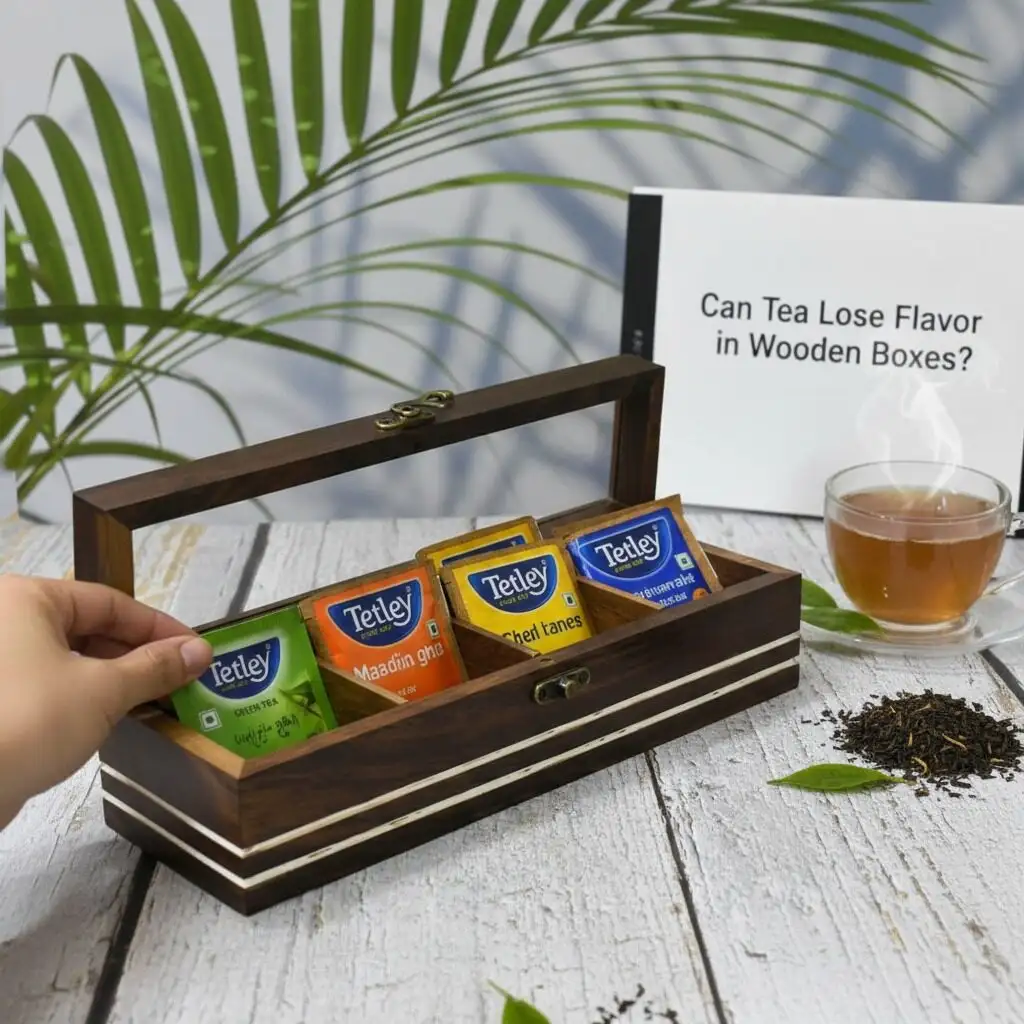
Can Tea Lose Flavor in Wooden Boxes – India House Store Tea is more than a beverage; it’s an experience. But even premium teas can lose their aroma and taste if stored improperly. A common question tea enthusiasts ask is: “Can tea lose flavor in wooden boxes?” The answer depends on the type of wood, the box design, the climate, and how the tea is handled. At India House Store, we combine expertise, artisan craftsmanship, and Indian home insights to provide solutions that keep your tea fresh and flavorful. We offer handcrafted wooden tea containers designed for everyday use in homes across India and the United States—from humid environments like Mumbai and Miami to drier indoor conditions in cities like Bangalore or Phoenix. These boxes help preserve the aroma of loose leaf teas, herbal blends, and tea bags while providing clean, functional, and visually appealing storage. Explore quality options from India House Store. How Wooden Boxes Impact Tea Flavor Wooden boxes are popular for tea storage due to their aesthetic appeal and natural insulating properties. However, improper storage can cause tea to lose flavor quickly. Here’s what happens: Wood Aroma Transfer: Unlined wooden tea chests may impart subtle wood notes to tea. While black teas and masala chai blends tolerate this well, delicate green and white teas can be overwhelmed. Moisture Absorption: Wood is porous and can absorb ambient moisture. In humid cities like Mumbai or Chennai, tea may lose aroma faster in unsealed boxes. Lined or airtight boxes mitigate this risk. Air Exposure: Boxes without proper lids allow oxygen in, leading to oxidation and flavor degradation. Regional Storage Tips for Indian Homes Tea preservation in India varies by climate. Here are city-specific recommendations: High Humidity (e.g., Mumbai, Chennai, Miami) Use a wooden tea box with a well-fitted lid or inner lining to reduce moisture exposure. Keep it away from stoves, sinks, and damp areas. Moderate Climate (e.g., Bangalore, San Diego) A standard wooden tea box with a secure lid works well for daily use. Keep it in a clean, dry space and avoid frequent exposure to air. Hot & Humid Conditions (e.g., Chennai, Houston) Store the tea box in a shaded area away from heat sources. A box with compartments helps keep different tea types organized and protected. Dry & Dusty Environments (e.g., Delhi, Phoenix) Use a wooden tea box with a tight lid to prevent exposure to air and dust. Avoid open shelves and direct sunlight to maintain aroma. Types of Wooden Tea Storage Boxes Choosing the right type of wooden box affects tea freshness: Box Type Best For Features Storage Duration Airtight Wooden Tea Box India Loose leaf tea Food-safe liner, tight lid 4–6 weeks Wooden Tea Box with Liner Delicate green/white teas Prevents aroma transfer 3–4 weeks Unlined Wooden Tea Chest Masala chai, black teas Natural wood aroma 2–3 weeks Handcrafted Multi-Compartment Box Mixed tea varieties Adjustable dividers 4–6 weeks Wooden Tea Bag Box Tea bags Compartments for variety 6–8 weeks Airtight Wooden Tea Box India Best ForLoose leaf tea FeaturesFood-safe liner, tight lid Storage Duration4–6 weeks Wooden Tea Box with Liner Best ForDelicate teas FeaturesPrevents aroma transfer Storage Duration3–4 weeks Unlined Wooden Tea Chest Best ForMasala chai, black teas FeaturesNatural wood aroma Storage Duration2–3 weeks Handcrafted Multi-Compartment Box Best ForMixed tea varieties FeaturesAdjustable dividers Storage Duration4–6 weeks Wooden Tea Bag Box Best ForTea bags FeaturesCompartments for variety Storage Duration6–8 weeks Expert Insights & Artisan Recommendations We consulted tea experts and India House Store artisans to ensure boxes maintain maximum flavor. Each Wooden Tea Storage Box is designed to support proper storage conditions: Hardwood Density: Dense woods like sheesham or acacia reduce moisture transfer better than softer woods. Lid Seal Design: Boxes with recessed lids or magnetic closures minimize air contact. Lining Material: Food-safe liners prevent wood aroma transfer while keeping tea dry. Multi-Compartment Usage: Separates tea varieties, preventing cross-flavor contamination. “Storing green tea in a lined sheesham box in Mumbai retained flavor for 3 weeks, compared to 1–2 weeks in an unlined container,” says a local tea expert in Mumbai. How to Keep Tea Fresh in Wooden Boxes Select the Right Box: Lined or airtight boxes are ideal for delicate teas. Unlined boxes suit strong, spiced teas. Control Environment: Keep boxes in cool, dry areas, away from sunlight, heat, or strong kitchen odors. Portion & Rotate: Store tea in small amounts and rotate regularly to maintain peak flavor. Clean Regularly: Dust or wipe boxes periodically; avoid water unless the box is waterproof or has a sealed liner. Buying Guide for Wooden Tea Boxes in India When choosing a tea box, consider: Material: Sheesham, acacia, and mango wood provide durability and elegance. Lid: Tight-fitting lids reduce air and moisture exposure. Compartments: Adjustable dividers allow multiple tea types. Design: Handcrafted boxes offer a blend of aesthetics and practicality. Airtight Options: Essential for humid Indian climates. At India House Store, our selection includes airtight wooden tea box, handcrafted multi-compartment tea chests, and lined tea containers that meet these criteria. Common Questions About Tea Storage in Wooden Boxes Q1: Can wooden boxes affect tea flavor? Yes, unlined boxes may impart mild wood notes, while lined or airtight containers preserve natural tea flavor. Q2: How long can tea stay fresh in wooden boxes? Generally, 2–6 weeks depending on tea type, box design, and local humidity. Q3: Which locations need extra precautions? High-humidity cities like Mumbai, Chennai, or Miami need extra care, so use a wooden tea box with a tight lid or inner lining. In drier or moderate climates like Bangalore, Delhi, or San Diego, a standard well-sealed wooden box works well. Q4: Can tea bags and loose leaf tea be stored together? It’s best to store them separately in multi-compartment boxes to avoid flavor contamination. Original Insights: India House Store Testing Our in-house tests with Indian kitchen conditions reveal key insights. For a deeper understanding, read How to Keep Tea Fresh for Long Time: Airtight lined boxes retain green tea aroma for up to 4 weeks in Mumbai
Best Wooden Tea Boxes for Storage
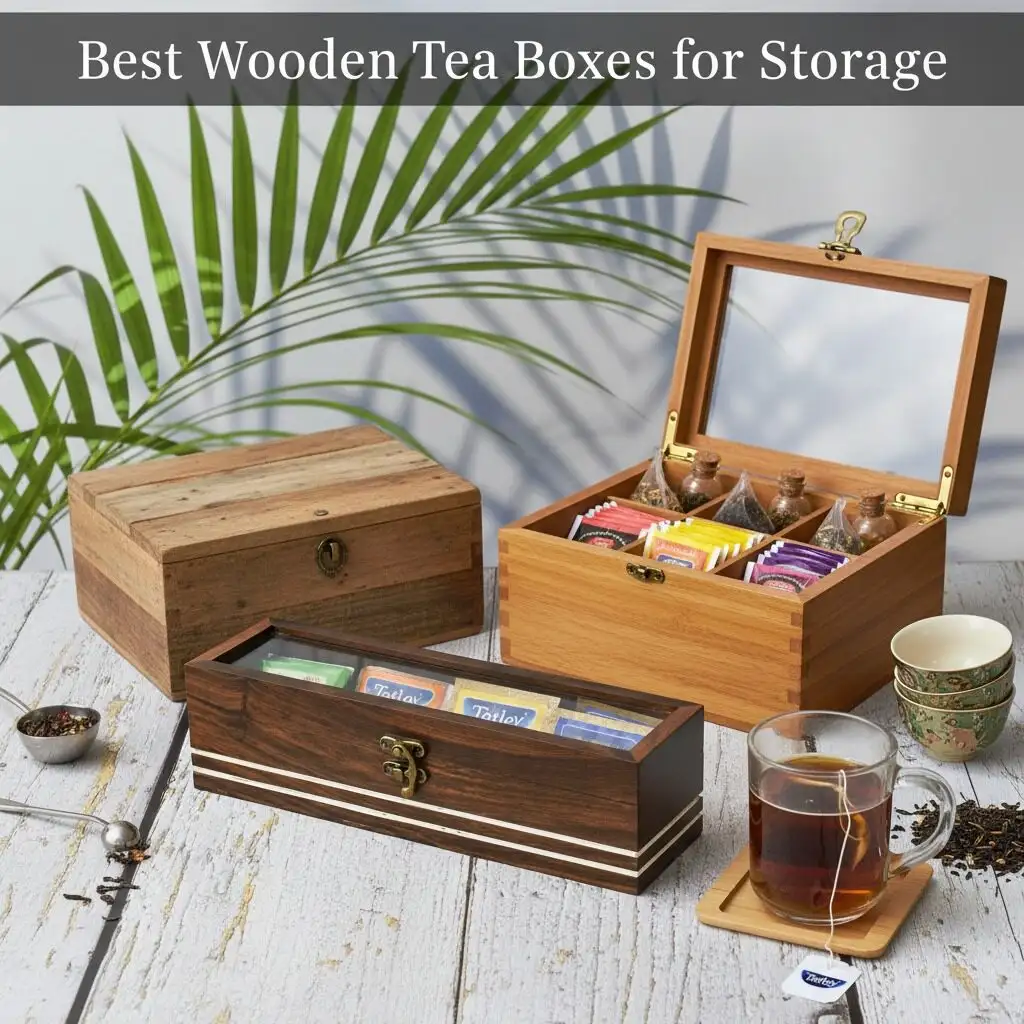
Best Wooden Tea Boxes for Storage | India House Store Choosing the right wooden tea box is not just about storing tea bags. It directly affects freshness, aroma, and how smoothly your daily routine works. A poorly designed box can lead to common issues like loss of flavor, exposure to moisture, or inefficient organization. Across homes in both India and the United States, users often face similar problems—tea losing its aroma over time, boxes reacting to humidity or dry conditions, and compartments that do not support proper separation of different tea types. India House Store focuses on solving these real issues by offering wooden tea storage solutions that are designed for daily use, Indian kitchen conditions, and long-term durability. Why Proper Tea Storage Matters Tea is sensitive to three main factors: Air exposure Moisture and humidity Light When tea is exposed to these, it starts losing aroma and taste quickly. In Indian kitchens, this problem becomes more serious due to: Frequent opening and closing (10–15 times daily) Storage near gas stoves or windows Strong smells from spices like masala and cloves The Best Wooden Tea Boxes for Storage help reduce these risks by keeping tea organized and protected. What Happens If You Choose the Wrong Tea Box Many buyers only look at design and ignore functionality. This leads to real problems: Tea absorbs nearby spice smell Moisture enters and reduces freshness Flavors mix due to poor compartments Box structure weakens within months A low-quality wooden tea storage box may look good at first but fails in daily use. What Makes the Best Wooden Tea Boxes for Storage A good tea box must solve practical storage issues. 1. Strong Wood for Conditions Sheesham wood tea box: dense, stable, long-lasting Mango wood tea box: lighter, suitable for moderate use if treated well If wood is not properly seasoned, it may crack in heat or expand in humidity. 2. Controlled Storage Environment A proper wooden tea box with lid: Reduces air exposure Limits moisture entry Helps maintain tea aroma Loose lids reduce wooden tea box freshness significantly. 3. Functional Compartment Design A well-designed wooden tea box with compartments: Keeps tea types separate Prevents flavor mixing Allows easy access A wooden tea bag organizer with 6–9 compartments works well for most homes. 4. Build Quality and Durability Wooden tea box durability depends on: Joint strength Wood thickness Hinge quality Weak construction leads to loose lids and broken structure within months. Choosing a durable Wooden Storage Box helps avoid these issues. Best Wood for Tea Storage Sheesham Wood Tea Box • Better for long-term use• Handles humidity well• Strong and dense Mango Wood Tea Box • Suitable for light to moderate use• Needs proper finishing• More affordable If long-term durability is important, sheesham is a safer choice. Wooden Tea Box Size Guide (Based on Real Use) Choosing the right size is important. 3 compartments: for 1–2 tea types 6 compartments: suitable for regular households 9 compartments: for multiple tea varieties Many buyers face issues because they do not follow a wooden tea box size guide before purchase. Wooden Tea Box vs Other Storage Options Storage Type Freshness Control Durability Practical Use Wooden tea box Good High Daily use Glass jar Low (light exposure) Medium Limited Plastic container Medium Low Temporary The Best Wooden Tea Boxes for Storage offer a balance of protection, structure, and usability. 3-Level Tea Storage System (Simple Framework) Level 1: Basic Storage Original packets or plastic containers → Low freshness retention Level 2: Standard Wooden Tea Storage Box Basic organization with limited compartments → Moderate improvement Level 3: Proper Wooden Tea Chest Structured compartments + strong lid → Better freshness and organization This approach helps understand why investing in the right box matters. What Happens After 6 Months of Use This is where quality difference becomes clear. Good Quality Wooden Tea Box Structure remains stable Hinges work properly Compartments stay intact Poor Quality Tea Box Wood starts cracking Hinges loosen Lid alignment becomes uneven This is why selecting the Best Wooden Tea Boxes for Storage is important. Common Mistakes to Avoid Buying based only on design Ignoring compartment depth Not checking lid fit Choosing unknown wood type Selecting wrong size A proper wooden tea box buying guide helps avoid these issues. How Long Does a Wooden Tea Box Last High-quality box → 3 to 5 years Average quality → 1 to 2 years Poor quality → 6 to 12 months Lifespan depends on material and usage. Care Tips for Long-Term Use Follow these wooden tea box care tips: Keep in a dry area Avoid direct sunlight Do not wash with water Clean with dry cloth Keep away from spices Use moisture absorbers during monsoon Proper care improves wooden tea box durability. Benefits of Using the Best Wooden Tea Boxes for Storage Maintains tea aroma longer Keeps kitchen organized Prevents flavor mixing Improves daily convenience Reduces clutter A good wooden tea box for kitchen becomes part of daily use. What Buyers Usually Experience Based on common usage patterns: Good boxes maintain performance after 1 year Poor boxes start showing damage in a few months Compartment depth matters more than outer design A handcrafted wooden tea box often performs better when made with proper material and construction. Why India House Store India House Store focuses on practical storage instead of only appearance. Every wooden tea box online is selected based on: Real kitchen usage Indian climate suitability Strong material quality Functional design The collection includes Indian handicraft tea box options that combine traditional craftsmanship with everyday usability. Suitable for Gifting and Daily Use A wooden tea box for gifting is useful because it serves a daily purpose. It is suitable for: Housewarming Festivals Corporate gifting Unlike decorative items, it adds value in everyday life. How to Choose the Best Wooden Tea Boxes for Storage The Best Wooden Tea Boxes for Storage are those that protect tea from air, moisture, and light, provide proper compartments, and use durable wood. India House Store offers wooden
Best Way to Organize Tea Bags
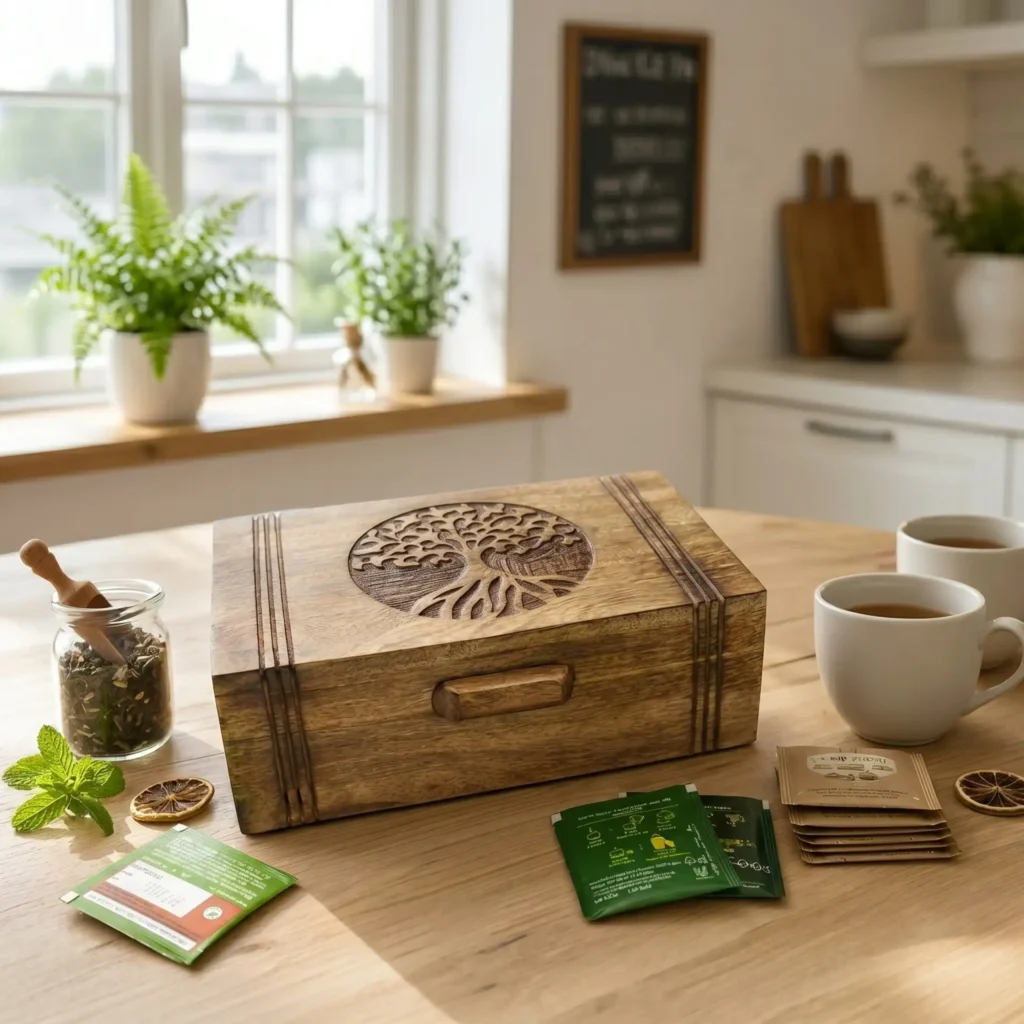
Best Way to Organize Tea Bags | India House Store For many households, tea is more than a drink—it’s part of daily life. Yet, storing tea bags can become frustrating: packets scattered in drawers, lost flavors, cluttered countertops, or messy pantries. Knowing the best way to organize tea bags ensures that every cup of chai is fresh, easy to prepare, and visually appealing. India House Store offers practical tea bag storage solutions that combine functionality, freshness, and traditional craftsmanship—designed for everyday use in homes across India and the United States, including cities like Bangalore, Mumbai, New York, and Los Angeles. Why Proper Tea Bag Organization Matters Tea bags are highly sensitive to light, heat, moisture, and oxygen, the primary enemies that degrade flavor and aroma. Improper storage can lead to: Clumping during humid seasons (common in cities like Mysore, Mumbai, or Miami where moisture levels stay high). Flavor absorption from spices, onions, or garlic. Difficulty finding your preferred tea quickly. Counter clutter from loose packets or bulky boxes. Expert Tip: Even brief exposure to steam or direct sunlight can reduce tea aroma within a few days, especially in humid or warm environments common in cities like Mumbai, New York, or Miami. Data Insight: Foil-wrapped green teas maintain peak freshness for up to 12 months, while black teas in acrylic or bamboo boxes last 6–8 months if stored correctly. Tea Preservation Principles Preserving tea is the foundation of effective organization. Kitchens face unique challenges like small countertops, stove heat, and high humidity during monsoon or summer. Follow these key principles: Principle Reason Local Example Avoid Light UV rays degrade flavor Store tea boxes in shaded drawers or pantries Control Heat Heat accelerates oxidation Keep containers away from stoves or ovens Prevent Moisture Moisture causes clumping and mold Avoid storing near sinks or steam sources; monsoon-proof drawers Use Airtight Containers Maintains aroma and freshness Bamboo, acrylic, or metal tea bag storage containers work best Neutral Environment Tea absorbs odors easily Store away from strong-smelling spices, garlic, or onions Why it works: Bamboo and wood naturally absorb minimal moisture while keeping the internal environment slightly dry, preventing tea bags from sticking. Acrylic and metal prevent external air and odor penetration, preserving aroma molecules longer. Modular Methods for Tea Bag Organization Different kitchens need different setups. Here’s the best way to organize tea bags depending on your kitchen space: 1. Drawer Method Use bamboo or acrylic dividers to separate tea types. “Tetris” loose packets and small boxes for maximum efficiency. Ideal for small kitchens or busy households. Practical Tip: In warm or humid conditions—common in cities like Bangalore, Miami, or Los Angeles—store tea bags in a wooden tea box with a proper lid to reduce moisture exposure and prevent sticking. 2. Shelf or Pantry Method Clear tiered organizers allow easy visibility of all tea options. Separate daily-use teas from seasonal or festive blends. Stack boxes safely without crushing delicate tea bags. 3. Countertop Method Decorative lidded canisters or handcrafted tea boxes keep frequently brewed teas accessible. Doubles as functional décor for your kitchen. Place near kettle and mugs to create a tea station. Categorization Strategies Organize tea bags logically for faster access: By Type: Black, Green, Herbal, Fruit. By Caffeine Content: Caffeinated vs. decaf. By Occasion or Frequency: Daily-use teas vs. seasonal or festive flavors. Storage tip: Use Wooden Tea Box with dividers to keep varieties distinct, preventing flavor cross-contamination. Creating a Functional Tea Station Place your tea organizer near the kettle and mugs. Include essentials like strainers, spoons, sugar, and mugs. Store daily teas in decorative tea bag organizers. Keep seasonal or gift teas in wooden tea chests for display. Expert Insight: Storing high-frequency teas in tea bag storage with lid preserves flavor even during humid monsoon months. Tea Bag Storage Solutions from India House Store Handcrafted Wooden Tea Boxes: Multi-compartment, airtight, rustic design. Tea Bag Storage Containers: Stackable acrylic, bamboo, or metal for pantries or shelves. Decorative Tea Bag Organizers: Compact, visually appealing for countertops. Tea Bag Holders: Quick access for everyday brewing. These options provide the best tea bag organizer, combining durability, preservation, and style. Step-by-Step Guide to Organizing Tea Bags Sort tea bags by type, caffeine, or frequency. Select a storage method: drawer, shelf, or countertop. Use dividers or compartments for separation. Store in airtight containers to maintain freshness. Set up a tea station with brewing essentials. Rotate stock; discard tea beyond shelf life. Pro Tip: Remove tea bags from bulky packaging to save shelf space and improve visibility. Tea Bag Organization Tips for Kitchens Bamboo, acrylic, or metal canisters preserve aroma and durability. Label compartments clearly for quick access. Seasonal teas can be stored in handcrafted wooden tea boxes. Compact tea bag storage containers are ideal for urban kitchens with limited counter space. Rotate teas and discard old stock to maintain freshness. Real-life example: In warm or humid conditions—common in cities like Bangalore, Mumbai, or Miami—storing green tea in a wooden tea box with dividers helps keep tea packets dry and preserves their aroma for longer when stored properly. Visual Layout Recommendations (Illustrative) Storage Type Description Example Drawer Bamboo or acrylic dividers, multi-type separation Tea bag compartment box Shelf/Pantry Clear tiered bins, stacked boxes, seasonal organization Tea bag storage container Countertop Decorative lidded canisters, daily-use teas, near kettle Decorative tea bag organizer Visual suggestion: Include a diagram showing drawer/pantry/counter setups for immediate clarity. For practical methods, read Best Way to Organize Tea Bags. Why Choose India House Store Over a decade of expertise in home décor and storage. Products designed for climate, space, and daily chai habits. Combines functionality, preservation, and style. Customer reviews confirm long-lasting freshness and convenience. Transform Your Tea Ritual Today Don’t let your premium tea lose its soul to humidity and clutter. Join 10,000+ tea lovers who have upgraded to India House Store storage. Aroma Lock Preserves flavor for up to 12 months. 100% Sustainable Eco-friendly seasoned wood. Fast Delivery Ships across India & USA. Claim Your Handcrafted Tea Box Secure Checkout 4.9/5 Rating
Best Tea Box for Home Use
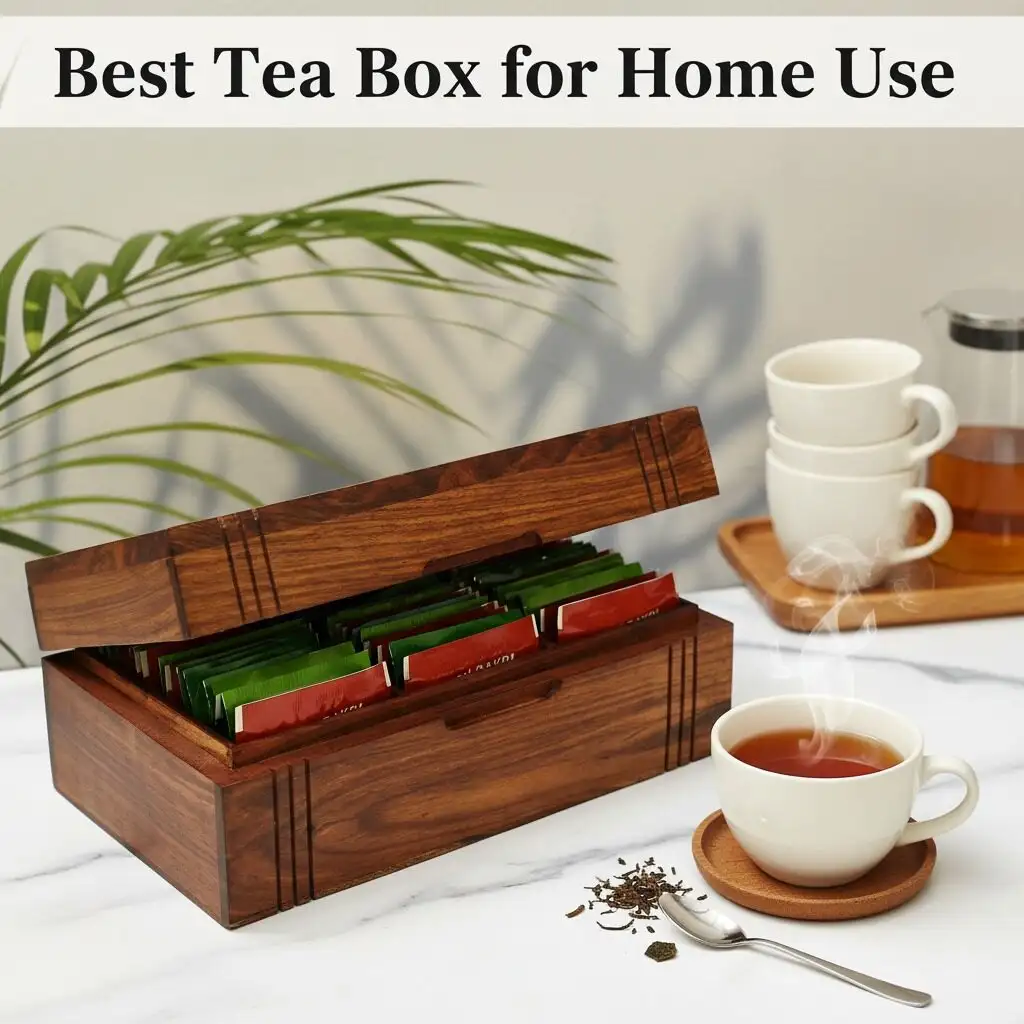
Best Tea Box for Home Use | India House Store Choosing the right tea box for home use is not just about appearance. In households across India and the United States, tea is consumed regularly, and the way it is stored directly affects its freshness, aroma, and ease of use. A tea box that looks good online may not always work well in daily life. Common issues include limited compartments, weak construction, or a design that does not fit well into kitchen or desk spaces. These small problems often become noticeable with regular use. At India House Store, the focus is on practical tea storage solutions designed for real homes. Each tea box is selected based on durability, efficient compartment design, and a clean, organized look—keeping in mind how people actually store and access tea in everyday settings, whether in India or the United States. Why Choosing the Best Tea Box for Home Use Matters Tea storage is not just about keeping tea bags in one place. In most kitchens, tea containers are opened multiple times a day. Exposure to air, moisture, and strong cooking smells can affect the quality of tea. A well-designed Best Tea Box for Home Use helps solve these problems: Keeps tea fresh by limiting air exposure Organizes multiple tea types in one place Prevents mixing of flavors Saves time during daily use Adds structure to kitchen storage Without the right tea storage box for home use, tea often ends up stored in different packets, drawers, or jars, making the kitchen look cluttered. Common Problems People Face When Buying a Tea Box Many customers face confusion while selecting the Best Tea Box for Home Use. Some of the most common problems include: 1. Buying the Wrong Size People often underestimate how much tea they store. A small tea bag organizer for home may not be enough for families that use multiple tea types like masala tea, green tea, herbal tea, and flavored tea. 2. Not Enough Compartments A tea box with compartments is important for separating different tea varieties. Boxes with fewer sections make it difficult to organize tea properly. 3. Poor Material Choice Many buyers are unsure whether to choose wood, metal, or plastic. Each material has its pros and limitations. A wrong choice can lead to issues like moisture damage or loss of finish. 4. Cheap Look and Finish Some tea boxes look good in images but feel low-quality in reality. A decorative tea box for kitchen should match the interior, not reduce its visual appeal. 5. Low Durability Boxes that crack, warp, or lose polish quickly lead to repeated spending. A long-lasting Best Tea Box for Home Use should handle daily use without damage. What Makes the Best Tea Box for Home Use A good tea storage solution is not just about design. It must perform well in everyday use. Practical Compartment Design: The best tea storage container should have enough sections to separate tea types. Most households need 4–8 compartments. Airtight or Secure Lid: A tea box with lid USA helps reduce exposure to moisture and air. This is important in cities with humidity. Strong Material: Options include Wooden tea box for home, Metal tea storage box, or Plastic containers. A wooden tea box for home is often preferred due to its strength and natural look. Suitable Size: Families that consume tea frequently should choose medium to large boxes based on a tea box size guide. Easy Maintenance: The tea box should be easy to clean and maintain without losing its finish. Wooden Tea Box for Home – A Practical Choice A wooden tea box for home is one of the most preferred options in India. It is widely used as a wooden kitchen organizer due to its durability and natural appearance. Benefits of Wooden Tea Boxes: • Strong and long-lasting • Does not bend or crack easily • Maintains structure over time • Suitable for daily use • Matches most kitchen interiors A handcrafted Wooden Tea Box also adds value for those who prefer traditional products. Many buyers look for a handicraft tea box because it combines storage with design. Tea Box with Compartments– Why It Is Important A tea box with compartments is essential for organizing different tea types. Without proper sections, tea bags get mixed, making it difficult to find what you need. Separate storage for different tea flavors Easy access during busy mornings Clear visibility of contents Better usage of space For families that keep multiple tea options, a tea bag storage box with multiple compartments is a practical solution. Choosing the Right Size – Tea Box Size Guide Selecting the correct size is one of the most important decisions when buying the Best Tea Box for Home Use. Small Tea Box (Compact Use) • Suitable for 1–2 people with a simple tea routine • Works best when you use 1–2 types of tea regularly • Ideal for keeping a minimal setup organized without taking extra space Medium Tea Box (Balanced Everyday Use) • Suitable for small families or regular tea drinkers • Can store 3–5 types of tea in separate sections • Helps keep different flavors organized and easy to access daily Large Tea Box (Max Size – Full Organizer) • Best for frequent tea users who like variety • Suitable for storing multiple tea types along with sachets or small accessories • Works as a complete tea organizer while still fitting into compact kitchen or desk spaces If you’re unsure, choosing a slightly larger size is usually better. Smaller boxes tend to fill up quickly, especially when you start storing multiple tea varieties. Decorative Tea Box for Kitchen – Style Meets Function A decorative tea box for kitchen is not just for storage. It is also part of your kitchen setup or dining area. Match kitchen cabinets or shelves Look clean and structured Avoid overly flashy designs Blend with USA kitchen interiors Many customers prefer neutral tones or natural wood finishes that suit most home