
Copper water bottles are increasingly popular for sustainable hydration and artisanal craftsmanship. However, many buyers are unsure about what liquids are safe to store in them. Questions about juice, tea, and overnight storage are common. Understanding what can and cannot be stored in a copper water bottle is essential for safe and effective use.
Handcrafted by Indian artisans, these bottles are made using traditional techniques that reflect generations of skill. Following verified care instructions can help protect the bottle's condition and avoid preventable risks.
Quick answer: Avoid sparkling or carbonated water in an unlined copper bottle. Acidic beverages can increase copper release from copper-contact surfaces. Check the manufacturer's food-contact instructions for a lined or specially designed vessel rather than assuming all copper bottles suit every drink.
Why This Topic Matters
Copper bottles are versatile, but they require careful use. A common misconception is that they can store any liquid indefinitely. In reality, certain substances can react with copper, affecting taste, safety, and the bottle’s longevity.
Indian buyers value the cultural heritage behind these bottles, while international buyers seek authentic, durable options. Clear guidance ensures safe daily use, protecting both the bottle and the user.
Common Questions and Concerns
Traditional Perspective vs. Modern Usage
Traditional Perspective: Copper vessels have been used in India for centuries. Understanding what can and cannot be stored in a copper water bottle is important. Copper vessels have a long tradition of water storage, but traditional practices do not establish a universal safe exposure or storage duration. Acidic liquids were avoided, which aligns with modern recommendations. The suitability of plain water depends on verified vessel materials, water chemistry, storage conditions and care.
Modern Practical Considerations
Do not store sparkling water, soda, citrus juice, vinegar-based beverages or other acidic drinks in unlined copper. For tea, coffee, milk and other liquids, use a container suited to the beverage and temperature. Follow the maker's guidance for the actual interior surface.
Learn how to clean a copper water bottle using the care instructions for its actual interior.
How to Choose the Right Copper Bottle
For more details, see the UK copper bottle safety guide and review the specific product's material and lining details.
Care, Maintenance, and Longevity
Leaving water for multiple days, storing tea or juice, and using harsh chemical cleaners can damage the bottle and affect safety.
Who This Product Is (And Isn't) Suitable For
Suitable For: Individuals who drink water regularly, buyers seeking authentic handmade Indian products, and those who value artisanal craftsmanship in daily life.
Not Suitable For: Users wanting to store juice, tea, milk, or acidic beverages long-term. Also not ideal for those wanting minimal-maintenance bottles or households that frequently consume carbonated drinks.
Frequently Asked Questions
Conclusion
Understanding what can and cannot be stored in a copper water bottle ensures safety, preserves the bottle’s longevity, and maintains its artisanal quality. Plain water is ideal, while acidic drinks, juices, tea, milk, and carbonated beverages should be avoided.
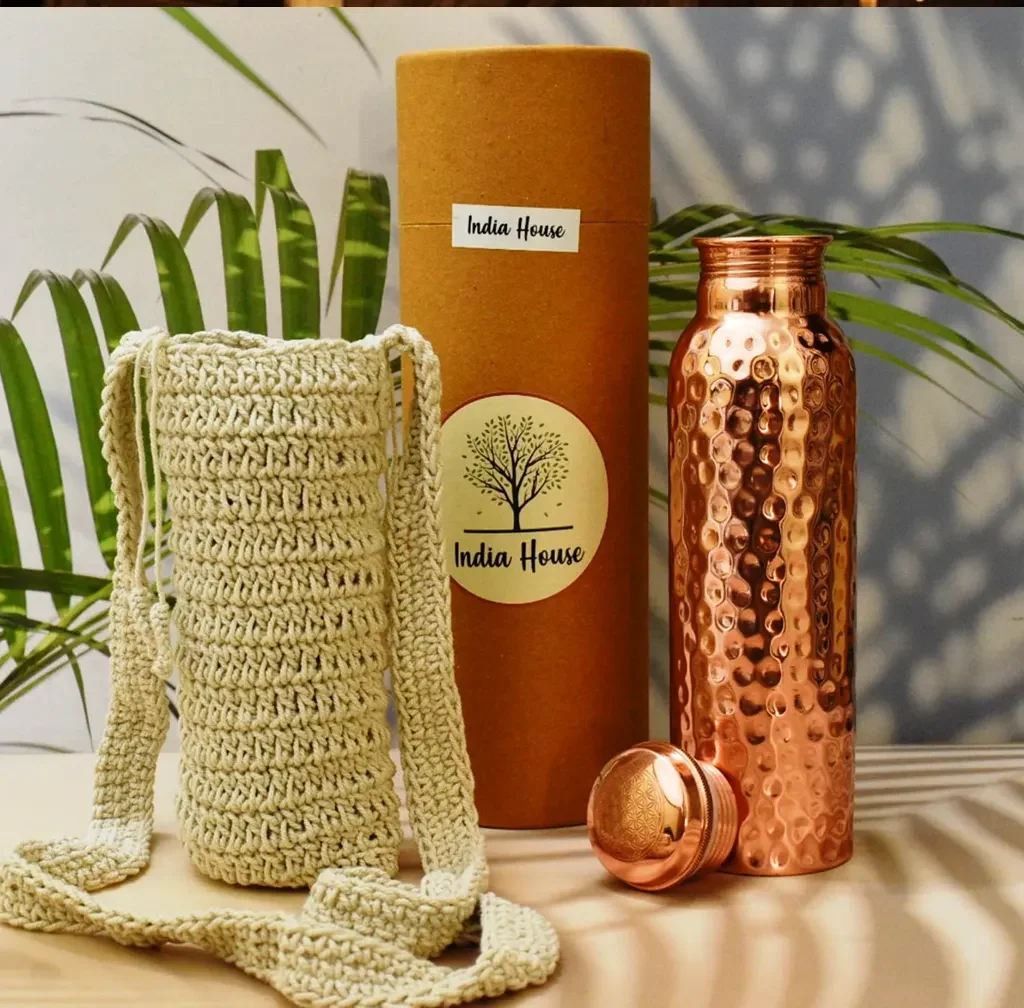
Choosing a high-quality, handmade bottle and following simple care routines allows you to enjoy authentic Indian craftsmanship in your daily hydration. Ready to explore suitable options? Browse the India House Copper Bottle collection or view the Handcrafted Copper Hammered Bottle Set.