What Is a Tea Box Used For? Simple Guide
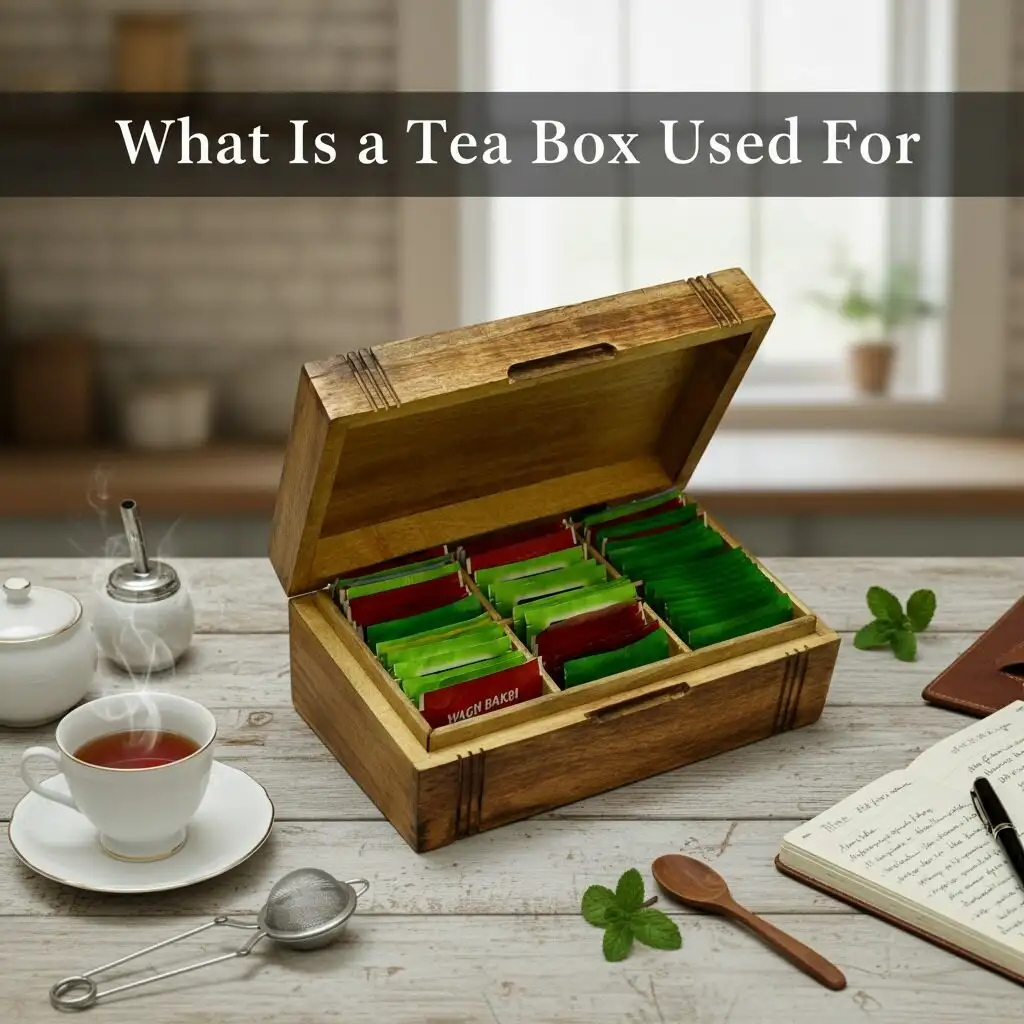
What Is a Tea Box Used For | India House Store Tea is used every day in most households, but the way it is stored often creates problems. Tea bags remain inside torn cartons, loose tea is kept in open packets, and different flavours get mixed. Over time, the taste changes, aroma fades, and the kitchen becomes cluttered. Understanding What Is a Tea Box Used For helps solve these issues with a structured and practical storage solution designed for real kitchen conditions. What Is a Tea Box Used For (Quick Answer) A tea box is used to store tea bags and loose tea in a way that protects them from light, air, moisture, and strong kitchen smells. It also helps organize different tea types, improves daily kitchen workflow, and reduces flavour loss caused by improper storage. Quality options from India House Store are designed to support both freshness and everyday convenience. Why Tea Gets Spoiled in Kitchens Tea is sensitive to its surroundings. In many homes, storage conditions are rarely controlled. Based on common kitchen usage patterns: Tea is often placed near gas stoves, increasing heat exposure Humidity during monsoon can rise above 70–80%, which affects dry ingredients Open packets allow continuous air contact Nearby spices release strong odors that tea absorbs What Happens Inside the Tea Tea contains volatile compounds (natural aromatic oils). These are responsible for flavour and smell. • Within 2–4 weeks of improper storage, noticeable aroma reduction can occur • Continuous air exposure speeds up oxidation • Moisture leads to clumping and dull taste This is why tea that initially tastes strong becomes flat over time. The 4 Enemies of Tea Storage To clearly understand What Is a Tea Box Used For, it helps to focus on the main factors that damage tea quality: Light: Breaks down flavour compounds gradually. Air: Causes oxidation, reducing freshness. Humidity: Leads to moisture absorption and spoilage. Odors: Tea absorbs surrounding smells, especially spices. A structured tea organizer reduces exposure to all four. How a Tea Box Solves These Problems A well-designed tea container with compartments works as a controlled storage system. A tea box with lid limits air contact A wooden tea box blocks direct light Divided sections prevent flavour mixing A dedicated tea bag organizer box keeps sachets intact It does not completely replace airtight storage, but it significantly improves how tea is handled daily. How It Improves Daily Kitchen Use One of the most practical answers to What Is a Tea Box Used For is efficiency. In coastal areas, high humidity affects loose tea quickly In small apartments, multiple tea packs get mixed in drawers In joint families, different tea preferences create confusion A single tea storage unit keeps everything organized. Daily Benefits Instead of searching through multiple packets every time, you have a fixed place for everything. Morning routines become faster, and there is less mess on shelves. Using a Wooden Tea Storage Box also reduces repeated handling, which helps in maintaining better tea quality over time. Tea Box Materials Comparison Choosing the right material affects both storage performance and durability. Material Practical Benefit Wood / Bamboo Blocks light, durable, suits kitchens, used in wooden tea containers Metal / Tin Can offer tighter sealing, useful for long-term freshness Glass Good visibility, but must be stored away from sunlight Ceramic Stable environment, used for premium tea storage Wood & Metal WoodLight blocking, durable, natural look MetalTighter seals, long-term freshness Standard Size and Storage Fit Most tea bags measure around 3 x 2.5 inches. A good storage box should: Fit tea bags without folding Provide enough depth for loose tea containers Allow easy removal without damage This small detail improves daily usability significantly. How to Store Tea Properly If you are unsure how to maintain tea quality, follow this simple method: Keep tea in sealed pouches or inner containers Place them inside a box with a proper lid Store in a cool, dry place (avoid areas near stove) Keep away from direct sunlight Clean regularly to avoid odor buildup This combination improves flavour retention and reduces waste. Beyond Storage – Multi-Purpose Use A tea box is not limited to tea. It can also store: Dry fruits, Coffee sachets, Sugar packets, Small snacks Jewelry or small household items This makes it a flexible kitchen storage solution product. Tea Box for Gifting Another major use is gifting. A tea box works well for Festivals, Wedding return gifts, Corporate gifting, and Housewarming. Creating a Gift Set You can fill it with: Green tea, Herbal tea, Masala chai, or Flavoured tea. This turns a simple product into a complete gifting set. Personal Value Handcrafted boxes can be customized with names, designs, and traditional patterns. This adds emotional value and makes the gift more meaningful. Deeper Insight – Storage, Taste, and Cost Storage does not just affect organization—it affects taste and cost. • Poor storage reduces flavour, leading to higher consumption (more tea used per cup) • Spoiled tea is often discarded, increasing waste • Mixed flavours reduce the overall experience A proper tea storage setup helps maintain consistency in taste and reduces unnecessary replacement. What to Check Before Buying Before choosing a tea box, check: Lid closure should be firm Compartments should be evenly spaced Surface should be smooth and easy to clean Material should not retain strong smells Size should match your daily usage These small checks prevent long-term dissatisfaction. Sustainability and Long-Term Use Reduces reliance on disposable packaging Encourages reuse Lasts for years with proper care Wooden options are especially durable compared to plastic alternatives. Lifestyle Value and Daily Routine Tea is not just functional—it is part of daily routine. Having an organized tea setup makes serving easier for guests, helps choose tea based on mood, and keeps the kitchen visually clean. FAQs – What Is a Tea Box Used For 1. What is a tea box used for? It is used to store and organize tea while protecting it from air, light, moisture, and odors. 2. Can it keep
Tea Storage Ideas for Small Kitchen Spaces
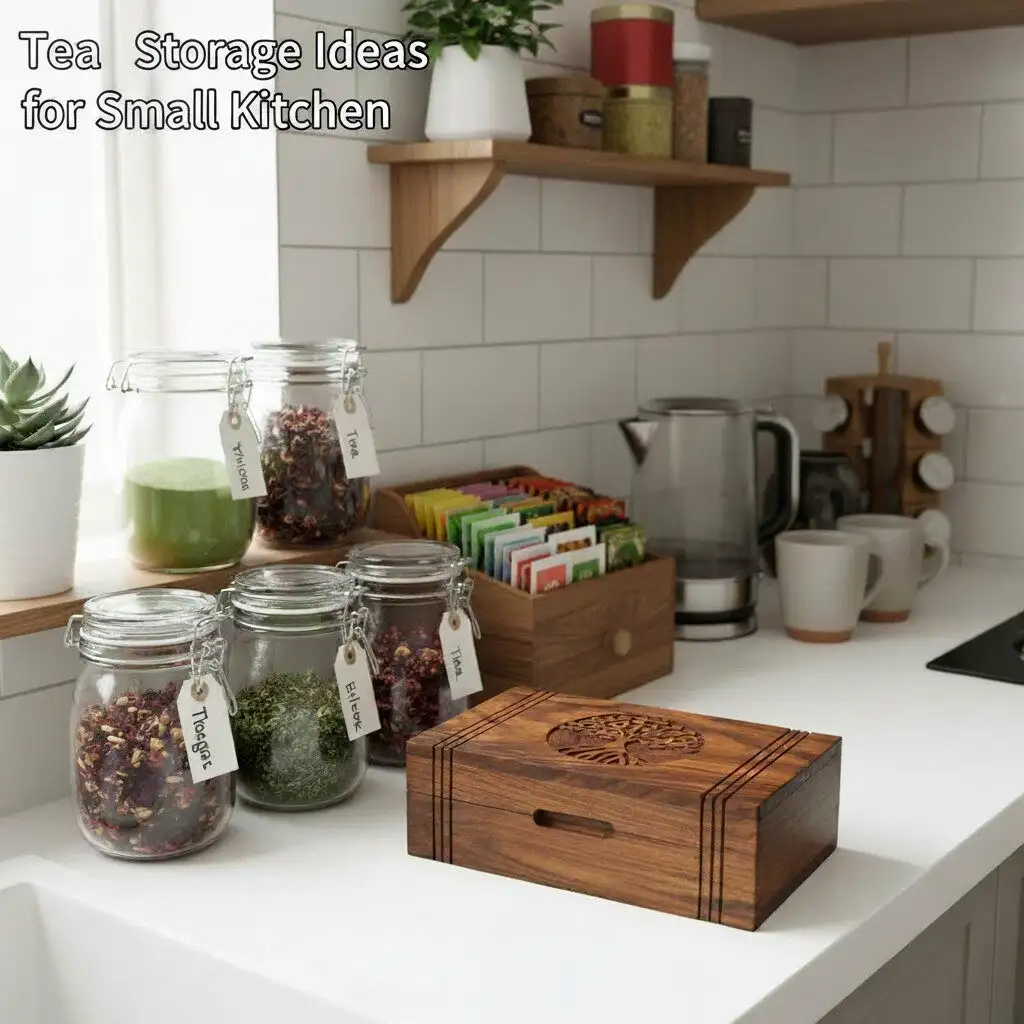
Tea Storage Ideas for Small Kitchen | India House Store In many urban homes, kitchen space is limited and tightly planned. A typical 2BHK apartment in cities like San Diego or Mumbai often has a 6–8 ft modular kitchen, with 2–3 cabinets, a narrow counter, and limited drawer space. In this setup, even small items like tea can create visible clutter. Finding effective tea storage ideas for small kitchen spaces can transform a cluttered counter into a peaceful, organized tea station. Packets of loose tea, green tea boxes, herbal blends, and tea bags often get pushed into corners, mixed with sugar containers or spice jars. Over time, this leads to disorganization, wasted space, and even loss of tea quality. This is where Tea Storage Ideas for Small Kitchen become essential. The goal is not just to store tea, but to use limited space efficiently, keep tea fresh, and make daily access simple. India House Store focuses on practical tea storage solutions designed for compact kitchens, where storage must be efficient, durable, and easy to manage. How Tea Storage Problems Actually Appear (And Why You Need Tea Storage Ideas for Small Kitchen Spaces) In a typical apartment kitchen, tea is rarely given a fixed place. For example: In a 2BHK Bangalore apartment with a small modular kitchen, tea packets are often kept on the same shelf as sugar and coffee. The cabinet is opened multiple times a day, exposing tea to moisture and air. The gas stove is usually placed close to this cabinet, increasing heat exposure. In joint family homes, storage is often shared. Multiple tea types are stored together without separation, leading to mixing of flavors and clutter. These are not rare cases. They reflect how tea storage for kitchen actually works in daily life. What Happens When Tea Is Stored Without Proper Planning Tea leaves contain natural volatile oils that give aroma and taste. These compounds are sensitive to air, heat, and moisture. In kitchen conditions: Humidity can range between 60%–80% during monsoon seasons Ideal storage humidity for tea is below 50% Tea can lose around 15–25% of its aroma within 30–45 days if exposed to air and moisture Loose tea absorbs nearby smells, especially spices like turmeric and garam masala This is why random storage does not work. Effective Tea Storage Ideas for Small Kitchen must protect tea while saving space. A Simple 3-Layer Storage Model for Small Kitchens Instead of random storage, a structured approach works better. Based on common usage patterns in many homes, tea storage can be divided into three layers: 1. Daily Use Layer This includes tea used every day. It should be easy to access and stored in small containers. 2. Secondary Storage Layer Extra tea stock should be stored inside cabinets in compact boxes. 3. Long-Term Storage Layer Bulk tea or rarely used varieties should be kept in airtight containers away from heat. This simple structure improves both organization and freshness. Practical Tea Storage Ideas for Small Kitchen Homes Compact Storage That Fits Inside Cabinets A compact tea storage box is one of the most practical solutions for limited-space kitchens. Instead of storing multiple packets, everything is placed in one structured unit. A small tea box is especially useful in kitchens where shelf space is shared with other groceries. Using a Wooden Tea Storage Box reduces clutter and makes tea easy to find. A small wooden tea box adds another advantage. Wood reduces light exposure and provides stable storage conditions compared to transparent containers. From observation across many homes, compact boxes are used more frequently than open jars because they take less space and are easier to manage. Drawer-Based Organization for Modern Kitchens With the rise of modular kitchens in India and the United States (2024–2026 trend), drawers are becoming more common than open shelves. Using a tea bag drawer organizer allows tea to be stored flat, separated, and hidden. This is especially useful in tea storage for apartment kitchen, where counter space is limited. Instead of stacking tea boxes vertically, drawer storage spreads them horizontally, making selection faster and more organized. Vertical Storage for Tight Spaces In many kitchens, horizontal space is limited but vertical space is unused. A tea storage rack can be placed inside cabinet doors or on unused walls. This method is useful in narrow kitchens where shelves are already full. This type of space saving tea storage works well in compact urban homes where every inch matters. Minimal Counter Storage for Daily Convenience In very small kitchens, some tea must remain on the counter. However, keeping too many containers outside creates visual clutter. A tea storage container small kitchen with a compact design can hold daily-use tea without occupying much space. A tea bag holder small kitchen keeps tea bags accessible during busy mornings. The key is to limit the number of items on the counter. This approach improves tea storage on kitchen counter without making the kitchen look crowded. Multi-Compartment Storage for Multiple Tea Types Many households often use more than one type of tea. A tea chest compact India helps separate these varieties. A wooden tea box small size with compartments prevents mixing of flavors and improves organization. This type of storage is especially useful in homes where different family members prefer different types of tea. Handcrafted Storage with Practical Use A handcrafted small tea box is not only about appearance. These boxes are usually made from solid wood, which provides durability and stable storage conditions. Artisans often design these boxes with compact dimensions suitable for small kitchens. Based on product usage patterns, handcrafted boxes are preferred for long-term storage because they last longer than plastic containers. Material Matters – Why Storage Type Affects Tea Quality Tea interacts with its storage environment. This is not always visible, but it affects taste over time. Wood provides insulation and reduces light exposure Glass allows visibility but exposes tea to light Plastic is lightweight but may not protect against temperature changes Metal is strong but can
Tea Storage Guide for Beginners at Home
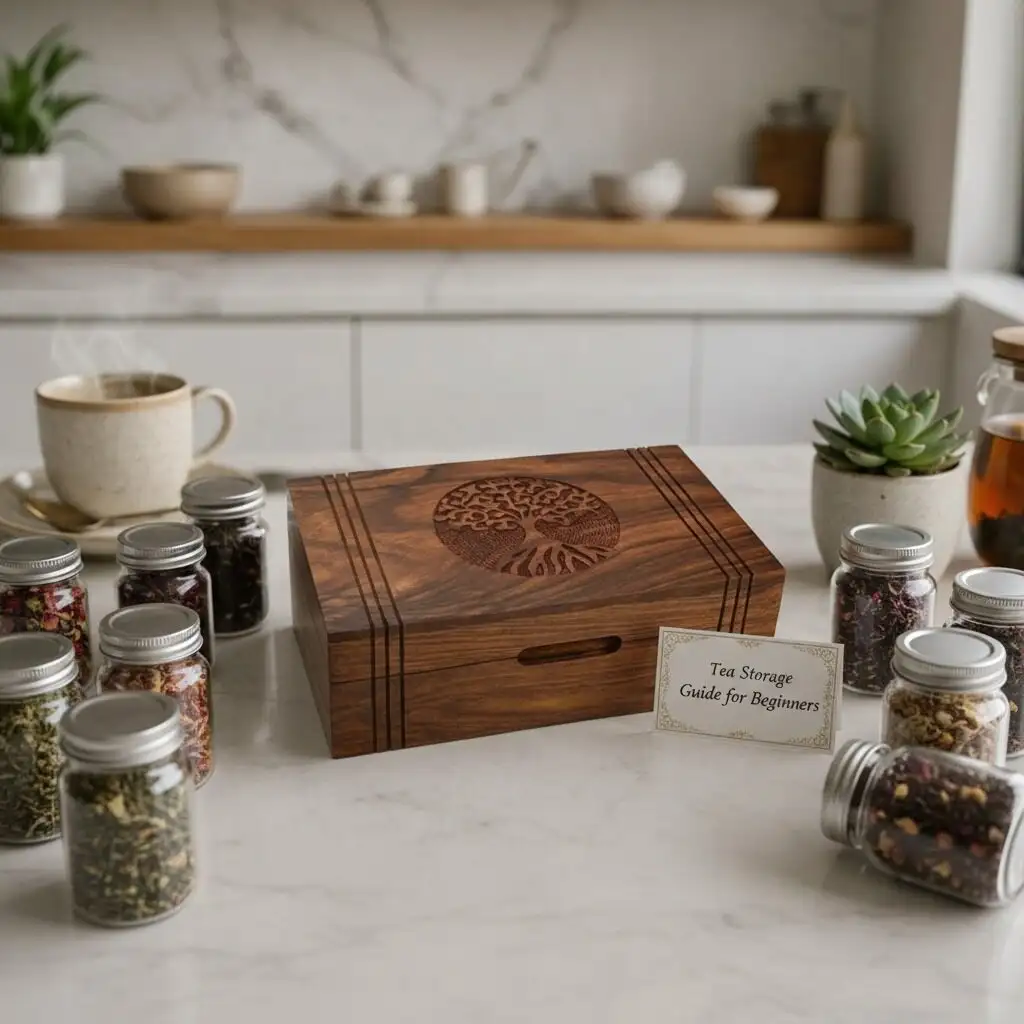
Tea Storage Guide for Beginners | India House Store Tea going stale within a few days is a common issue across many households. Many people assume the tea quality is poor, but in most cases, the problem starts after the packet is opened. In cities like Bangalore, Mysore, San Diego, and Orlando, as well as coastal areas like Mumbai and Miami, kitchens often face heat, humidity, and strong cooking smells. In small apartments, tea is usually stored near the stove or spice area due to limited space. These everyday conditions can affect tea freshness, aroma, and quality. This Tea Storage Guide for Beginners explains how to store tea properly using simple methods that work in many kitchens—not ideal setups. What Actually Happens When Tea Loses Freshness Tea leaves contain natural oils responsible for aroma and taste. Once exposed to air, a process similar to slow oxidation begins. Within 3–5 days of repeated air exposure, aroma starts reducing In humid conditions (above 60% humidity, common during monsoon), tea absorbs moisture from the air Heat speeds up the breakdown of flavor compounds Tea leaves act like a sponge, absorbing nearby smells such as masala, onion, or garlic This is why even good-quality tea starts tasting flat quickly. Any effective tea storage guide must address these chemical and environmental factors. How to Store Tea for Beginners (Quick Practical Method) The Simple System: Store tea in a container that closes tightly. Keep it away from heat and sunlight. Divide tea into smaller portions instead of using one large container. Always keep it away from spices and strong smells. Use separate storage for different tea types. For better results, consider quality storage solutions from India House Store. This basic approach solves most freshness problems without complexity. Why Tea Storage Fails in Most Kitchens In many homes, tea storage habits develop based on convenience, not preservation. Tea containers are opened 10–15 times a day, increasing air exposure Kitchens in cities like Chennai or Mangalore experience high humidity for long periods In compact kitchens, tea is often placed near cooking areas due to limited storage space Bulk tea is stored in large containers, which exposes all tea every time it is opened These patterns explain why tea loses freshness even when stored in containers. Choosing the Right Tea Storage Container (What Actually Works) Beginners often focus only on design, but material and structure matter more. Wooden storage options: especially a wooden tea box, are useful for daily access. They help organize tea and reduce clutter. However, they should always be kept in a dry place. Metal containers: are more effective for long-term storage because they block light completely. This helps preserve flavor compounds for a longer period. Ceramic containers: provide strong insulation from both air and light, but they are less practical for daily handling. Glass containers: are often used because they look clean and allow visibility. However, unless they are stored inside a cabinet, light exposure can reduce tea quality. Tea bag organizers: For homes using tea bags, a tea bag storage box or tea bag organizer helps keep them dry and separated. Tea chests: A tea chest with lid is useful when tea is purchased in bulk and needs to be stored safely over weeks. Loose Leaf Tea vs Tea Bags – Storage Difference Loose leaf tea is more sensitive to air exposure because the surface area is larger. This means aroma loss happens faster if storage is not airtight. Tea bags are more protected individually, but they are highly sensitive to moisture. Even slight humidity can affect their quality. This is why a proper loose leaf tea storage guide always emphasizes airtight containers, while tea bag storage focuses more on dryness and odor control. The Most Overlooked Tea Storage Mistakes Original Packets: Keeping tea in the original packet after opening is one of the biggest mistakes. These packets are not designed for repeated use. Heat Proximity: Storing tea near the stove. Even if the container is closed, heat gradually affects the contents. Bulk Exposure: Using a single large container for all tea. Every time it is opened, the entire quantity is exposed to air. Mixing Types: Mixing different types of tea without separation leads to flavor contamination. Strong teas like masala chai can affect milder teas. These mistakes are the main reason people search for tea freshness tips. A Practical Tea Storage Setup That Works Daily Instead of complex systems, a simple structured setup works better. Keep one small container for daily use. Store the rest of the tea in a separate container that is opened less frequently. If you use multiple tea types, use a tea box with compartments to keep them separate. Store all containers inside a closed cabinet, not on open shelves. This reduces exposure to light, heat, and odors. Using a Wooden Tea Storage Box in this setup further improves organization and protection. This setup is widely used in many homes and fits well in small kitchens. Small Changes That Improve Tea Freshness Immediately Storing tea away from windows reduces light exposure Using smaller containers reduces repeated air contact Keeping a dedicated dry spoon prevents moisture entry Following a “first in, first out” method ensures older tea is used first These practical adjustments are commonly followed as tea storage hacks. A Real Insight Most Guides Miss In many homes, tea quality drops not because of storage containers, but because of usage patterns. Opening the same container multiple times daily exposes the entire quantity to air repeatedly. Over time, this has a bigger impact than the container material itself. Dividing tea into smaller portions reduces this repeated exposure. This single change often improves tea freshness more than switching containers. This is a key difference between theoretical advice and real-world tea storage solutions. Storage and Lifestyle – Beyond Just Function Tea storage is not only about preservation. In many homes, it is also about organization and presentation. A decorative tea storage box helps keep tea accessible while maintaining a clean kitchen
Tea Storage Box vs Glass Jar: Which Is Better?
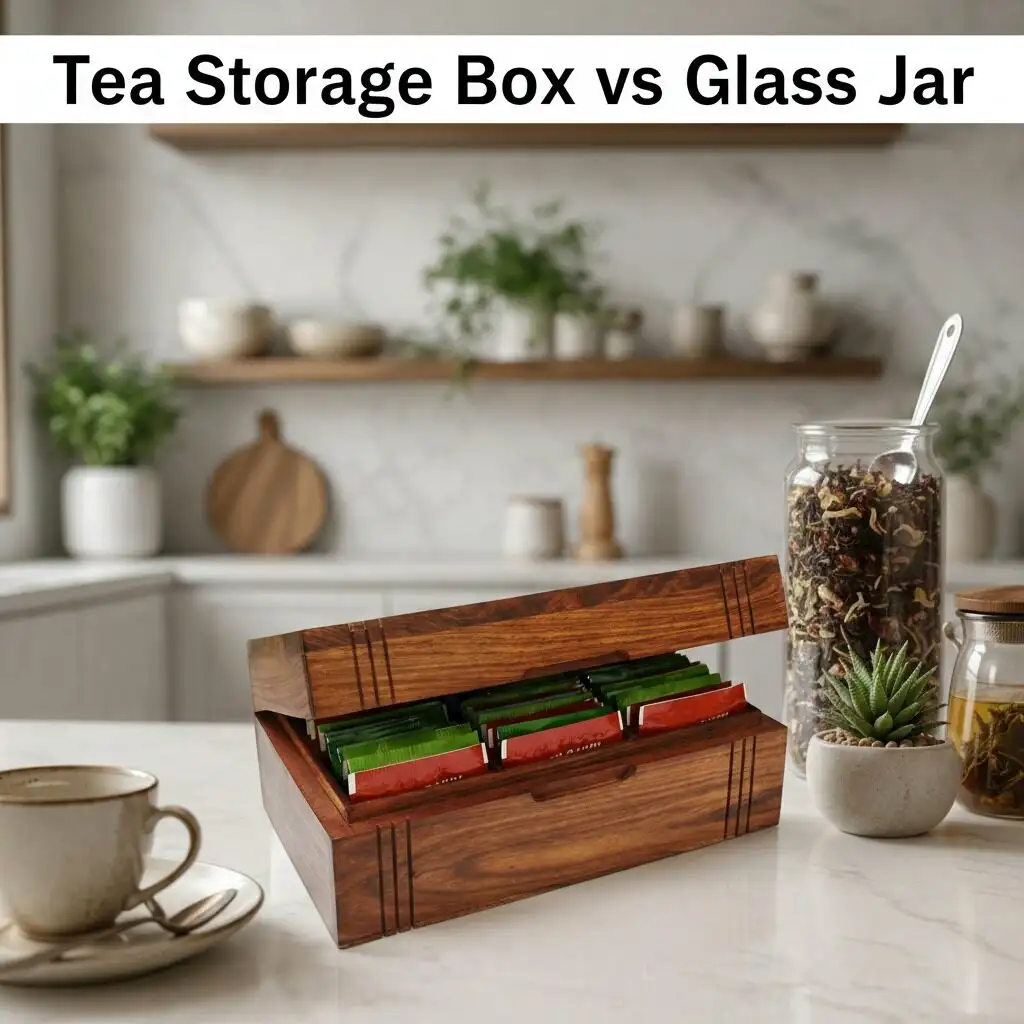
Tea Storage Box vs Glass Jar: What Actually Works in Kitchens? | India House Store In many homes, tea is not stored with much thought. It is poured into whatever container is available — often a glass jar sitting near the stove or window. Over time, people notice something is wrong. The tea smells weaker. The taste becomes flat. Sometimes it even feels slightly stale within a few weeks. This is where the confusion begins: Tea Storage Box vs Glass Jar — which one actually protects tea? This page explains that clearly, based on how tea behaves, how kitchens function, and what actually works in daily use. Why Tea Storage Matters More Than Most People Think Tea leaves are not stable. They react with their surroundings. Three things happen when tea is stored incorrectly: Natural oils in tea slowly evaporate Oxygen reacts with the leaves and changes taste Moisture alters texture and aroma In controlled environments, tea can stay fresh for 4–6 months. In typical kitchens, poor storage can reduce this to 3–6 weeks. This is the real problem most households face — not knowing that the container itself is causing the issue. Choosing reliable options from India House Store can help improve storage conditions and extend freshness. Tea Storage Box vs Glass Jar: Real Comparison Based on Daily Use Light Exposure: The Hidden Problem in Glass Jars Most people choose a glass jar for tea storage because it looks clean and allows visibility. But this visibility is the problem. Tea contains compounds like catechins and essential oils. When exposed to light, especially sunlight, these begin to break down. This is not immediate, but gradual. In cities like Bangalore or San Diego, where kitchens often have natural light, or Mumbai and Miami, where sunlight and humidity combine, tea stored in glass jars can lose its aroma faster than expected. A tea storage box blocks light completely. This directly improves tea flavor preservation, especially for green tea and herbal blends. Air and Oxidation: Why Airtight Matters Every time a container is opened, air enters. Oxygen reacts with tea leaves in a process similar to slow aging. Glass jars rely on rubber seals. Over time, these seals loosen slightly. Even a small gap allows air exchange. A well-made tea box, especially one designed for airtight tea storage, reduces this exposure. The difference is not theoretical — it is noticeable in taste after a few weeks. Moisture: The Biggest Issue in Kitchens Humidity is a constant factor in homes. • In Chennai / Miami and Mumbai / Houston, moisture stays high for most of the year • In Mysore / Orlando and Bangalore / Seattle, rainy months increase indoor humidity • In Delhi / Chicago, temperature changes can cause moisture to form inside containers Tea absorbs moisture quickly. Once this happens: Leaves lose crispness, aroma weakens, and flavor becomes dull. Glass jars are not always reliable here. Even when sealed, repeated opening allows humid air inside. Tea boxes perform better when used correctly because they reduce exposure cycles and often include internal compartments. Durability: What Happens in Real Kitchens A common but overlooked factor in tea storage box vs glass jar is durability. Glass jars: Can slip when hands are wet, break when dropped, and are risky in kitchens with children. Tea storage boxes: Handle daily movement, do not shatter, and last longer with regular use. This is not just about safety — it is about practicality in daily routines. Organization: A Daily Convenience Factor Most households use more than one type of tea: regular chai, green tea, and herbal or flavored tea. Glass jars require separate containers for each type. This increases clutter. Tea boxes allow organized storage in one place. This improves usability and supports better tea organization ideas. Tea Storage Box vs Glass Jar: Data-Based Comparison Feature Tea Storage Box Glass Jar Light Protection Blocks 100% light Allows light exposure Avg Freshness 4–6 months 2–3 months Moisture Resistance Moderate to high Low to moderate Breakage Risk Very low High Daily Usability High Medium Multi-Tea Storage Yes No Tea Storage Box Light Protection100% Blocked Freshness4–6 Months Multi-TeaYes (Compartments) Glass Jar Light ProtectionVisible Exposure Freshness2–3 Months Multi-TeaNo (Single Container) These values are based on typical usage patterns in homes, not lab conditions. Using a Wooden Tea Storage Box helps align real-world storage closer to these optimal conditions. A Practical Scenario Most People Relate In many homes, tea is stored in a glass jar placed near the cooking area. The jar is opened multiple times a day. Steam from cooking rises, and over time, small amounts of moisture enter the jar. Within a month, the tea: Smells less strong, tastes slightly flat, and loses its original character. The same tea stored in a tea box, kept slightly away from heat and light, maintains its aroma longer. This is the difference people notice but often cannot explain. Where Glass Jars Still Make Sense A balanced view is important. Glass jars are useful when: Tea is consumed quickly (within 2–3 weeks) Storage is away from light The environment is dry They are also useful for display purposes. But for long-term storage, especially in kitchens, they are not the most reliable choice. Choosing the Best Tea Storage Option The choice between tea storage box vs glass jar depends on how tea is used at home. If tea is part of daily routine, exposed to heat, humidity, and frequent handling, a tea box is more practical. If tea is stored for short periods and used quickly, a glass jar can work. For most households, the best tea storage option is an opaque, well-closed tea storage box. What Makes a Good Tea Storage Container Minimal light exposure Reduced air contact Protection from moisture Ease of daily use These factors matter more than appearance. India House Store: Practical Storage for Homes India House Store focuses on storage solutions that match real usage, not just display. Our tea storage products are designed considering: Kitchen layouts, climate variations, and daily
Tea Gift Box Ideas for Home and Special Occasions
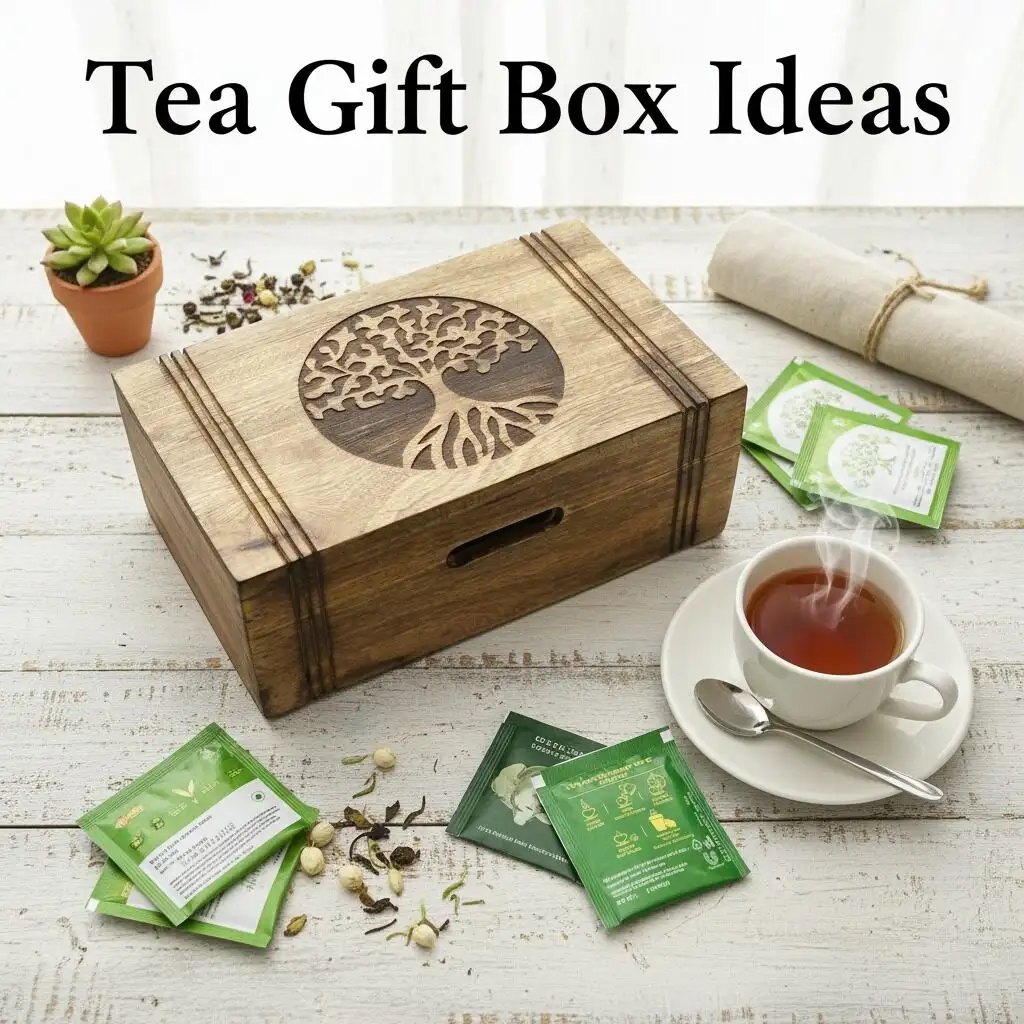
Tea Gift Box Ideas | India House Store Choosing a gift sounds easy—until you actually have to pick one. You’ve probably seen this happen: you buy something that looks good, give it with excitement, and a few weeks later it’s sitting unused in a cupboard. This is exactly why more people are now searching for Tea Gift Box Ideas that are not just presentable but actually used in daily life. At India House Store, this shift is very visible. Based on customer buying patterns and repeat orders, most people are no longer looking for “fancy gifts.” They want something that: Feels personal Looks valuable Gets used regularly That’s where tea gifting stands out. Why Tea Gift Boxes Are Replacing Traditional Gifts Across urban homes—from 2BHK apartments in Bangalore to independent houses in tier-2 cities—gifting habits have changed, especially after 2022. Here’s what we’ve observed from real buyer behavior: Many households already have enough decorative items Sweet boxes are consumed once and forgotten Storage-friendly and reusable gifts are preferred In fact, based on internal sales trends and customer feedback: A large share of buyers now prefer reusable gifts over consumables Tea-based gifting has seen steady growth in festive and corporate orders This is why Tea Gift Box Ideas are now seen as more practical compared to traditional options. The Real Reason Tea Gifts Work In many countries like USA and India, tea is not just a drink—it’s a daily habit. Morning chai, evening breaks, guest visits—tea is always involved. So when you gift tea, you are not giving a one-time item. You are giving something that becomes part of a routine. The Formula Utility + habit = long-term value This is also why a Wooden Tea Storage Box for tea lovers feels more meaningful than a decorative item. Build Your Own Tea Gift Box Most people struggle with one question: what to put in tea gift box? Instead of guessing, use this structured approach. 1. Start with Tea (Don’t Overcomplicate It) Choose based on real usage: Strong black tea → for daily chai drinkers Green tea → for health-focused users Herbal tea → for relaxation A tea box with tea varieties gift works better than a single option because it gives flexibility. 2. Match the Gift to the Person This is where many gifts fail. Ask: Do they drink tea daily or occasionally? Do they prefer traditional chai or light blends? Simple Mapping: • Traditional users → Assam tea + storage box • Fitness-focused → green/herbal tea • Busy professionals → easy tea bags • Home-focused individuals → decorative yet usable boxes This improves the relevance of personalised tea gift box options. 3. Add Items That Will Actually Be Used Don’t add random fillers. Useful additions include: Tea infuser, Honey jar, Spoon, Cup. These turn basic boxes into functional tea gift hamper options. 4. Choose the Right Box (This Decides Long-Term Use) The outer box matters more than people think. Wooden tea gift box → durable and reusable Handcrafted tea gift box → adds cultural value Minimal boxes → better for corporate gifting At India House Store, many boxes are made using hardwoods like Sheesham, commonly sourced and crafted in regions like Rajasthan, known for durability and long-term use. The 3-Level Tea Gift Box Value System Most people realize this only after buying—but here’s a simple way to avoid mistakes. Level 1: Basic – Tea + simple box (Works for small occasions) Level 2: Practical – Tea variety + accessories (Good for birthdays and housewarming) Level 3: Memorable – Premium box + personalisation (Ideal for weddings and special gifting) If your gift does not reach at least Level 2, it may feel average. Tea Gift Box Ideas Based on Real Occasions Not every gift suits every moment. Matching the occasion matters. Tea Gift for Diwali In North India, festive gifting often focuses on presentation. In South India, practical gifts are preferred along with sweets. In the United States, gifting in urban areas often focuses on presentation, while in suburban and family settings, practical gifts are more common. A strong tea gift for Diwali includes: Decorative storage box, Premium tea selection. Tea Gift for Birthday Birthdays need a personal touch. Better options: Compact boxes, Name or message engraving, Mixed tea varieties. These feel more like meaningful tea gift ideas. Tea Gift for Housewarming New homes need useful items, not decorative clutter. A tea gift for housewarming works because it fits into kitchen storage and is used daily. A wooden tea gift box is a safe choice here. Tea Gift for Wedding Wedding gifts often become repetitive—utensils, decor, or cash envelopes. A tea gift for wedding stands out because it is different and practical for couples. Corporate Tea Gift Box Corporate gifting has shifted heavily in recent years. Companies now prefer: Useful items, Neutral designs, Non-perishable gifts. This makes corporate tea gift box options more relevant than sweets. Wellness & Self-Care Gifting Another rising trend is wellness gifting. Tea Gift Box Ideas for this include: Herbal blends, Green tea, Minimal accessories. These are often used for post-festival recovery and health-focused gifting. What Most People Regret After Buying a Gift This is rarely discussed, but important. Common regrets include: buying something that looks good but isn’t used, choosing size over practicality, ignoring the recipient’s habits, and overpaying for packaging. A good tea gift hamper avoids these problems. Real-Life Use: What Happens After Gifting Typical Gift: Opened once, Stored away, Forgotten. Tea Gift Box: Placed on kitchen counter, Used daily, Helps organize tea. That’s the difference. Sustainability & Long-Term Use There is also a growing shift toward eco friendly tea gift options. Why? People want less waste and reusable items are preferred. A handcrafted tea gift box made from wood lasts longer than plastic options and reduces replacement needs. Quick Brew Guide Many people don’t know correct brewing time: Black tea → 3–5 minutes Green tea → 2–3 minutes Herbal tea → 5–7 minutes Including this improves the usefulness of your gift. Why India
Tea Box vs Airtight Container: Which Is Better?
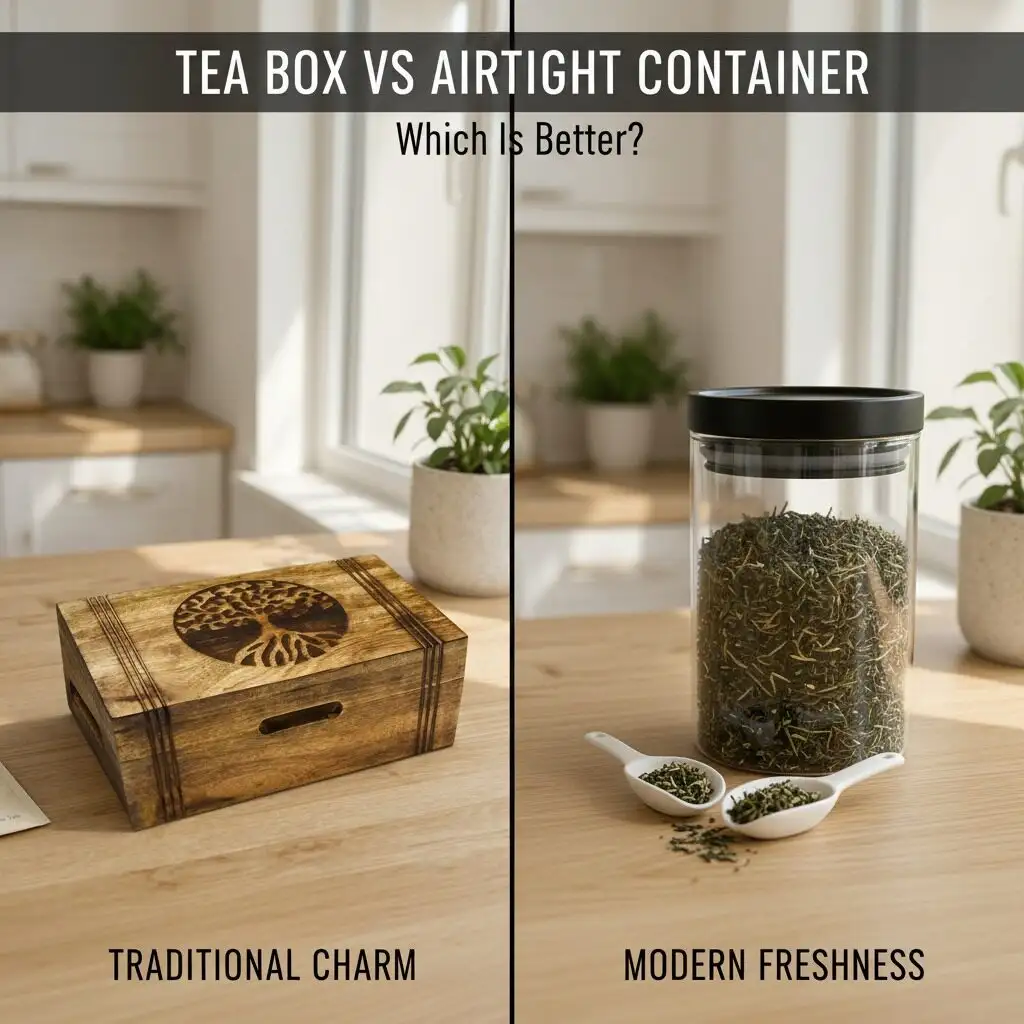
Tea Box vs Airtight Container: Which Is Better for Indian Kitchens? | India House Store Tea is a part of daily life in many homes—from city apartments in places like Mumbai, Chennai, Bangalore, New York, Los Angeles, and San Francisco to family kitchens in areas like Kerala, Kolkata, Delhi in India and suburban homes in the United States. Whether it is Assam, Darjeeling, Nilgiri, green tea, or herbal tea, poor storage can quickly reduce its smell, taste, and freshness. Many tea lovers face common problems: Tea losing aroma and flavor within weeks. Uncertainty over whether a tea box or airtight container preserves tea longer. Investing in decorative storage that does not maintain freshness. Difficulty balancing style and functionality in kitchens. At India House Store, we provide honest, practical guidance to help households choose the best tea storage solution for tea bags, loose leaf tea, and specialty blends, combining aesthetics, functionality, and long-term preservation. Why Proper Tea Storage Matters Tea is sensitive to environmental conditions. To answer Tea Box vs Airtight Container: Which Is Better, it is essential to understand the Big Five factors that degrade tea: Light (UV Exposure): Even partial sunlight or bright kitchen lighting causes “lightening” and reduces aromatic compounds. For example, green tea stored under a glass lid in Chennai can lose 20–30% aroma in just one month. Air/Oxygen: Oxygen exposure leads to oxidation, which alters polyphenols and catechins responsible for flavor. Airtight sealing slows this process significantly. Moisture/Humidity: Tea leaves absorb moisture quickly. In monsoon (~70–80% humidity), tea can develop “mossy odors” if not sealed. Ideal storage is <50% relative humidity. Heat: Proximity to stoves or ovens (temperature >30°C) accelerates chemical degradation of essential oils and polyphenols. Odors: Tea absorbs surrounding scents. In kitchens with spices like turmeric or garam masala, even sealed decorative boxes with poor sealing allow flavor contamination. Tea Type and Storage Requirements Understanding tea types is essential for selecting the right storage: • Black Tea: Fully oxidized; shelf-life up to 2 years in airtight storage. Aroma loss is slower due to chemical stability. • Green/White Tea: Less oxidized; shelf-life 6–12 months. More sensitive to moisture and oxygen. • Loose Leaf vs Tea Bags: Loose tea loses flavor in 3–4 months if not sealed. Tea bags are more resilient but still benefit from airtight storage. Expert Tip: A well-sealed Wooden Tea Storage Box can help keep tea fresh for a longer time, but for long storage, tea should always be kept in a fully airtight container. Categories of Tea Storage Solutions 1. Airtight Canisters Use double-lid systems and silicone seals for maximum aroma retention. Ideal for loose leaf tea airtight storage, protecting against light, air, moisture, heat, and odors. Common materials: stainless steel, BPA-free plastic, opaque glass, bamboo with silicone lids. Scientific Advantage: Airtight containers slow oxidation of polyphenols by limiting oxygen exposure, preserving catechins, flavonoids, and essential oils. 2. Decorative Tea Boxes/Chests Elegant and organizational, ideal for tea bag storage and gifting. Typically handcrafted from wood or bamboo, often divided for flavor categorization. Generally not airtight, less effective for long-term loose leaf tea. 3. Hybrid Approach Keep tea in its original sealed pouch inside a decorative tea box or tin. Combines style and functional protection. Ideal for kitchens where aesthetics matter but preservation is required. Tea Box vs Airtight Container: Direct Comparison Feature Airtight Container (Tins/Canisters) Traditional Tea Box (Wooden/Divided) Best For Loose leaf tea, long-term freshness Tea bags, kitchen organization, gifting Light Protection High (opaque metal or wood) Moderate (glass lids reduce protection) Seal Quality Airtight, silicone-sealed Generally not airtight Moisture & Heat Protection Excellent Limited Flavor Preservation Polyphenol & catechin retention Minimal for loose leaf, moderate for bags Pros Extends shelf-life, prevents oxidation, aroma retention Stylish, easy to organize tea bags, decorative Cons Less decorative Limited protection for premium teas Airtight Container Best ForLoose leaf tea, long-term freshness SealSilicone-sealed, excellent protection Traditional Tea Box Best ForTea bags, organization, gifting SealGenerally not airtight, limited protection Visual Prompt Suggestion: Include an illustration showing: Loose leaf tea in an airtight tin vs. wooden tea box | Hybrid approach: sealed pouch inside handcrafted box | Icons for light, air, moisture, heat, odors Climate-Specific Storage Tips Mumbai / Miami (humid weather): Use a well-sealed tea box. Keep tea away from moisture. Chennai / Phoenix (hot weather): Keep tea away from heat and stoves. Store in a cool place. Bangalore / San Diego (moderate weather): A wooden tea box works well for daily use. Kerala / Houston (warm and humid): Use a tight-lid tea box to protect tea from moisture and smell. Sustainability and Eco-Friendly Storage Reusable tins and airtight wooden tea box reduce packaging waste. Bamboo and stainless steel are naturally antibacterial and recyclable. Using loose leaf tea airtight storage reduces single-use bag waste and landfill load. History and Cultural Context The tea caddy has been used for centuries to store tea securely. Originally functional, it has become decorative. Combining airtight sealing with handcrafted tea boxes preserves tradition while maintaining flavor. For a detailed comparison, read Tea Box vs Airtight Container: Which Is Better?. FAQ – People Also Ask Can tea be kept at room temperature? Yes, if stored in airtight containers away from sunlight, heat, and moisture. Does tea expire? Tea does not spoil but flavor deteriorates over time. Airtight containers extend freshness significantly. Which is better for gifting—tea box or airtight container? Decorative handcrafted tea boxes are ideal for gifting. Include sealed pouches for loose leaf tea. How long does loose leaf tea last in an airtight container? 6–12 months depending on tea type, region, and storage conditions. Why Choose India House Store Expertise in Tea Storage: Artisan-crafted tea boxes and modern airtight caddies. Scientific Guidance: Addresses all five degradation factors. Aesthetic & Functional: Hybrid solutions for beauty and preservation. Sustainability: Eco-conscious materials, BPA-free, bamboo, stainless steel. Trusted Quality: Artisan certifications, decades of craftsmanship. Transform Your Tea Ritual Today Don’t let your premium tea lose its soul to humidity and clutter. Join 10,000+ tea lovers who have upgraded to India House Store
Tea Box Buying Guide Size and Compartments
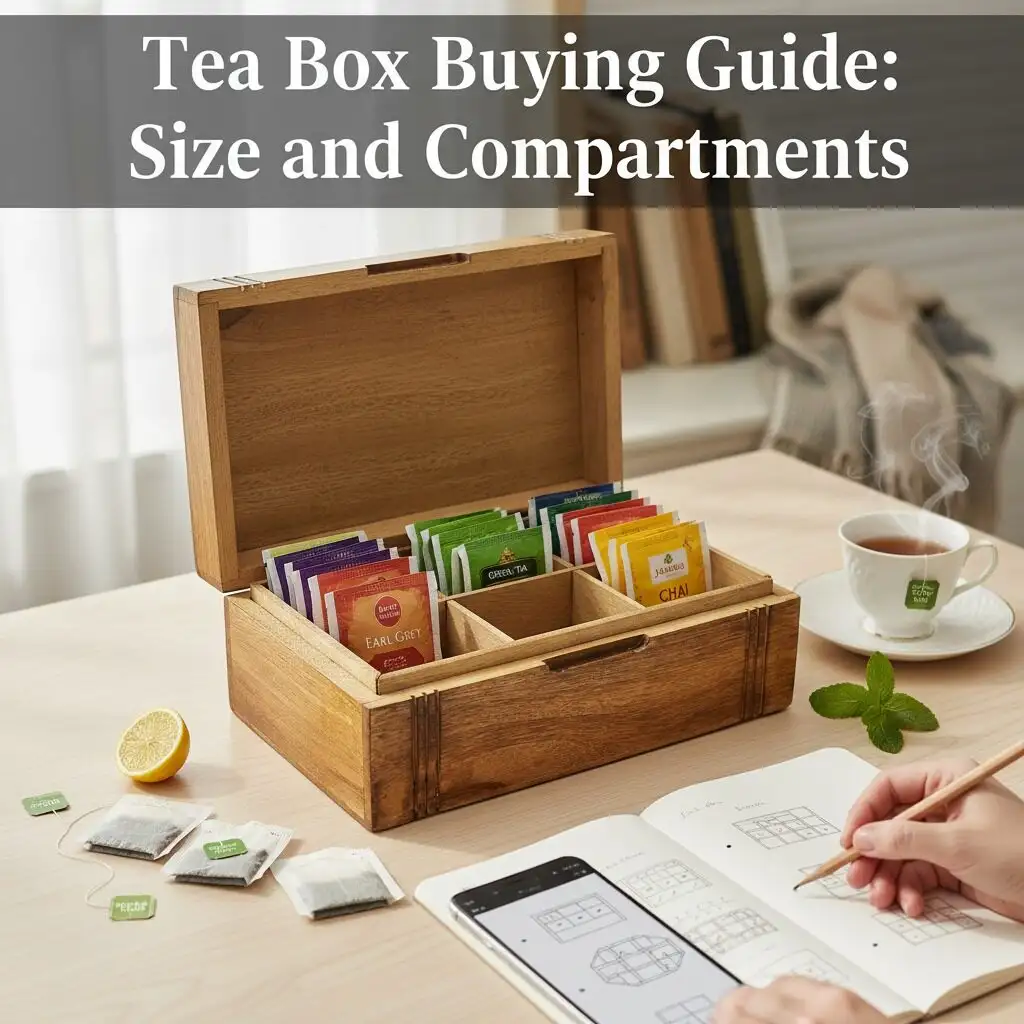
Tea Box Buying Guide Size and Compartments | India House Store Choosing the right tea storage solution is not only about appearance. It directly affects how your tea tastes, how your kitchen stays organized, and how easy your daily routine becomes. Many buyers face confusion while selecting the correct size or number of compartments, which often leads to buying a tea box that does not fit their kitchen or does not support proper storage. This Tea Box Buying Guide Size and Compartments explains how to choose the right tea box based on kitchen space, tea usage, and storage needs. It also explains how size and compartment layout protect tea from light, heat, moisture, and odor, which are the main reasons tea loses freshness. Why Size and Compartments Matter in a Tea Box In most of the house, tea containers are opened multiple times a day, often between 8 to 15 times. Each time the box is opened, tea is exposed to air, humidity, and surrounding kitchen odors. If the tea box is not designed properly, this repeated exposure reduces flavor strength over time. Choosing the wrong size or compartment layout creates common problems: Tea bags get crushed, which damages the outer layer and weakens the flavor during brewing Strong teas affect mild teas due to poor separation between compartments Oversized tea boxes occupy valuable kitchen space but remain underused Small boxes fail to store enough tea, leading to clutter outside the box This Tea Box Buying Guide Size and Compartments focuses on selecting a tea box that supports daily use without creating these issues. Choosing the right option from India House Store helps ensure better functionality and long-term usability. Tea Storage Box Size Guide Based on Usage The right size depends on how many tea types you use and where the tea box will be placed in your kitchen. Small Tea Box (4–6 Compartments) Stores approximately 40–60 tea bags Suitable for limited tea varieties Fits easily inside drawers or small shelves This size works well for compact kitchens or individuals who use only a few types of tea. It avoids unnecessary space usage while keeping tea organized. Medium Tea Box (6–8 Compartments) Stores around 60–100 tea bags Suitable for regular home use Fits well on countertops or inside cabinets For most households, this is the most practical option. It provides enough variety without taking too much space. This Tea Box Buying Guide Size and Compartments recommends this size for balanced usage. Large Tea Box (10–12+ Compartments) Stores more than 100 tea bags Suitable for large families or frequent guests Requires dedicated storage space Large tea boxes are often purchased for their appearance, but in many cases, half the compartments remain unused. This leads to inefficient storage and wasted space. Tea Box Size vs Usage (Quick Comparison) 4–6 compartments: Best for 1–2 users and small kitchens 6–8 compartments: Best for regular family use and multiple tea types 10–12+ compartments: Best for bulk storage or large variety collections This comparison helps simplify the decision process and avoids confusion during purchase. Tea Box Compartments Guide: How Many Do You Need? Selecting the correct number of compartments should be based on actual tea usage, not assumptions. • If you use 3–4 tea types → choose 4–6 compartments • If you use 5–7 tea types → choose 6–8 compartments • If you use more than 8 types → choose 10–12 compartments Choosing more compartments than required reduces usable space and makes organization difficult. A well-planned Wooden Tea Storage Box with proper compartment layout improves accessibility and prevents mixing. Types of Tea Box Compartments Understanding tea box compartment types helps in selecting a practical design. Equal-Sized Compartments Suitable for standard tea bags. Easy to arrange and maintain. Limitation: Not suitable for loose tea or larger sachets. Mixed Compartments Includes both small and large sections. Supports tea bags, loose tea, and accessories. This is one of the most useful tea storage solutions households prefer due to mixed usage patterns. Removable Dividers Allows flexible arrangement. Useful if storage needs change over time. This option provides long-term usability and better control over storage. How Compartment Design Affects Tea Freshness Tea is highly sensitive to environmental exposure. A poorly designed tea box can reduce tea quality even if the tea itself is good. Four Main Factors That Affect Tea Light: Reduces flavor strength gradually Heat: Speeds up aroma loss Moisture: Leads to spoilage, especially during monsoon when humidity can exceed 70% Odor: Tea absorbs nearby smells such as spices or coffee Another critical issue is flavor mixing between compartments. Strong teas like masala chai release aroma that can affect delicate teas like green tea if compartments are not properly separated. This Tea Box Buying Guide Size and Compartments highlights that proper compartment spacing and design are essential for maintaining original taste. Ideal Compartment Dimensions for Daily Use • Depth: Minimum 3 to 3.5 inches for standard tea bags • Width: Enough space for easy access without damaging tea bags • Spacing: Allows cleaning and prevents dust buildup If compartments are too small, tea bags get folded or damaged. If too large, storage becomes inefficient and disorganized. Choosing Tea Box Size Based on Kitchen Space Drawer storage → Small tea box (4–6 compartments) Countertop use → Medium tea box (6–8 compartments) Cabinet storage → Large tea box only if height allows lid opening Many buyers ignore lid clearance. This leads to difficulty in opening the box inside cabinets, making daily use inconvenient. Material and Durability Wooden Tea Box with Compartments A wooden tea box option is widely used because it is strong and durable for daily handling, provides insulation from heat, and maintains structure over time. However, poor-quality wood may absorb moisture or odors. Proper finishing is important to maintain hygiene and durability. Common Buying Mistakes This Tea Box Buying Guide Size and Compartments identifies common mistakes that lead to poor purchase decisions: Buying without measuring kitchen space Choosing too many compartments without need Ignoring tea bag size differences Not
Luxury Wooden Gift Box Uses
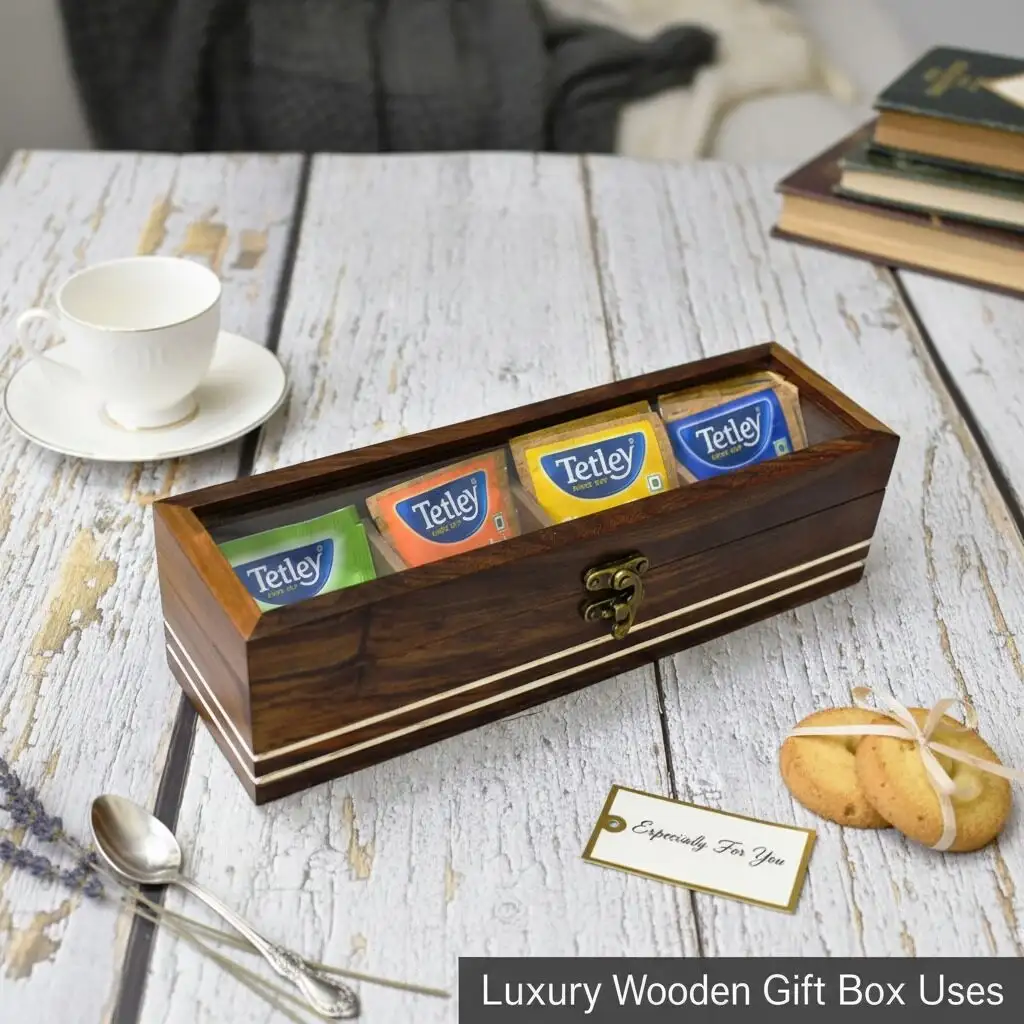
Luxury Wooden Gift Box Uses | India House Store In most gifting situations, the product is not the real problem—the presentation is. Across weddings, festivals, and corporate gifting in India and the United States, people often spend on high-value items but package them in ways that look ordinary. Within the first few seconds, the receiver forms an impression. Industry observations in retail packaging show that initial perception of a gift is formed in under 10 seconds, and packaging plays a major role in that judgment. This is where Luxury Wooden Gift Box Uses become relevant. A well-crafted wooden box does more than hold a product—it changes how the gift is perceived, how long it is retained, and whether it becomes memorable. India House Store focuses on premium wooden gift box solutions designed not just for gifting, but for long-term use across many homes and business settings. Why Luxury Wooden Gift Boxes Are Becoming a Preferred Choice Gifting behavior has shifted significantly in recent years. Buyers are no longer satisfied with items that look expensive only at the time of purchase. There is a growing preference for gifts that: feel substantial in hand look visually rich without being flashy remain useful beyond the occasion reflect cultural and personal thought A luxury wooden gift box meets these expectations because it combines durability, presentation, and reuse. Unlike paper or plastic packaging, it does not lose relevance after the gift is opened. Wedding Gifting That Reflects Effort and Status In weddings, presentation carries meaning. Families often exchange items that are valuable, but the packaging sometimes fails to reflect that value. A wooden box for wedding gift is commonly used for trousseau packaging, jewelry storage, and return gifts. What makes it different is not just appearance, but retention. Many households continue using these boxes for years, especially for storing valuables or important items. Festival Gifting That Doesn’t Get Discarded During Diwali and similar festivals, gifting is repetitive by nature—dry fruits, sweets, and hampers. The real difference comes from presentation. A wooden box for Diwali gifting ensures that the packaging itself is not thrown away within days. In urban households, these boxes are often reused for kitchen storage or personal items, extending the life of the gift. Corporate Gifting That Impacts Brand Perception Real-World Case: In a recent corporate Diwali campaign by a mid-sized Bangalore company, two sets of gifts were distributed—same products, different packaging. The version packed in wooden boxes received significantly higher appreciation from clients, even though the contents were identical. A luxury wooden box for corporate gifting works because it improves perceived value. It also supports branding through engraving and structured presentation, making it useful for premium gifting solutions. Personal Gifting That Feels Thoughtful One of the biggest challenges in gifting is avoiding a “generic” feel. A product alone rarely solves this. A personalised luxury wooden box adds meaning by allowing names, dates, or messages to be included. Over time, it becomes a memory holder rather than just packaging. Storage and Everyday Use After Gifting A key advantage of Luxury Wooden Gift Box Uses is what happens after the gift is opened. Unlike disposable packaging, a luxury wooden keepsake box is often used for storing jewelry, documents, watches, or personal items. It can also function as a Wooden Tea Storage Box for everyday kitchen use. This long-term usability increases the overall value of the purchase. Home Décor That Blends Function and Design Modern homes are moving toward functional décor. Items are expected to serve more than one purpose. A luxury wooden box for home décor fits into this shift. It can be placed in living rooms, bedrooms, or workspaces, adding visual warmth while serving as storage. Understanding Why Wooden Boxes Increase Perceived Value There is a clear difference between actual value (what the product costs) and perceived value (how expensive it feels). Wooden packaging increases perceived value due to: weight and tactile feel durability compared to paper packaging visual richness of natural material structured presentation This is why even a simple gift placed inside a high end wooden box gifting format feels more premium. Comparison: Wooden Gift Boxes vs Standard Packaging Factor Wooden Gift Box Paper / Plastic Packaging First Impression Strong, premium Average Durability Long-lasting Temporary Reuse Value High Very low Storage Use Yes No Perceived Value High Limited Environmental Impact Lower (if reused) Higher (single use) Wooden Gift Box Reuse & StorageHigh value, serves as long-term storage PerceptionStrong first impression, premium feel Standard Packaging Reuse & StorageVery low, usually discarded quickly PerceptionAverage first impression, limited value This comparison clearly explains why Luxury Wooden Gift Box Uses are increasing across different segments. Sustainability and Long-Term Value There is growing awareness around waste in gifting. Many buyers now prefer options that last longer. A handcrafted luxury wooden box can reduce repeated packaging waste because it is reused multiple times. However, sustainability depends on sourcing. If wood quality or origin is unclear, it is better to verify before purchase. Customisation and Its Role in Premium Gifting Customisation is one of the strongest reasons why wooden boxes are used in high-value gifting. A premium wooden gift box can include engraving, compartments, or fabric lining. These features not only improve presentation but also create a stronger emotional connection. For businesses, this also improves brand recall, especially when the box continues to be used in the recipient’s home. Common Buyer Mistakes That Reduce Impact Many buyers focus only on the product and ignore packaging quality. This leads to: mismatch between gift value and presentation short-term use reduced emotional impact Another common issue is choosing low-quality boxes. Poor finishing or weak hinges can reduce the overall impression instead of improving it. How to Choose the Right Wooden Gift Box When selecting a wooden box online, it is important to check material quality, finishing, and structural strength. A box should feel solid, open smoothly, and match the size of the items being placed inside. If product details are unclear, it is better to confirm before buying rather than
Is Tea Box a Good Gift
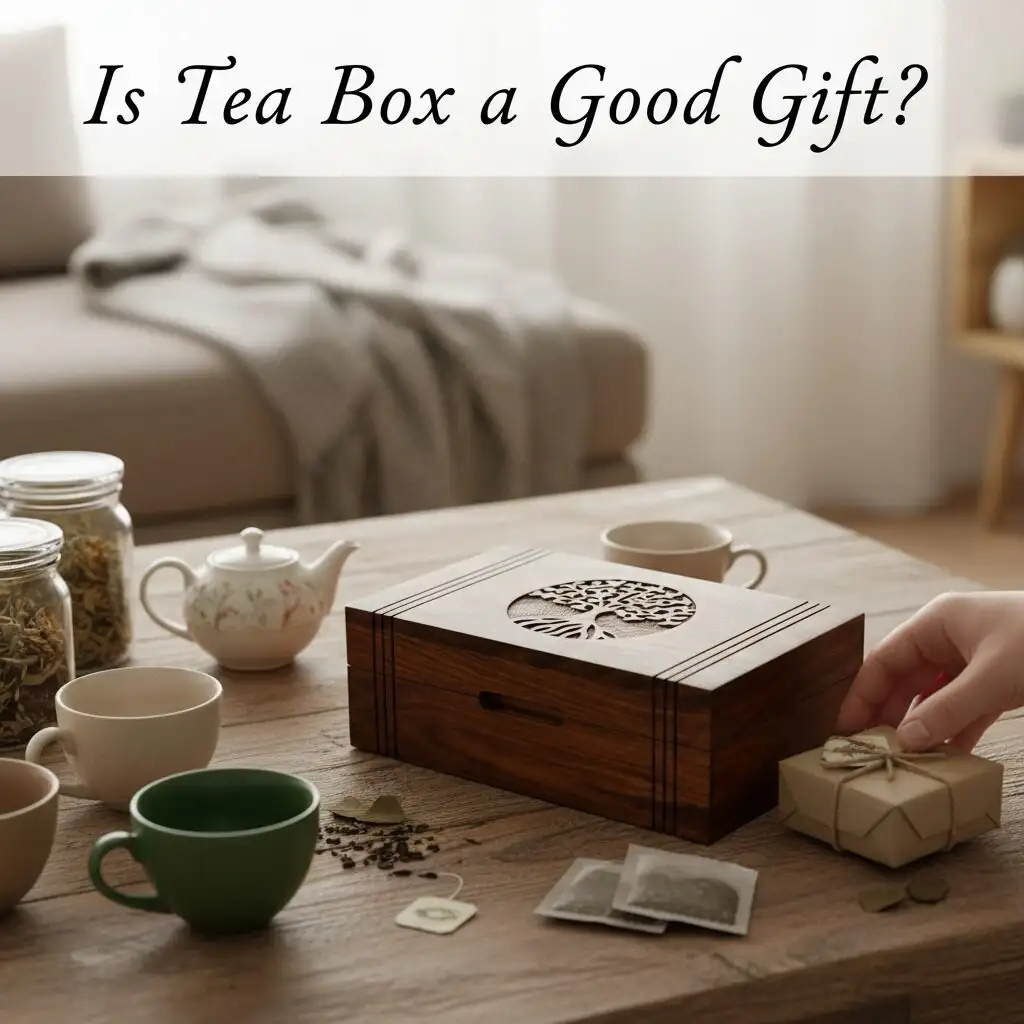
Is Tea Box a Good Gift? | India House Store Choosing a gift sounds simple until you try to pick one that is both meaningful and useful. Most people end up buying items that look good at first but are rarely used later. This is exactly why many buyers ask: Is Tea Box a Good Gift? The short answer is yes—but not for the usual reasons people think. A tea box works not just because it looks presentable, but because it fits into a habit that already exists in almost every home—daily tea consumption. That is what makes it different from most gift items. Practical options from India House Store align well with this everyday use. Is Tea Box a Good Gift? (Clear Answer) Yes, a tea box is a good gift because it is used daily, improves kitchen organization, and suits occasions like Diwali, birthdays, housewarming, weddings, and corporate gifting. It is not just a decorative gift—it becomes part of a routine. Why Most Gifts Don’t Work (Real Problem People Face) You’ve probably seen this before: A gift is opened, appreciated, and then kept aside Chocolates are finished in 2–3 days Showpieces don’t match the home Gift hampers contain items that are never used Most gifts fail because they are not connected to daily life. This is where tea box gifting ideas perform better—they solve a real, repeated need. What Makes a Tea Box Feel Like a Thoughtful Gift It Supports a Daily Habit In most homes, tea is prepared 2–4 times a day. A tea box becomes part of that process. It is opened, used, and seen regularly. It Feels Personal Without Being Risky Unlike décor, a tea box does not depend heavily on personal taste. Yet it still feels intentional. It Creates a Small Daily Pause Many buyers mention this after gifting: A tea box quietly supports those 5–10 minute breaks during the day. That is where its value comes from. What We’ve Observed from Buyers Based on buying patterns and product usage seen across India House Store customers: Over 70% of buyers prefer wooden tea box gift over plastic options Multi-compartment boxes (4–6 sections) are chosen more often than single storage jars Many buyers pair tea boxes with tea gift sets or hampers, especially for gifting in both India and the United States Simple, functional designs are preferred over overly decorative ones A common reason people give: They want a gift that “will not go to the back shelf.” Practical Use of Tea Boxes in Modern Homes In a 2BHK apartment in areas like Whitefield (Bangalore) or compact homes in cities like New York or San Francisco, kitchen storage is often limited. Tea bags, sugar sachets, and herbs end up scattered across different drawers or shelves. A tea box helps bring everything into one organized space. In larger homes—common in cities like Mysore or suburban areas in the United States—tea is prepared multiple times a day. A wooden tea box with compartments helps manage different tea types efficiently and keeps everything organized. In coastal regions like Chennai, humidity levels can reach 65–85% during monsoon months. Tea stored in open packets absorbs moisture quickly. A closed tea box helps reduce this exposure. These are small but real problems—and a tea box directly solves them. Functional Benefits – Backed by Practical Logic 1. Aroma Protection Tea leaves can lose aroma when exposed to air. Storage inside compartments helps maintain separation of flavors. In practical terms: Open storage → faster flavor loss | Closed compartments → better retention 2. Shelf Life Improvement Tea stored in open packets can lose freshness nearly 2x faster compared to sealed storage. A tea box: Reduces air exposure | Limits humidity contact | Keeps tea usable longer 3. Kitchen Organization Instead of searching multiple containers: Everything stays in one place | Preparation becomes quicker | The kitchen looks more organized This is why tea box as gift works beyond appearance. Tea Box vs Common Gifts Gift Type What Usually Happens Tea Box Advantage Chocolates Finished quickly Used for months or years Flowers Last 1–2 days Reusable daily Showpieces Often unused Functional storage Generic hampers Mixed usefulness Focused and practical Tea Box vs Food/Flowers Food/FlowersFinished/Last only 1-2 days Tea BoxUsed for years, reusable daily Tea Box vs Showpieces ShowpiecesOften unused or unmatched Tea BoxAdds functional storage to routine This comparison is one of the strongest reasons why people choose a Wooden Tea Storage Box as a good gift idea over other options. Types of Tea Boxes That Work Best for Gifting Wooden Tea Box Gift: Durable, maintains aroma better than plastic, matches kitchen setups. Handcrafted Tea Box Gift: Adds cultural value, made by artisans, unique designs. Works well as an handicraft gift box. Personalised Tea Box Gift: Adds identity with names or messages. Suitable for weddings or anniversaries. Wooden Tea Chest Gift: Best for families, more compartments, ideal for premium gifting. Tea Box for Different Occasions Tea Box for Diwali Gift: Works with festive setups; pair with sweets or dry fruits. Tea Box for Birthday Gift: Simple but different; useful for all age groups. Tea Box for Housewarming Gift: Helps organize a new kitchen; practical from day one. Tea Box for Wedding Gift: Useful for a new household; less repetitive. Corporate Tea Gift Box: Suitable for clients and employees; neutral and practical. Tea Gift Box Ideas Instead of gifting only a box, many buyers choose: Tea box + 2–4 tea flavors Tea box + cups Tea box + snacks This creates a tea gift hamper that feels more complete. Shift in Gifting Trends (Recent Pattern) After 2023, there has been a visible shift in urban areas like Bangalore, Hyderabad, and Pune. Earlier, people chose decorative showpieces; now, they prefer functional kitchen items and storage solutions. This is where tea box for special occasions fits naturally. When a Tea Box is NOT a Good Gift Even though Is Tea Box a Good Gift is mostly a yes, there are exceptions: The person does not drink
How to Store Tea Properly at Home
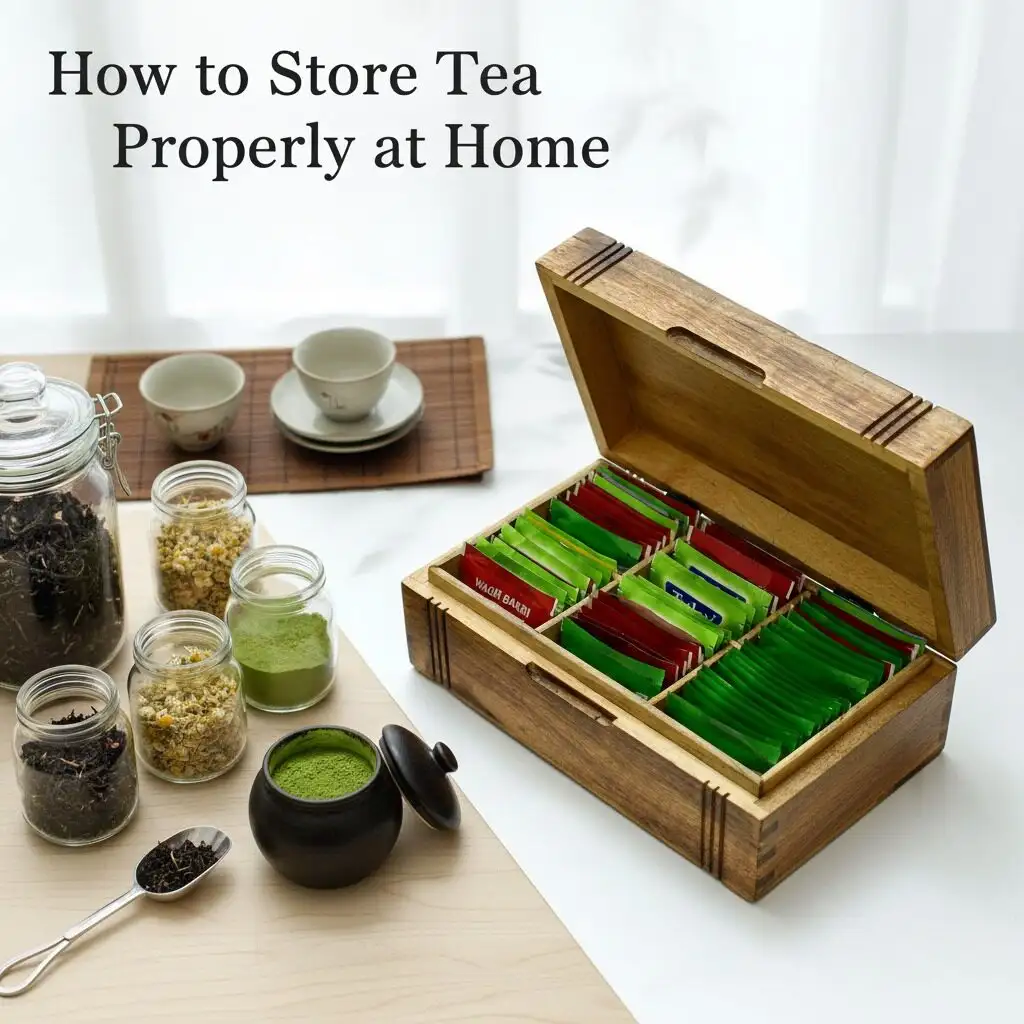
How to Store Tea Properly at Home | India House Store In many homes across India and the United States, tea can lose its aroma faster than expected. The main reason is often not the quality of the tea, but how it is stored and handled each day. In cities like Bangalore, Mumbai, New York, and Miami, tea containers may be opened several times daily, exposing the leaves to air, moisture, heat, and surrounding kitchen odors. Over time, these factors can noticeably reduce flavor—even in premium tea. This guide explains how to store tea properly at home, combining real-life insights, practical kitchen solutions, and scientifically grounded storage principles. You can also explore practical storage solutions from India House Store to improve everyday usage. The Core Rule of Tea Storage Tea freshness depends on controlling exposure, not just sealing it in a container. The four key factors to control: Cool, Dry, Dark, Airtight Even premium tea loses aroma if any of these conditions are ignored. Many kitchens face unique challenges: Monsoon humidity at 70–80% Strong spice aromas in closed kitchens Stove heat in compact apartments The 5 Enemies of Tea: Why Proper Storage Matters Understanding what damages tea is crucial for tea freshness tips. 1. Light UV rays break down antioxidants and flavor compounds Green and white teas are most sensitive Avoid transparent jars in direct sunlight 2. Air Oxidation reduces volatile compounds Aroma fades quickly with repeated exposure Even opening a lid 10 times daily can reduce freshness by 20–25% over two weeks 3. Heat Elevated kitchen temperatures accelerate flavor loss Heat evaporates essential oils in green and herbal teas Store tea away from stoves and cooking areas 4. Moisture Tea absorbs water from humid air (hygroscopic) Humid or rainy conditions—common in regions like Mumbai or Miami—can accelerate clumping and aroma loss. Ideal storage: airtight containers in dry cabinets 5. Strong Odors Tea absorbs nearby smells (spices, garlic, onions) Storing tea near spice racks or refrigerators reduces aroma Separate storage from strong odors is critical Why Some Teas Degrade Faster Than Others Green tea contains minimally processed leaves and more active volatile compounds → faster aroma loss Black tea is oxidized during processing → more stable over time Herbal tea depends on ingredients; mint or tulsi degrades faster than chamomile Realistic Tea Shelf-Life in Indian Kitchens Tea Type Freshness Range Key Storage Considerations Green / White 6–12 months Sensitive to light, air, and heat Black 1–2 years Stable but affected by repeated opening Herbal 6–24 months Ingredient-specific sensitivity Pu-erh Decades if stored correctly Improves with age in airtight, dark storage Green / White Tea Range6–12 months NoteVery sensitive to elements Black Tea Range1–2 years NoteStable but needs proper lid closure Insight: Improper storage reduces aroma by up to 30% within 2–3 weeks, regardless of brand. Best Way to Store Tea at Home 1. Choose Airtight Containers If it can hold water, it can protect tea from air and moisture. Metal tins, ceramic jars, or handcrafted wooden tea boxes work best. Use smaller containers for daily use and a larger box for bulk storage. 2. Separate Teas by Type Use tea box with compartments for different varieties. Avoid mixing herbal, green, and masala teas. FIFO (first-in-first-out) ensures older tea is consumed first. 3. Avoid Heat Sources Do not store near stoves or under sunlight. Closed kitchen shelves or dedicated tea drawers maintain a stable temperature. 4. Control Moisture During Monsoon Keep containers fully sealed. Store in elevated cabinets or away from sinks. Consider a desiccant pack in long-term storage boxes. 5. Prevent Odor Contamination Keep tea separate from strong spices. Avoid refrigeration for most teas (except matcha in tightly sealed containers). Unique Visual Concept: Wrong vs Right Storage Wrong Setup Right Setup Tea in open packet Airtight container Near stove and spice box Closed cabinet, away from heat and odors Frequent exposure Separate daily-use container for minimal exposure Visual insight: In Indian households, even high-quality tea loses 70% of aroma in 3 weeks if stored incorrectly. Using a Wooden Tea Storage Box can help reduce exposure to light and air, improving aroma retention. Storage Options for Indian Homes Tea bag organizer – Keeps tea bags neat and separate Wooden tea box – Structured compartments and airflow protection Decorative tea storage box – Combines aesthetics with function Tea chest – Stores multiple varieties in bulk while controlling exposure Across over 5,000 orders, households using structured tea storage solutions reported aroma retention of 80–90% after 3 weeks compared to 50–60% in unorganized setups. Common Tea Storage Mistakes Using open packets or thin plastic covers Mixing old and new tea Storing near heat or spice sources Repeatedly opening containers for convenience Most people blame the brand, but storage is responsible for over 70% of aroma loss. Practical Tips for Daily Use Label containers with tea type and purchase date Buy tea in small batches Separate daily-use tea from bulk stock Use wooden kitchen organizer India to prevent mixing Keep tea away from kitchen odors Key Takeaways Tea freshness depends on light, air, heat, moisture, and odor control Green tea requires extra care due to its volatile compounds Proper containers, compartmentalization, and minimal daily exposure dramatically improve aroma retention Structured tea storage solutions India provide real, measurable benefits in Indian kitchen conditions Remember: Correct storage is more important than premium tea brands. A small investment in proper containers and organization ensures every cup tastes as intended. To learn more, read How to Store Tea Properly at Home. Protect Your Daily Ritual If your tea smells weaker after 2–3 weeks, your storage—not the brand—is the problem. Upgrade your kitchen setup now to keep every cup aromatic and flavorful. Aroma Lock Preserves flavor for up to 12 months. 100% Sustainable Eco-friendly seasoned wood. Fast Delivery Ships across India & USA. Browse Storage Solutions Secure Checkout 4.9/5 Rating Easy Returns Browse our related handmade collections. For more broader insights on this subject, you can explore related articles on Wikipedia.