Searches for Ayurvedic Copper Water Benefits continue rising because many people want clarity. Online information often blends ancient Ayurvedic references with modern wellness claims, making it difficult to know what is tradition and what science supports. Buyers researching copper water want facts, not assumptions.
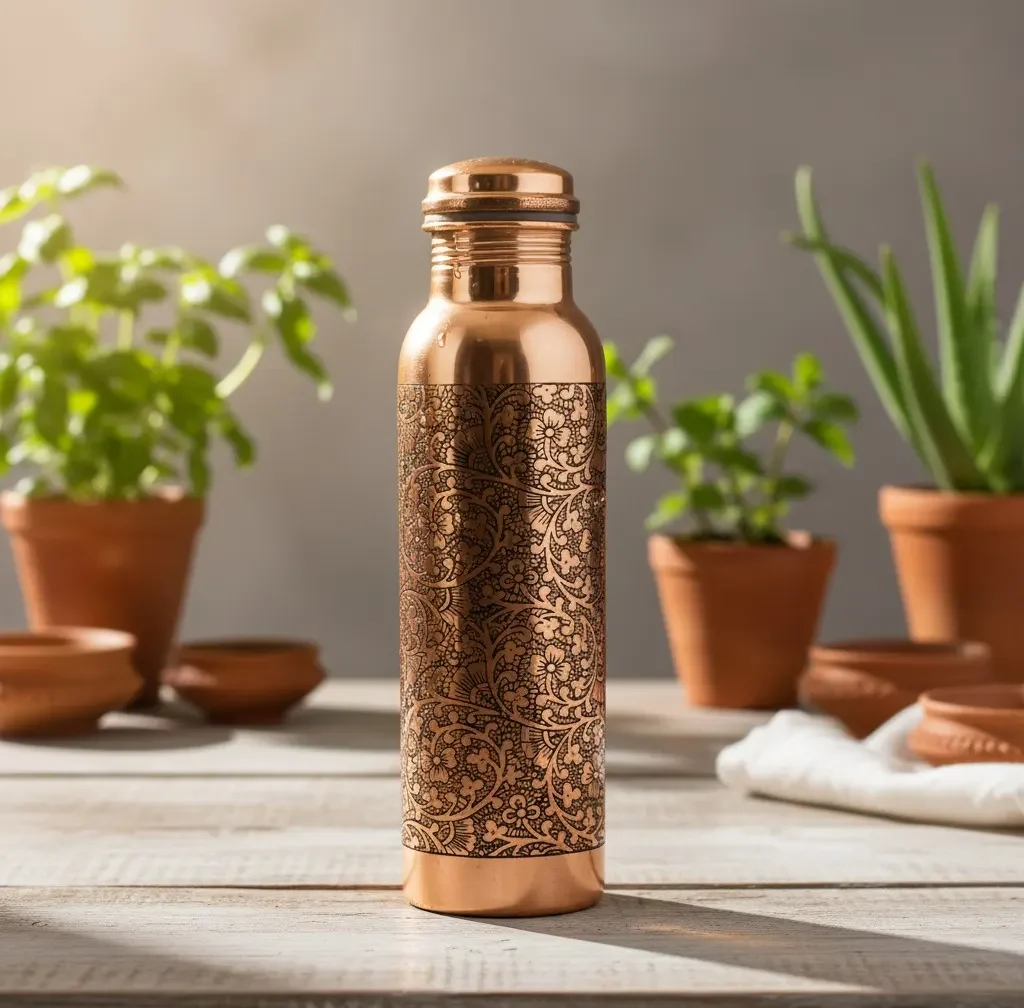
Copper vessels have been part of Indian households for centuries. Long before modern materials, artisans shaped copper pots and bottles by hand using regional metalworking knowledge. These vessels served daily needs rather than medical purposes. Today, copper water reappears in modern homes, wellness routines, and gifting, especially among buyers seeking handmade Indian products.
This article explains copper water using a balanced lens. It separates traditional belief from scientific evidence, helping readers form informed opinions rather than relying on exaggerated claims.
Why This Topic Matters to Buyers
Ayurvedic Copper Water Benefits are often discussed by buyers who are cautious and want health support without unnecessary risk. Many articles online promise immunity boosts, weight loss, or disease prevention, often without evidence. This creates confusion, especially for international buyers comparing Ayurvedic tradition with modern medical standards.
Another concern involves authenticity. Buyers want pure copper rather than coated alternatives marketed as equivalent. Others worry about safety, mineral intake, and maintenance effort. Some want copper bottles mainly for cultural or gifting reasons, not health promises. Clear, neutral education helps buyers choose responsibly and avoids disappointment caused by unrealistic expectations.
Common Questions and Concerns
Traditional Perspective vs. Modern Usage
Tradition: Ayurvedic texts describe storing drinking water in copper vessels using the term “Tamra Jal.” These references view copper as a supportive material rather than a medicine. The focus remains general wellness and balance rather than treatment of disease. Traditional practice involved storing water overnight and consuming it the next day.
Modern Usage: Modern science confirms copper’s antimicrobial surface properties. Research shows copper surfaces reduce bacterial presence under controlled conditions. This supports the idea that storing water in copper vessels may limit microbial growth. However, science does not confirm claims regarding curing illness or dramatic weight loss.
Moderation remains essential. Continuous consumption throughout the day may increase copper intake beyond desirable levels. Many users store water for several hours and drink limited quantities rather than replacing all daily water intake.
How to Choose the Right Product
Care, Maintenance, and Longevity
Copper reacts with oxygen, leading to surface darkening. This process does not affect safety. With mindful care, a pure copper bottle may last many years.
Who This Product Is (And Isn't) Suitable For
Suitable For: Individuals interested in traditional Indian practices who value natural materials. It works well for people following mindful daily routines rather than quick wellness fixes. Handmade copper bottles also suit cultural gifting, housewarmings, and festive occasions.
Not Suitable For: Individuals with copper sensitivity or medical conditions requiring controlled mineral intake. Anyone expecting guaranteed health results may feel disappointed. People seeking minimal maintenance drinkware may prefer stainless steel or glass.
Frequently Asked Questions
Conclusion
Interest in Ayurvedic Copper Water Benefits reflects a wider shift toward traditional practices and handmade materials. Copper water offers antimicrobial properties supported by science, while many other claims remain cultural beliefs rather than proven outcomes.
Understanding both tradition and evidence helps buyers form realistic expectations. Copper vessels represent Indian craftsmanship, daily utility, and cultural continuity rather than miracle solutions. Readers wanting deeper understanding of handmade Indian homeware may continue learning through educational resources or explore artisan-led collections shared by heritage-focused brands such as India House.