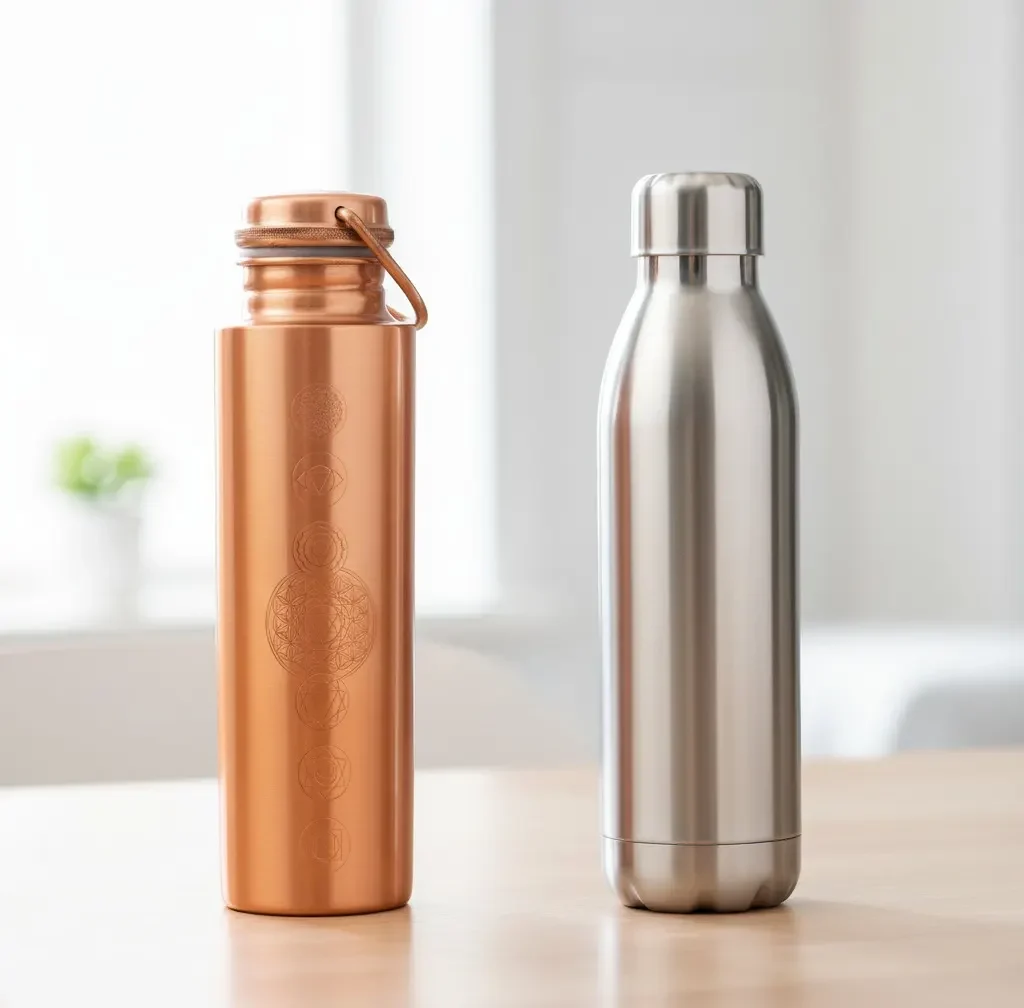
Choosing the right water bottle for daily use involves more than just picking a design. With growing awareness about safety, sustainability, and practicality, many buyers in the UK compare copper vs stainless steel water bottles before making a purchase.
For brands like India House, copper bottles are handmade by skilled artisans using traditional techniques, reflecting centuries of Indian heritage. Stainless steel bottles, in contrast, are typically machine-made, designed for durability and low maintenance. Understanding the differences between these materials can help you choose a bottle that suits your lifestyle, health concerns, and daily routine.
Why This Topic Matters to Buyers
Buyers searching for copper vs stainless steel water bottles often want answers to questions regarding safety, longevity, water quality, and maintenance. Many users are confused by conflicting online information where copper is promoted for health benefits while stainless steel is praised for practicality.
Common Questions and Concerns
Stainless steel bottles: Safe for daily use if made from food-grade 304 or 316 stainless steel. Non-reactive and taste-neutral.
Stainless steel: Highly durable, resistant to dents, corrosion, and daily wear.
Stainless steel: Generally keeps water taste-neutral.
Stainless steel: Easier to maintain, often dishwasher-safe, and needs only regular washing.
Stainless steel: Machine-made, uniform, and usually lack this heritage element.
Traditional Perspective & Modern Usage
In India, copper vessels have been used for centuries to store drinking water. Artisans create bottles through techniques like hand-hammering and polishing, ensuring durability and aesthetic appeal. While some traditions suggest health benefits, it is important to focus on craftsmanship and safe usage rather than unverified health claims.
Modern Usage Considerations
In practice, your choice depends on convenience versus heritage preference: copper emphasizes traditional craftsmanship, stainless steel emphasizes durability and ease of use.
Copper vs Stainless Steel Bottles: Quick Comparison
| Feature | Copper Bottle | Stainless Steel Bottle |
|---|---|---|
| Durability | Softer; prone to dents; requires careful handling | Highly durable; resistant to dents and corrosion |
| Taste | May impart slight metallic taste after hours | Neutral taste; does not affect water flavor |
| Maintenance | Needs regular cleaning with mild acids or soap | Easy to clean; often dishwasher-safe |
| Health Benefits | Traditional claims: antimicrobial; mineral content may add trace copper | No added minerals; non-reactive and BPA-free |
| Craftsmanship | Handmade; artisanal; reflects Indian heritage | Machine-made; uniform; functional design |
| Cost | Generally higher due to craftsmanship | Moderate; widely available |
| Practicality | Best for short-term water storage and mindful use | Suitable for all-day, active lifestyles; insulated options available |
How to Choose the Right Product
Care, Maintenance, and Longevity
Storing acidic beverages in copper, leaving water overnight, or using abrasive cleaners can reduce lifespan.
Copper Bottles Care
Stainless Steel Bottles Care
Who This Product Is (And Isn't) Suitable For
Suitable For: Copper bottles suit buyers valuing artisanal, handmade products and cultural heritage. Stainless steel bottles suit buyers seeking durability, low maintenance, and all-day practicality. Both work for office, gym, and home use, while handmade copper bottles also make thoughtful gifts.
Not Suitable For: Copper bottles are less suited for children or people who prefer completely neutral-tasting water. Stainless steel may not appeal to buyers looking for artisanal aesthetics. Users seeking minimal maintenance may find copper bottles inconvenient.
Frequently Asked Questions
Conclusion
Choosing between copper vs stainless steel water bottles depends on your priorities. Copper offers artisanal craftsmanship and traditional appeal but requires more care and short-term use. Stainless steel is practical, durable, and low-maintenance, suitable for daily active lifestyles.
Understanding material differences, maintenance, and your personal needs ensures you select a bottle that lasts and performs well. For buyers interested in heritage craftsmanship, exploring handmade Indian copper bottles from India House offers both utility and cultural value.