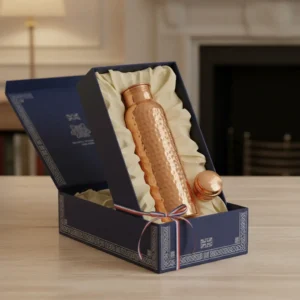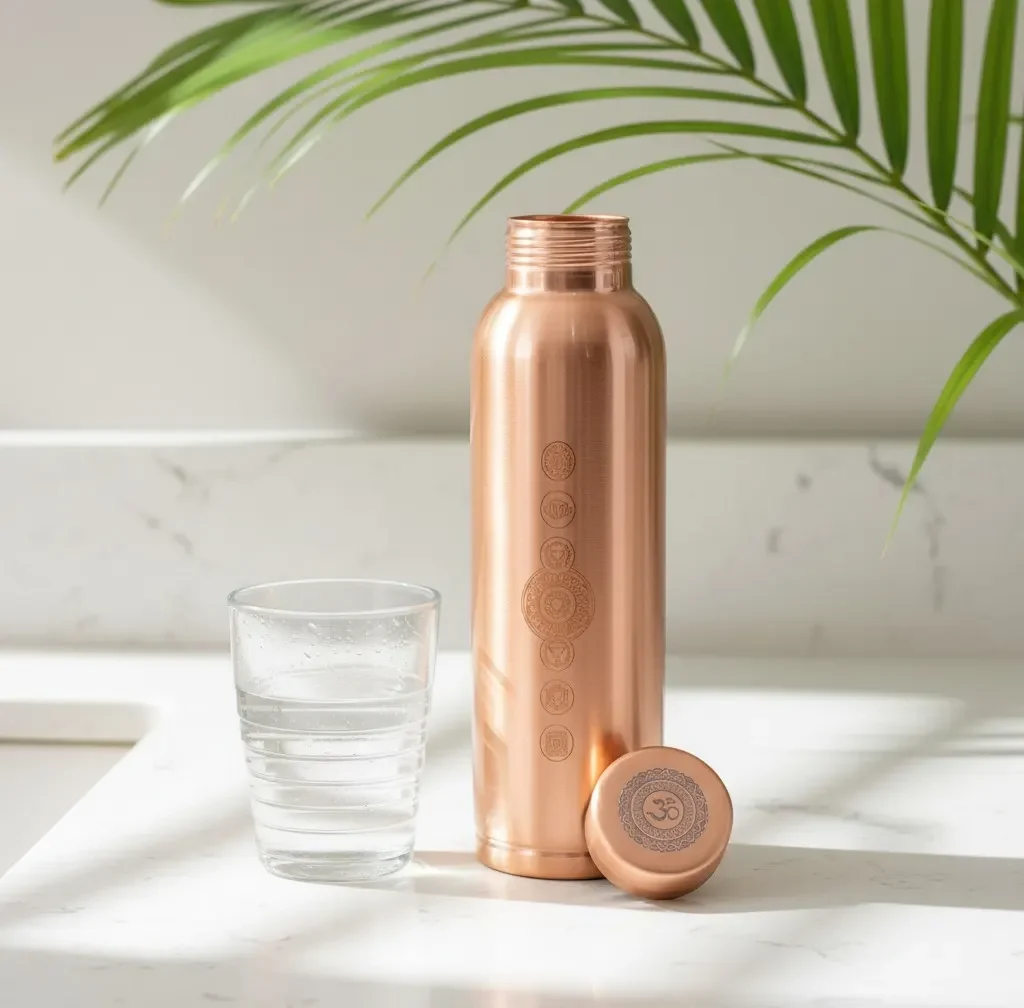
The question "Is Drinking Water from a Copper Bottle Safe UK" is one many buyers search before using or purchasing a copper water bottle. Online discussions often highlight concerns related to copper toxicity, daily use, and whether traditional practices remain safe within modern lifestyles.
The confusion grows because copper bottles are commonly described as part of Indian heritage, while health guidance shared online varies widely. Some sources describe benefits, while others warn about overexposure. UK buyers often want clarity grounded in safety, not marketing claims.
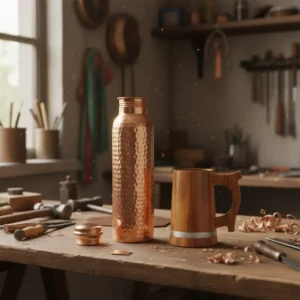
India House works with Indian artisans who create handmade copper products using traditional metalworking techniques. While cultural background adds value, safety and informed use remain essential. This article explains copper bottle use in clear, factual terms, helping readers make practical decisions.
Why This Topic Matters to Buyers
People searching this topic usually share one clear goal: avoiding health risks while making a thoughtful purchase. Online platforms often mix traditional beliefs with strong health promises, creating uncertainty rather than guidance.
Common Questions and Concerns
Traditional Perspective vs. Modern Usage
Is Drinking Water from a Copper Bottle Safe UK? Copper vessels have been part of Indian households for generations, mainly used for overnight water storage. Traditionally, water storage happened once per day, consumption remained limited, and vessels received regular cleaning. This reflects long-standing familiarity rather than medical endorsement.
Modern Usage: Modern daily routines differ greatly. Many people sip water constantly, refill bottles often, and rely on treated tap water.
Copper and UK Drinking Water Safety Standards
Copper exposure is regulated within UK water systems, mainly because copper pipes exist in older plumbing. Regulatory guidance focuses on preventing excessive copper intake over time.
Small amounts of copper occur naturally in water systems. Health risk appears when intake remains consistently high. Copper bottles add additional exposure beyond tap water, meaning they should complement, not replace, standard drinkware.
How Much Copper Exposure Is Too Much?
Copper functions as a trace element, meaning the body needs small amounts only. Problems arise when exposure becomes continuous and unregulated.
How to Choose the Right Product
Care, Maintenance, and Longevity
Proper care supports safety and lifespan. With correct care, a copper bottle can last several years, though surface ageing remains normal.
Who This Product Is (And Isn't) Suitable For
Suitable For: Adults interested in traditional Indian homeware, people comfortable with mindful usage habits, and homes prioritising craftsmanship over convenience.
Not Suitable For: Children or infants, people with copper sensitivity, users needing constant hydration access, or those seeking low-maintenance drinkware (Glass or stainless steel suit these needs better).
Frequently Asked Questions
Conclusion
Is Drinking Water from a Copper Bottle Safe UK? The answer depends on how the bottle is used, cleaned, and integrated into daily habits. Copper bottles are not dangerous by default, yet they are not designed for unrestricted use.
They hold cultural significance and reflect skilled Indian craftsmanship, especially when handmade responsibly. Informed buyers benefit most by treating copper bottles as occasional-use vessels rather than everyday hydration tools. Readers interested in learning more can explore educational resources or artisan background information shared by India House to support informed decisions.