
Buying a Copper Water Bottle in the UK: A Complete Guide for 2026
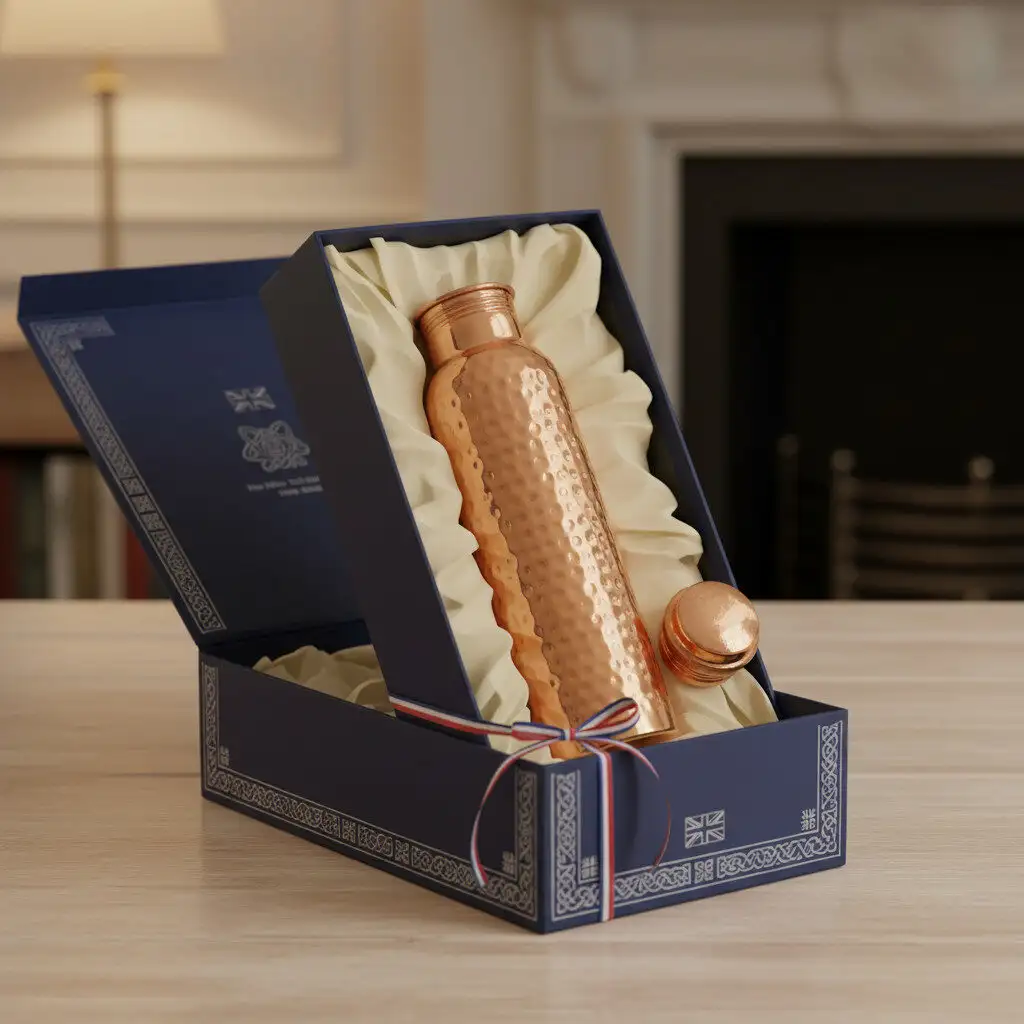
Copper water bottles have become increasingly popular in the UK as people move away from plastic drinkware and look for traditional, reusable alternatives. Along with this growing interest, many buyers now want clarity on authenticity, correct usage, and sourcing. If you are planning to buy a copper bottle in the UK, understanding what makes a genuine copper bottle — and how it should be used — is essential. This guide explains the key points every buyer should know before making a purchase. Why Copper Water Bottles Are Trending in the UK The demand for copper water bottles in the UK has grown due to several factors: Preference for natural materials over plastic Increased interest in reusable, long-lasting products Appreciation for handmade and slow-crafted items Awareness of traditional water storage practices Copper bottles are often chosen not for decoration, but for their material quality and cultural background. Many UK buyers now seek copper bottles that are made using traditional methods rather than factory production. What Is a Pure Copper Water Bottle? A pure copper water bottle is made entirely from copper metal, without inner coatings, linings, or paint. This distinction is important because many products sold online are only copper-coloured. How to Identify a Genuine Copper Bottle Before buying a copper water bottle in the UK, check for the following signs: Unlined interior with no shiny coating Natural surface variation, including light hammer marks Noticeable weight, as copper is heavier than plated metals Colour changes over time, which is normal for real copper A bottle that looks permanently glossy or never changes appearance may not be solid copper. Handmade vs Factory-Made Copper Bottles Copper bottles are produced using different methods, and this affects quality and longevity. Handmade Copper Bottles Shaped and finished by skilled artisans; often thicker and more durable; each piece has slight variations; usually uncoated. Factory-Made Copper Bottles Pressed by machines from thin sheets; often coated to preserve shine; uniform appearance; designed for mass production. Buyers looking for authentic copper bottles generally prefer handmade options. Are Copper Bottles Suitable for Use in the UK? Copper bottles are traditionally used for storing plain drinking water. When made from pure copper and used correctly, they are suitable for regular household use. Fill with plain drinking water only Let the water rest for several hours Do not store acidic or flavoured liquids Clean the bottle regularly Copper bottles are not designed for juices, carbonated drinks, or long-term liquid storage. Traditional Use of Copper in Indian Homes In many Indian households, copper vessels have been used for generations to store drinking water. This practice is part of traditional lifestyle systems, where copper is valued as a natural material. This guide refers to cultural and historical use only and does not make medical or therapeutic claims. For many UK buyers, copper bottles represent a connection to long-standing traditions that prioritise natural materials and mindful daily habits. How to Choose the Right Copper Water Bottle Size: 750 ml to 1 litre for daily use; smaller bottles for bedside or desk use. Design: Plain or hammered designs suit modern homes; engraved designs reflect traditional styles. Finish: Matte or lightly polished finishes age naturally; highly reflective finishes may indicate coating. Common Mistakes Buyers Make Buying copper-coloured bottles instead of solid copper Choosing coated bottles that limit proper use Using acidic liquids inside copper bottles Cleaning with chemical detergents How to Care for and Clean a Copper Water Bottle Simple Cleaning Method: Use lemon and salt or a mild natural cleaner. Rinse thoroughly with water and dry completely after washing. Copper naturally darkens with time. This is normal and does not mean the bottle is damaged. Why Handmade Copper Bottles Cost More Handcrafted copper bottles usually cost more because they involve skilled manual work, longer production time, thicker copper sheets, and fair payment to artisans. For many buyers, this added cost reflects quality, durability, and ethical sourcing. Where to Buy Authentic Copper Bottles in the UK India House Stores offers a curated range of handmade copper water bottles, crafted by skilled Indian artisans and delivered across the UK. View the Copper Bottle Collection Frequently Asked Questions About Copper Water Bottles Are copper water bottles allowed for everyday use in the UK? Copper water bottles are widely sold and used in the UK. When made from pure copper and used for storing plain water, they are considered suitable for daily household use. How can I tell if a copper bottle is genuine? A real copper bottle has an unlined interior, noticeable weight, and may develop a natural patina over time. Bottles with inner coatings or permanent shine are often plated rather than solid copper. Does copper affect the taste of drinking water? When used correctly, copper bottles may slightly change the taste of water due to the natural properties of the metal. This is normal and varies from person to person. How long should water be kept in a copper bottle? Traditionally, water is stored for several hours or overnight. It is recommended to empty and refill the bottle daily rather than storing water for extended periods. Are these copper bottles handmade in India? Yes. The copper bottles offered by India House Stores are handcrafted by skilled artisans in India using traditional metalworking techniques. Do you ship copper bottles throughout the UK? Yes. Orders are delivered to customers across the UK, with careful packaging to protect handmade products during transit.
Buying Wooden Beer Mugs in the UK: A Complete Buyer Guide for 2026

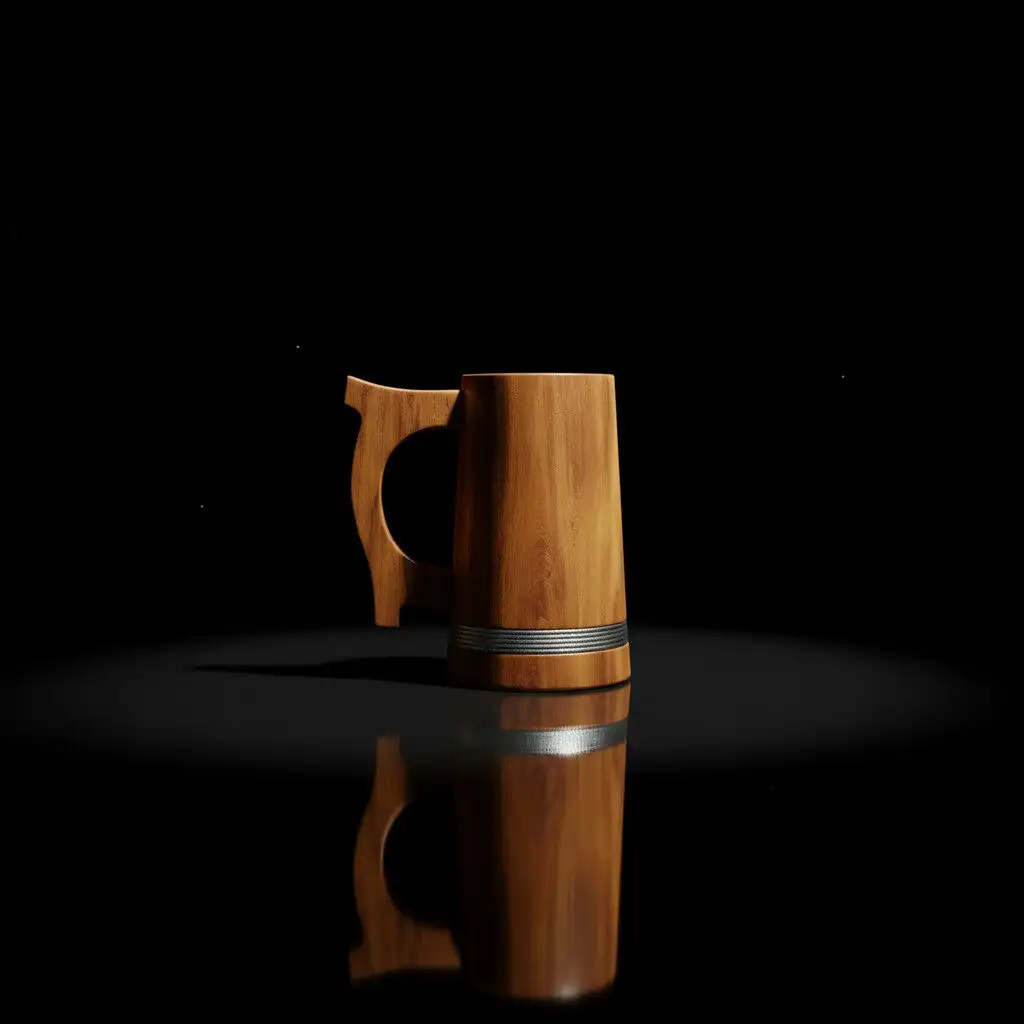
Wooden beer mugs are no longer limited to themed pubs or historical reenactments. Across the UK, they are becoming a preferred choice for home bars, gifting, and collectors who appreciate traditional drinkware with character. If you are looking to buy wooden beer mugs in the UK, understanding materials, safety, craftsmanship, and correct care is essential. This guide explains everything a buyer should know before choosing a wooden beer mug, whether for personal use or as a gift. Why Wooden Beer Mugs Are Popular Again in the UK The renewed interest in wooden beer mugs comes from a shift toward traditional, reusable drinkware and handmade products. Many UK buyers are choosing wooden mugs for reasons such as: Preference for natural materials over mass-produced glass Interest in traditional European and Nordic drinking styles Growth of home bars and craft beer culture Appreciation for handmade and rustic design Unlike glass or steel, wooden beer mugs offer a tactile experience and visual warmth that appeals to buyers looking for something distinctive rather than generic. What Are Wooden Beer Mugs Made From? Wooden beer mugs are typically carved or assembled using hardwoods that are suitable for drinkware. Commonly used woods include: Mango wood Sheesham (Indian rosewood) Oak Teak (for decorative or limited-use mugs) The wood is usually treated with a food-safe inner lining or natural sealant to prevent leakage and maintain usability. The outer surface may be carved, polished, or left slightly textured depending on the design. Are Wooden Beer Mugs Safe for Drinking Beer? Wooden beer mugs are safe for drinking beer when they are made correctly and used as intended. Key safety points: The inside should be sealed with a food-safe lining Mugs are best suited for beer, ale, or similar beverages They should not be used for hot drinks Proper cleaning and drying are essential A well-made wooden beer mug is designed for regular use, provided care instructions are followed. Handmade vs Factory Wooden Beer Mugs Handmade Wooden Beer Mugs Shaped or carved by skilled artisans; often feature detailed patterns or traditional styles; thicker walls and stronger handles; each mug has natural variation. Factory-Made Wooden Beer Mugs Machine-cut and assembled; uniform in size and appearance; often thinner and lighter; designed for bulk production. Buyers looking for authenticity and durability generally prefer handmade wooden beer mugs. Different Types of Wooden Beer Mugs Tankard-Style Mugs: Classic shape with a sturdy handle; inspired by European beer traditions; suitable for everyday use. Viking-Style Wooden Mugs: Bold designs with carved details; often associated with Nordic history; popular for themed décor and gifting. Rustic Wooden Mugs: Minimal finishing and natural texture; emphasis on the grain of the wood; favoured for home bars and casual settings. How to Choose the Right Wooden Beer Mug When buying a wooden beer mug in the UK, consider these factors: Capacity: 400–500 ml for standard use; larger mugs for serving or display. Grip: Comfortable handle with good balance; secure attachment between handle and body. Finish: Smooth outer finish for regular handling; natural or lightly polished surfaces age well. How Wooden Mugs Affect Taste and Temperature Wooden mugs help maintain the temperature of beer longer than glass, as wood acts as a natural insulator. Many users find that wooden mugs reduce the sharp coldness associated with metal or glass. The taste of beer remains largely unaffected when the inner lining is properly sealed. Any subtle difference is usually linked to temperature rather than flavour transfer. Care and Maintenance of Wooden Beer Mugs Cleaning Guidelines: Rinse with mild soap and lukewarm water; avoid soaking the mug; dry thoroughly after each use. Storage Tips: Store in a dry place; keep away from direct heat; do not place in a dishwasher. With proper care, a wooden beer mug can last for many years. Why Wooden Beer Mugs Make Meaningful Gifts A traditional and timeless look Practical use combined with decorative value Appeal for birthdays, housewarmings, and celebrations A personal feel that mass-produced items lack Handcrafted wooden mugs are especially valued as gifts because no two pieces are exactly alike. Where to Buy Authentic Wooden Beer Mugs in the UK India House Stores offers a curated selection of handcrafted wooden beer mugs, made by skilled artisans and delivered to customers across the UK. Browse the Wooden Beer Mug Collection Frequently Asked Questions About Wooden Beer Mugs Are wooden beer mugs suitable for regular use? Yes. When made with food-safe lining and cared for properly, wooden beer mugs are suitable for regular use with beer and similar beverages. Do wooden beer mugs change the taste of beer? A properly sealed wooden mug does not significantly affect taste. Most users notice differences only in temperature retention rather than flavour. Can wooden beer mugs be washed like normal cups? Wooden mugs should be hand-washed only. Dishwashers and soaking can damage the wood and lining. Are these wooden beer mugs handmade? Yes. The wooden beer mugs available at India House Stores are handcrafted by skilled artisans using traditional woodworking methods. Do you ship wooden beer mugs across the UK? Yes. Wooden beer mugs are delivered across the UK with careful packaging to protect handmade items during transit.
Copper Craftsmanship in India
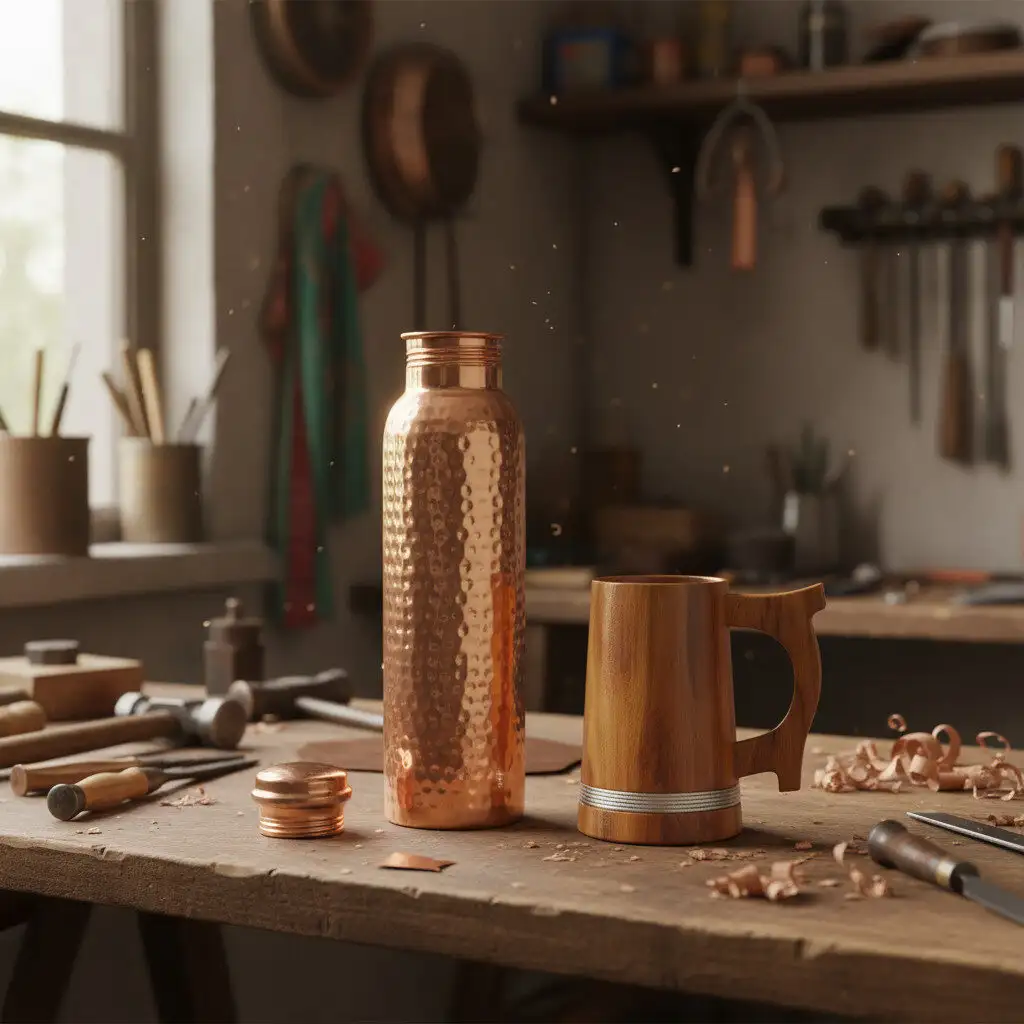
Tradition, Skill, and the Human Work Behind Every Bottle Copper craftsmanship in India is not a recent trend. It is a living tradition shaped by centuries of practice, regional knowledge, and skilled hands. Long before copper bottles became popular in modern homes, Indian artisans were shaping copper vessels for daily household use using techniques passed down through generations. At India House Stores, our copper bottles are rooted in this tradition. Each piece reflects time, care, and the experience of artisans who continue to practise metalwork as it has been done for hundreds of years. The History of Copper Craft in India Copper has held an important place in Indian households for centuries. Traditionally, copper vessels were used for storing water, cooking, and ritual purposes. The craft developed not through factories, but through family-run workshops where skills were learned through observation and repetition. These methods relied on simple tools, controlled heat, and hand shaping. Over time, regional styles emerged, each with its own approach to forming, joining, and finishing copper items. This history forms the foundation of the copper bottles made today using traditional techniques. Regions Known for Traditional Copper Work Copper craft in India is closely linked to specific regions where metalworking has been practiced for generations. Some regions are known for: Hammered copper vessels Hand-joined seams rather than welded joints Distinct surface textures and finishing styles Artisans from these areas often specialise in copper alone, focusing their skills on shaping and refining the metal rather than mass production. Their regional knowledge influences the thickness, balance, and durability of each bottle. How Artisans Handcraft Copper Bottles Handcrafting a copper bottle is a slow and deliberate process. Unlike factory production, each step is done manually. The process generally includes: Cutting and shaping copper sheets by hand Heating the metal to make it workable Hammering the surface to form the bottle shape Joining parts using traditional methods Polishing and finishing without synthetic coatings Because the work is done by hand, no two bottles are exactly alike. Minor variations are a natural result of genuine craftsmanship. Why Handmade Copper Is Different From Machine-Made Handmade copper bottles differ from machine-made ones in several important ways. Handcrafted copper bottles typically have: Thicker copper walls Stronger joints formed without automated welding Natural surface variation rather than uniform shine No inner linings or artificial finishes Machine-made bottles are designed for speed and volume. Handmade bottles are created for durability, authenticity, and long-term use. Ethical Sourcing and Artisan Livelihoods Copper craftsmanship supports skilled livelihoods that depend on fair work and consistent demand. For many artisans, copper work is not a side activity but a primary source of income. Ethical sourcing means: Paying artisans fairly for skilled labour Maintaining long-term working relationships Avoiding mass outsourcing that removes control from craftspeople By choosing handmade copper bottles, buyers help sustain traditional skills that might otherwise decline. Why We Work Directly With Artisan Communities India House Stores works directly with artisan groups rather than sourcing from intermediaries or large manufacturing units. This approach allows us to: Understand how each product is made Maintain quality standards without industrial shortcuts Ensure transparency in materials and methods Support artisan communities more directly Working closely with artisans also allows us to preserve traditional techniques rather than replacing them with machine processes. From Indian Workshops to UK Homes Each copper bottle begins its journey in a small workshop in India and ends up in homes across the UK. Along the way, the bottle carries more than just water—it carries the story of the hands that shaped it. For UK customers, these bottles offer a connection to traditional craft while fitting naturally into modern daily routines. The result is a functional object with cultural meaning, not just a decorative item. How This Craft Is Preserved Through Conscious Buying Traditional copper craft survives when people choose quality and authenticity over shortcuts. Conscious buying helps ensure that these skills continue to be practised rather than replaced. When buyers choose handmade copper bottles: Artisan knowledge remains relevant Traditional methods are passed to the next generation Craft communities stay economically viable Every purchase supports the continuation of a skill that has taken centuries to develop.
Wooden Craftsmanship in India
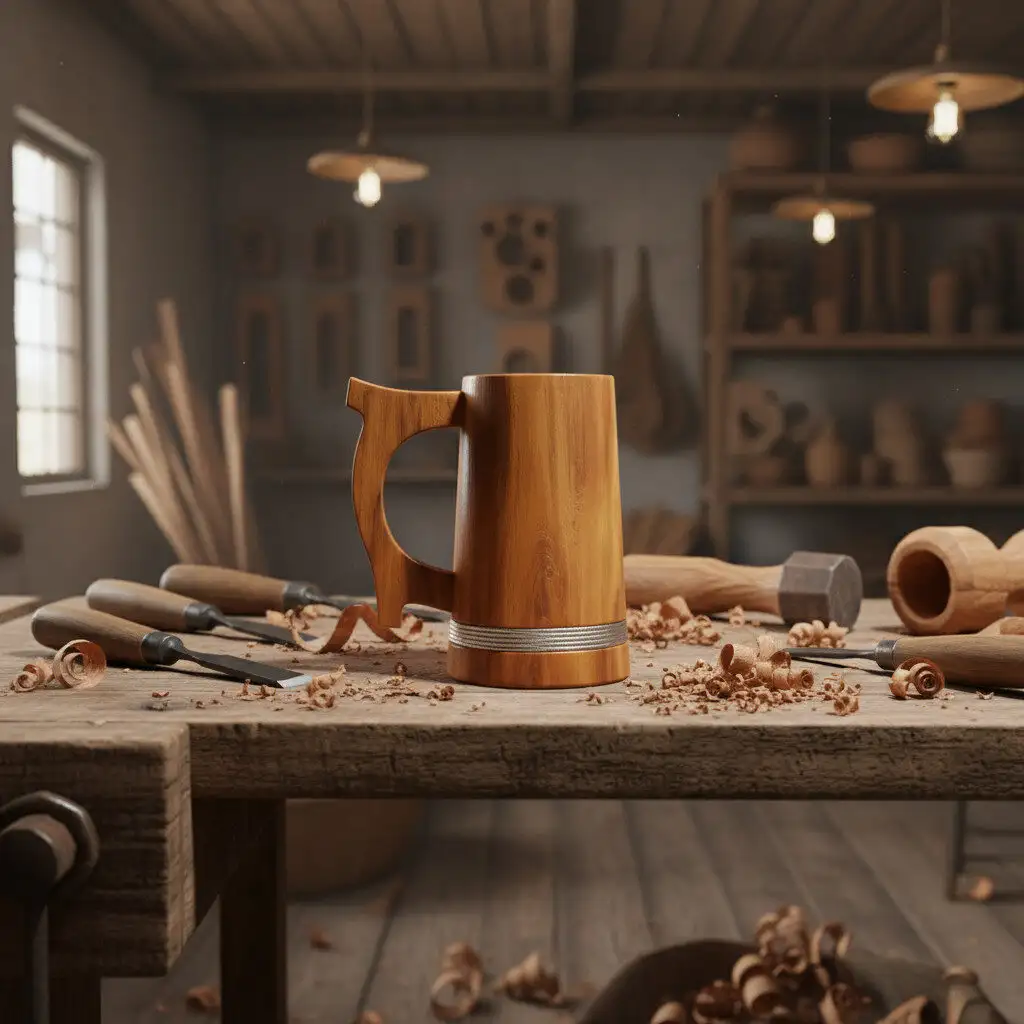
Skill, Patience, and the Human Touch Behind Every Mug Wooden craftsmanship in India is rooted in centuries of hands-on skill, regional knowledge, and respect for natural materials. Long before wooden mugs became decorative or collectible items, Indian artisans were shaping wood into everyday objects designed for use, durability, and balance. At India House Stores, our wooden beer mugs reflect this long-standing tradition. Each mug is made with care, using methods that prioritise handwork over speed and character over uniformity. India’s Tradition of Wooden Handicrafts Wood has been an essential material in Indian craftsmanship for generations. Artisans across different regions have worked with locally available wood to create utensils, tools, and household items. Wooden handicrafts developed through: Family-led workshops Knowledge passed from one generation to the next Manual tools refined over time This tradition values patience and precision, where the process is as important as the finished product. Types of Wood Used in Traditional Mug Making Choosing the right wood is a key part of making a functional wooden beer mug. Artisans select hardwoods that are strong, stable, and suitable for regular handling. Commonly used woods include: Mango wood Known for its durability and visible grain. Sheesham (Indian rosewood) Valued for strength and rich colour. Other hardwoods Selected based on availability and suitability. Each type of wood has its own grain pattern, weight, and finish, giving every mug a distinct appearance. The Process of Handcrafting Wooden Beer Mugs Handcrafting a wooden beer mug involves several careful steps, each done by hand rather than automated machinery. The process generally includes: Selecting and seasoning the wood Shaping the mug body using hand tools or manual lathes Carving or fitting the handle securely Smoothing and refining the surface Applying food-safe inner lining or natural sealant Because this work is done manually, no two mugs are identical. Minor variations are a sign of genuine craftsmanship. Hand-Carved vs Machine-Turned Wooden Products The difference between handmade and machine-made wooden mugs is visible in both structure and finish. Hand-carved or hand-finished mugs: Show natural variation in grain and shape Have thicker walls and stronger joints Reflect the skill of the artisan Machine-turned mugs: Appear perfectly uniform Are produced in large quantities Often prioritise speed over detail Buyers who value authenticity often prefer hand-finished wooden mugs for their individuality and durability. Food-Safe Finishes and Natural Treatments For a wooden beer mug to be suitable for use, the inside must be properly treated. Artisans use: Food-safe inner linings To prevent leakage. Natural oils or sealants To protect the wood. Traditional finishing methods Used rather than synthetic coatings. These treatments help ensure the mug is suitable for beer and similar beverages when used and cared for correctly. Sustainability and Responsible Wood Use Responsible wood use is an important part of traditional craftsmanship. Artisans typically work with wood that is sourced locally and used efficiently. Sustainable practices include: Using hardwoods known for longevity Minimising waste during shaping and carving Relying on small-scale production rather than large-scale logging This approach supports long-term availability of materials and respects natural resources. Supporting Skilled Wood Artisans in India Wooden craftsmanship provides livelihoods for skilled artisans whose work depends on fair demand and recognition of their skill. Supporting artisan-made products helps: Maintain traditional woodworking skills Provide stable income to craft communities Keep manual techniques relevant in modern markets For many artisans, woodworking is not just a trade but a lifelong practice shaped by experience. Why Handmade Wooden Mugs Belong in Modern Homes Handmade wooden beer mugs fit naturally into modern homes because they combine function with character. They offer: Practical use for home bars and gatherings A natural alternative to glass or metal Visual warmth and texture A connection to traditional craft In a world of mass-produced items, handmade wooden mugs bring individuality and meaning to everyday use.
UK Shipping & Delivery: Clear Information for Handmade Products
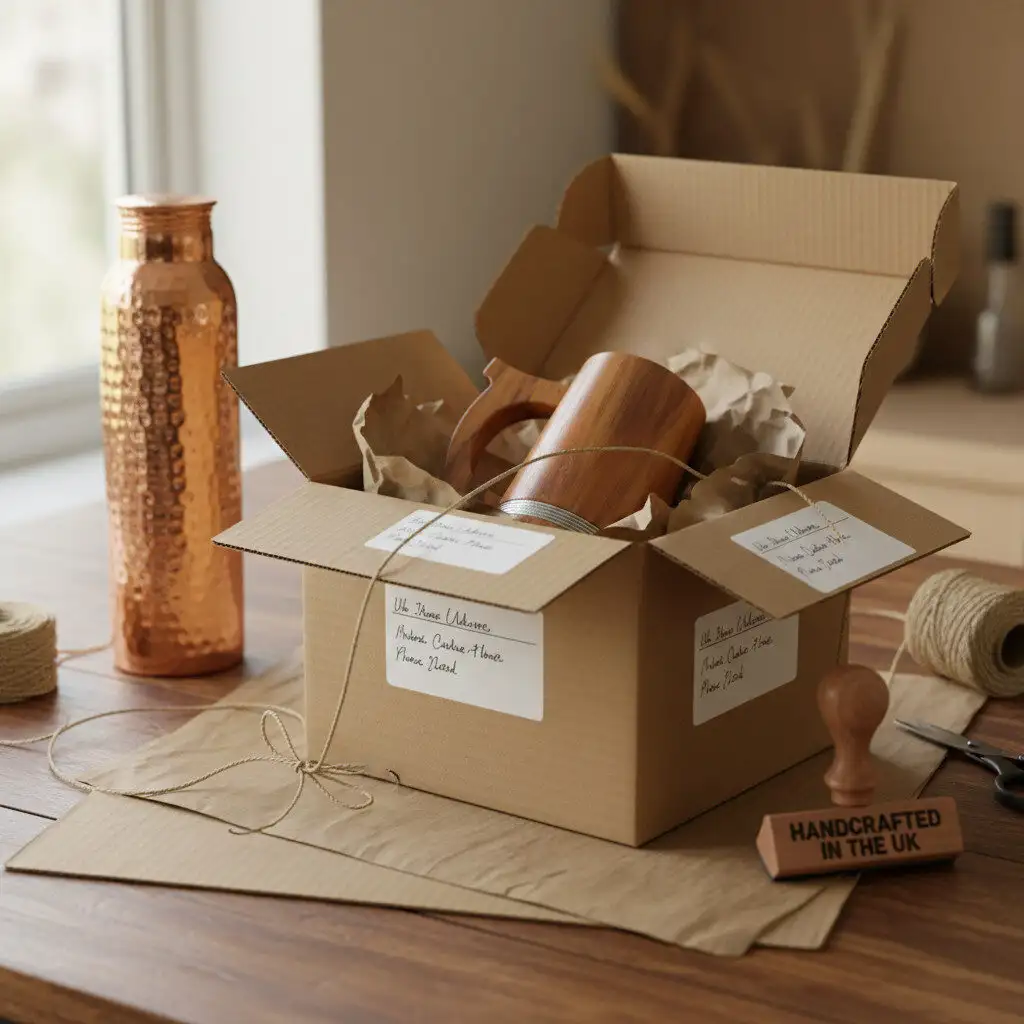
UK Shipping & Delivery When ordering handmade products online, clear shipping information matters. This page explains how deliveries to the UK work, what to expect after placing an order, and how we ensure handmade items reach you safely. Do You Ship Handmade Products to the UK? Yes. India House Stores ships handcrafted products to customers across the United Kingdom. Our UK customers regularly order items such as copper bottles, wooden beer mugs, and other handmade homeware. Orders are processed carefully to ensure handmade pieces are handled with appropriate care from dispatch to delivery. Delivery Timelines for UK Orders Delivery timelines can vary depending on the product type and destination within the UK. General guidance: Orders are processed after confirmation Handmade items are packed securely before dispatch UK delivery typically takes several working days once shipped Because our products are handcrafted, dispatch times may differ slightly from mass-produced goods. Estimated delivery timelines are shared at checkout or in order confirmation emails. Packaging and Protection for Handmade Items Handmade products require extra protection during transit. Each item is packed with care to reduce the risk of damage. Our packaging process includes: Protective wrapping around fragile items Reinforced outer packaging Secure placement to limit movement during transit This approach helps ensure items arrive in good condition while respecting the handmade nature of each product. Customs, Duties, and Taxes for UK Buyers Orders shipped to the UK may be subject to customs checks in line with UK import regulations. Important points for UK customers: Customs duties or taxes may apply depending on order value Any applicable charges are determined by UK customs authorities Customers are responsible for paying duties or taxes if required We recommend checking current UK import guidelines if you are ordering internationally. Returns and Exchanges for UK Customers We aim to provide clear and fair return and exchange guidelines for UK buyers. General return principles: Items should be unused and returned in original condition Return requests must be made within the specified time frame Handmade items may have slight variations, which are part of their character Detailed return instructions are shared through our customer support team. How We Ensure Safe Delivery of Fragile Crafts Many of our products, including copper bottles and wooden mugs, require careful handling. To reduce delivery risks: Items are inspected before packing Fragile pieces receive additional internal padding Packaging is selected based on product type These steps help protect handmade crafts throughout the delivery process. Customer Support for UK Orders If you have questions about shipping, delivery status, or order details, our support team is available to assist. UK customers can contact us for: Order tracking information Delivery-related queries Return or exchange requests Clear communication helps ensure a smooth buying experience from order placement to delivery.
Authentic Materials We Use: Pure Copper and Food-Safe Wood Explained
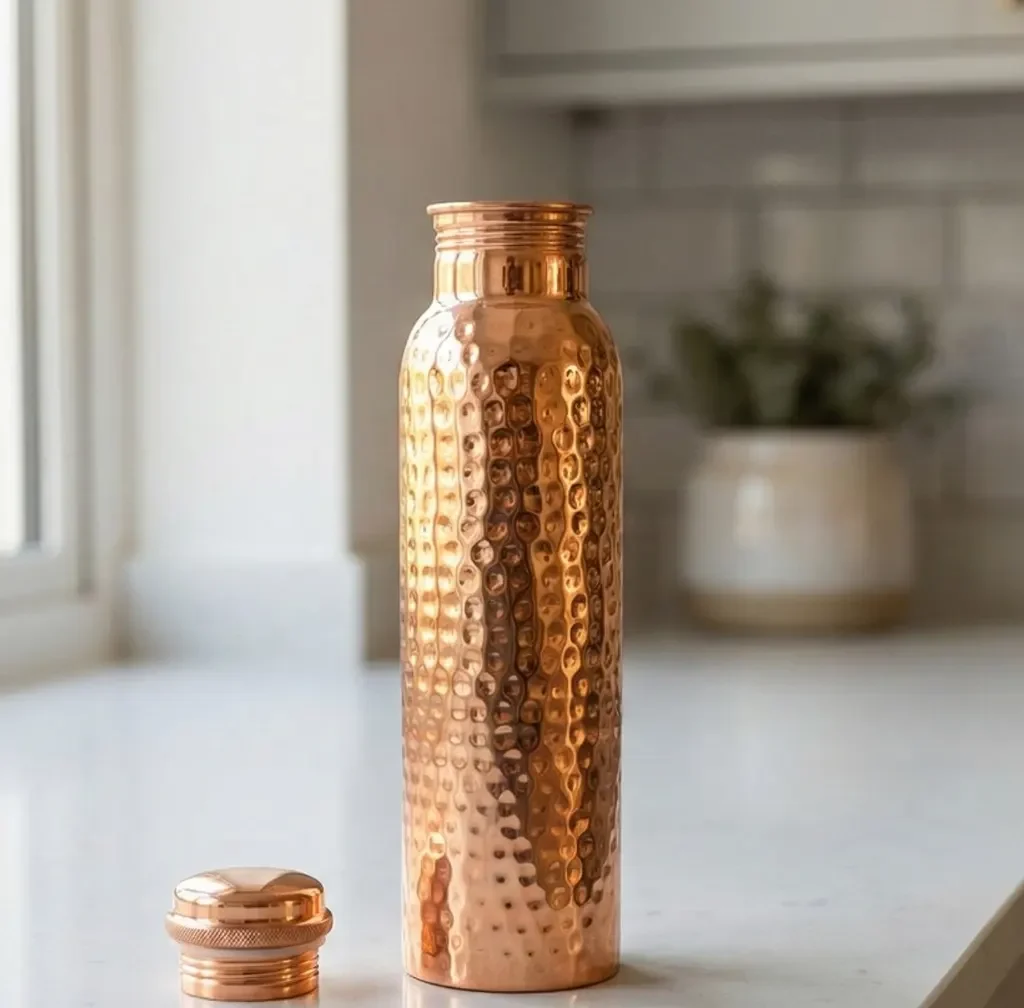
When buying handmade products, materials matter as much as design. This page explains what we mean by pure copper and food-safe wood, how to identify genuine materials, and why honesty around sourcing and finishes is important for everyday-use items. At India House Stores, we believe customers should understand exactly what they are buying and how it is made. What “Pure Copper” Really Means Pure copper refers to copper that is used in its natural metal form, without inner lining, plating, or synthetic coating. A pure copper product: Is made entirely from copper metal Has no lacquer or varnish inside May develop natural colour changes over time Is shaped and finished without masking the material Copper-coloured products, on the other hand, are often made from other metals and coated to resemble copper. How to Spot Fake or Coated Copper Bottles Not all copper bottles sold online are made from solid copper. Some are plated or lined, which changes how they function and age. Signs of a genuine copper bottle: An unlined interior with a consistent copper tone; Noticeable weight compared to steel or aluminium; Subtle surface variations from hand finishing; Gradual patina forming with regular use. Signs of coated or imitation products: Perfectly uniform shine that never changes; Inner surfaces that look silver or glossy; Labels that avoid clearly stating “solid copper”. Understanding these differences helps buyers make informed choices. Food-Safe Wood Explained Wooden products intended for drinkware must be made from suitable hardwoods and treated correctly. Food-safe wood refers to: Hardwood types suitable for regular handling Proper seasoning to prevent cracking Inner lining or sealant designed for beverage use Food-safe does not mean untreated. It means the wood has been prepared in a way that supports safe, practical use when cared for properly. Natural Finishes vs Synthetic Coatings The finish applied to copper and wooden products affects both appearance and usability. Natural Finishes: Allow the material to age naturally, do not seal the surface completely, and show patina in copper and grain changes in wood. Synthetic Coatings: Preserve a fixed appearance, prevent natural ageing, and can limit proper use, especially for copper bottles. At India House Stores, we prioritise finishes that respect the natural behaviour of materials rather than masking them. Why Materials Matter for Daily-Use Products Products used daily come into regular contact with hands, water, and cleaning. Using genuine materials ensures predictable behaviour over time. Authentic materials: Age gradually rather than deteriorating suddenly Can be cleaned using simple, traditional methods Maintain their structure with proper care Choosing real materials reduces uncertainty and improves long-term use. Certifications, Testing, and Quality Checks Handmade products are not always produced in certified factories, but quality checks are still important. Our approach includes: Visual inspection of materials Checking for inner coatings where not intended Ensuring finishes match product purpose Where applicable, we follow material guidelines suitable for handmade household products. Transparency is prioritised over labels that may not apply to small-scale craft. How Authentic Materials Age Over Time Real materials change with use. This change is expected and valued. Copper Develops a darker tone or patina; Reflects regular handling and water exposure; Can be cleaned using natural methods. Wood Shows grain patterns more clearly over time; May deepen slightly in colour; Retains strength with proper drying and care. These changes are signs of authenticity, not defects. Our Commitment to Honest Craftsmanship At India House Stores, we work directly with artisans and small workshops. This allows us to remain clear about what materials are used and how products are made. Our commitment includes: No misleading material claims, clear explanations of finishes and usage, respect for traditional methods, and honest communication with customers. We believe trust is built through clarity, not exaggeration.
Handcrafted Gifts in the UK
Thoughtful Pieces Made by Skilled Artisans Finding a meaningful gift can be difficult, especially when many options feel mass-produced or impersonal. Handcrafted gifts offer an alternative — items shaped by skilled hands, made in small batches, and designed to be used rather than forgotten. At India House Stores, our handcrafted gifts are created by artisan communities in India using traditional techniques. Each piece carries a sense of care, time, and purpose, making it suitable for thoughtful gifting across the UK. Why Handcrafted Gifts Are More Meaningful Handcrafted gifts stand apart because they are not produced on assembly lines. They reflect patience, skill, and attention to detail. People choose handmade gifts because they: Feel personal rather than generic Show appreciation for craftsmanship Carry cultural and material authenticity Are made in limited quantities A handcrafted gift communicates thoughtfulness beyond the item itself. Popular Handmade Gifts for UK Buyers UK customers often look for gifts that combine practicality with character. Some of the most popular handcrafted gift choices include: Copper water bottles for daily use Wooden beer mugs for home bars Handcrafted décor items for living spaces Utility pieces that fit modern lifestyles These gifts are chosen not just for appearance, but for how they are used and appreciated over time. Copper Bottles as Wellness Gifts Copper water bottles are commonly gifted for occasions where wellbeing and daily habits are in focus. They are often chosen because: They are reusable and practical They connect to traditional water storage practices They suit both personal and professional gifting Copper bottles work well as gifts for colleagues, family members, and wellness-focused occasions without feeling overly personal. Wooden Beer Mugs as Gifts for Men Wooden beer mugs are a popular gift choice for men who enjoy home entertaining or traditional drinkware. They are valued for: Their solid, tactile feel Traditional and rustic design Suitability for home bars and gatherings As gifts, wooden beer mugs offer both function and visual appeal, making them suitable for birthdays, celebrations, and festive occasions. Gifts for Housewarming, Birthdays, and Special Occasions Handcrafted items suit a wide range of occasions because they are designed for everyday use. Common gifting occasions include: Housewarming celebrations Birthdays and anniversaries Festive and seasonal events Personal milestones Because handmade gifts are not tied to trends, they remain relevant long after the occasion has passed. How to Choose a Thoughtful Handmade Gift When selecting a handcrafted gift, consider: Purpose: Is it meant for daily use or occasional display? Material: Natural materials like copper and wood age well Recipient: Choose something that suits their lifestyle Care: Handmade items benefit from simple, regular care Choosing with intention makes the gift feel considered rather than last-minute. Explore Our Handcrafted Gift Collection Our UK gift collection brings together a range of handmade copper bottles, wooden beer mugs, and artisan-crafted items, created in small batches and delivered across the UK. Each piece reflects traditional craftsmanship while fitting naturally into modern homes.
How to Choose the Best Handcrafted Copper Water Bottle in London

Copper water bottles have become a popular choice in London for those seeking sustainable, durable, and artisan-crafted hydration solutions. Buyers searching for how to choose the best handcrafted copper water bottle in London want products that are safe, long-lasting, and genuinely handmade. With many options available online and in local stores, selecting the right bottle can be confusing. This guide provides a detailed approach to choosing a copper water bottle that meets quality standards, maintains its beauty, and reflects traditional Indian craftsmanship. Why This Topic Matters to Buyers People searching for the Best Handcrafted Copper Water Bottle in London often have multiple motivations, but they frequently face confusion over genuine versus coated bottles, or the difference between handmade and machine-made products. Sustainability: Avoiding single-use plastics by choosing refillable copper bottles. Authenticity: Desire for genuine handcrafted products that support Indian artisans. Durability: Ensuring the bottle lasts for years without tarnishing or leaking. Common Questions and Concerns Is it safe for daily use? Pure copper bottles are generally safe for storing water for 6–8 hours. Avoid storing acidic beverages for long periods. How can I identify genuine copper? Pure copper bottles have a reddish hue, solid weight, and may show slight variations if handmade. Copper-coated or alloy bottles are lighter and may wear differently. Will it last long? Handmade copper bottles are durable but softer than stainless steel. Avoid dropping or banging the bottle. How do I verify authenticity? Check for hand-hammered textures, artisan markings, and purchase from trusted heritage-focused retailers. Traditional Perspective & Modern Usage Traditional Perspective: In India, copper vessels have been used for centuries. Artisans in regions such as Rajasthan, Gujarat, and Uttar Pradesh create these bottles using traditional hammering techniques. Each bottle reflects skill passed down through generations, making it a piece of cultural heritage. Modern Usage: When using a handcrafted copper bottle in modern London life, they are ideal for daily hydration at home, office, or light travel. Usage Tips: Avoid hot liquids or freezing conditions which may warp the metal. Tarnishing occurs naturally but does not affect safety; occasional polishing maintains shine. Choose bottles with reinforced rims for portability. How to Choose the Right Product Material Quality: Look for 99%+ pure copper. Avoid alloys with nickel or tin that may compromise safety. Craftsmanship Markers: Hand-hammered textures, slight variations in shape, and artisan markings indicate genuine handmade products. Construction: Smooth welds prevent leaks and improve durability. Lids should be secure copper or stainless steel. Weight: Should feel solid but manageable for daily use. Retailer: Purchase from reputable stores in London or UK-based heritage-focused online retailers. Care, Maintenance, and Longevity To ensure your copper bottle lasts for years, proper maintenance is key. Daily Cleaning: Use warm water with mild soap or lemon and salt for tarnish removal. Drying: Wipe completely dry after each wash. Storage: Keep in a cool, dry place when not in use. Avoid: Abrasive scrubbers, dishwasher use, and storing acidic beverages for long periods. Who This Product Is (And Isn’t) Suitable For Suitable For: Health-conscious individuals seeking sustainable water storage, buyers interested in authentic handmade Indian products, and office workers or students needing a durable daily bottle. Not Suitable For: Those needing hot-liquid bottles, buyers wanting maintenance-free bottles, or people who prefer machine-perfect uniformity. Frequently Asked Questions Is this product safe for daily use? Yes, a pure handcrafted copper bottle is safe for storing water for 6–8 hours. Avoid long-term storage of acidic liquids. How long does a handcrafted copper water bottle typically last? With proper care, it can last 5–10 years or longer. Lifespan depends on usage and maintenance. How is handmade different from machine-made copper bottles? Handmade bottles show slight variations in texture and shape, indicating artisan work. Machine-made bottles are uniform but less authentic. How can I verify authenticity in London? Check for hand-hammered textures, artisan markings, and buy from reputable UK retailers or heritage-focused online stores. Conclusion Choosing the best handcrafted copper water bottle in London requires attention to material purity, artisan craftsmanship, and practical daily use. Buyers benefit from understanding traditional Indian artisan methods while making decisions suitable for modern life. By following the guidance above, you can select a bottle that is authentic, durable, and functional. For those seeking artisan-quality copper water bottles in London, reviewing heritage-focused collections ensures an informed, lasting purchase.
What Can and Cannot Be Stored in a Copper Water Bottle
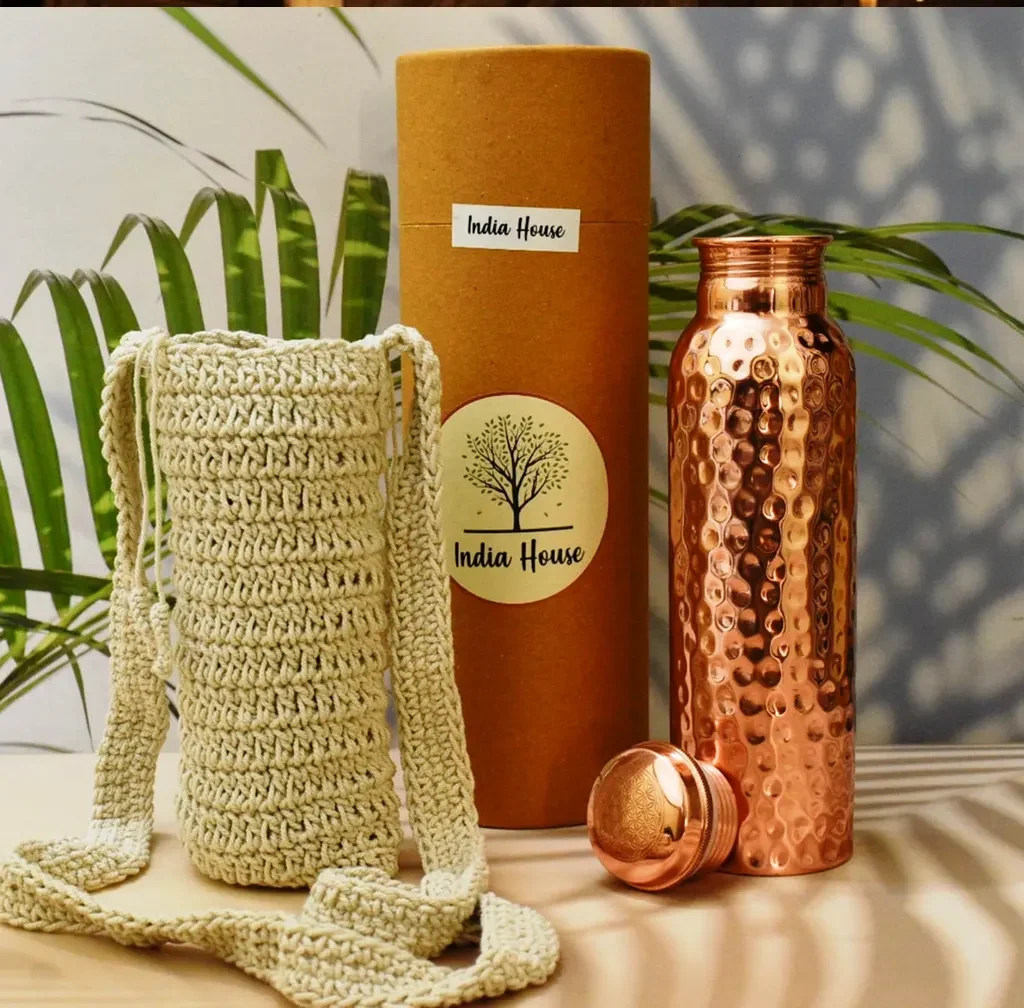
Copper water bottles are increasingly popular for sustainable hydration and artisanal craftsmanship. However, many buyers are unsure about what liquids are safe to store in them. Questions about juice, tea, and overnight storage are common. Understanding what can and cannot be stored in a copper water bottle is essential for safe and effective use. Handcrafted by Indian artisans, these bottles are made using traditional techniques that reflect generations of skill. Using them correctly preserves both the bottle’s quality and your health. Why This Topic Matters Copper bottles are versatile, but they require careful use. A common misconception is that they can store any liquid indefinitely. In reality, certain substances can react with copper, affecting taste, safety, and the bottle’s longevity. Indian buyers value the cultural heritage behind these bottles, while international buyers seek authentic, durable options. Clear guidance ensures safe daily use, protecting both the bottle and the user. Common Questions and Concerns Is it safe to drink from copper every day? Yes. Plain water is safe for daily use. Avoid storing acidic liquids long-term to prevent excessive copper intake. How can I tell if a bottle is pure copper? Pure copper is heavier, has a reddish hue, and shows minor artisanal variations. Copper-plated alternatives tend to look uniform and feel lighter. Will the bottle last with daily use? Yes, with proper care. Avoid prolonged storage of acidic drinks and harsh cleaning agents. How is handmade different from machine-made? Handmade bottles show slight variations, artisanal marks, and a natural finish. Machine-made bottles appear uniform and may use copper-plating. Traditional Perspective vs. Modern Usage Traditional Perspective: Copper vessels have been used in India for centuries. Understanding what can and cannot be stored in a copper water bottle is important. Traditionally, water was stored overnight in copper containers to allow trace minerals to infuse. Acidic liquids were avoided, which aligns with modern recommendations. Artisans knew that plain water preserves both the safety of the drink and the bottle’s longevity. Modern Practical Considerations What to Store (Safe Use): Plain water at room temperature or slightly cooled. Overnight water storage is acceptable. What to Avoid: Do not store citrus juices, vinegar-based beverages, tea, coffee, milk, or carbonated drinks. Avoid storing any liquids for multiple days without refreshing. How to Choose the Right Copper Bottle Material Quality Look for pure copper, not plated or alloyed. It should have substantial weight with a reddish metallic sheen. Craftsmanship Indicators A high-quality handmade bottle will have a smooth interior, even seams, and visible artisanal marks. Safety Checks Ensure the bottle has a secure lid to prevent leaks and a polished interior to minimize oxidation. Check for food safety certifications if available. Care, Maintenance, and Longevity Daily Care: Rinse with warm water and dry immediately after use. Deep Cleaning: Use lemon and salt or vinegar occasionally to remove tarnish. Avoid: Dishwashers, abrasive scrubbers, and long-term storage of acidic liquids. Common Mistakes: Leaving water for multiple days, storing tea or juice, and using harsh chemical cleaners can damage the bottle and affect safety. Who This Product Is (And Isn’t) Suitable For Suitable For: Individuals who drink water regularly, buyers seeking authentic handmade Indian products, and those who value artisanal craftsmanship in daily life. Not Suitable For: Users wanting to store juice, tea, milk, or acidic beverages long-term. Also not ideal for those wanting minimal-maintenance bottles or households that frequently consume carbonated drinks. Frequently Asked Questions Is it safe to store water in a copper bottle daily? Yes. Plain water is safe for daily hydration. Can I store juice or tea in a copper bottle? No. Acidic beverages, tea, coffee, and milk can react with copper. How long can water sit safely in a copper bottle? Water can remain for a day or overnight; avoid storing for multiple days. Does a copper bottle need special care? Yes. Clean with mild agents, avoid acidic liquids, and dry after use. Is this suitable for gifting? Yes, if the recipient understands basic care requirements. Conclusion Understanding what can and cannot be stored in a copper water bottle ensures safety, preserves the bottle’s longevity, and maintains its artisanal quality. Plain water is ideal, while acidic drinks, juices, tea, milk, and carbonated beverages should be avoided. Choosing a high-quality, handmade bottle and following simple care routines allows you to enjoy authentic Indian craftsmanship in your daily hydration. For more guidance on artisan-made home and lifestyle products, explore India House’s curated collection of traditional yet functional items.
Viking Wooden Beer Mugs: History, Meaning, and Why They’re Popular in the UK

Interest in Viking wooden beer mugs has grown steadily in the UK, not just among craft beer enthusiasts, but also among buyers who value historical design, artisanal craftsmanship, and cultural symbolism. Many people search for Wooden Beer Mugs History, Meaning, and Why They’re Popular because these mugs represent more than just a vessel—they reflect tradition, masculinity, social ritual, and artisan skill. For Indian handmade brands such as India House, this topic also connects with centuries-old woodworking practices. Indian artisans craft each mug carefully, blending traditional techniques with modern usability, creating objects that appeal to collectors, casual users, and international buyers alike. Understanding the history and practical considerations of Viking wooden mugs helps buyers make informed choices about authenticity, durability, and daily use. Why This Topic Matters to Buyers Buyers often research Viking wooden beer mugs with multiple intentions: Cultural curiosity: Interest in Viking history and Norse symbolism. Practical use: Finding a durable, eco-friendly, and unique drinkware option. Gifting: Choosing visually striking, handmade items that carry meaning. Many misconceptions exist: some buyers assume Viking mugs are only decorative or that all are made with harsh finishes. Learning about their history and meaning provides clarity and helps buyers set realistic expectations. Common Questions and Concerns Safety Handcrafted wooden mugs made from food-safe hardwoods and natural oils are safe for beer and other beverages. Avoid mugs treated with non-food-safe varnishes. Durability These mugs last for years if maintained properly. Unlike glass, they are resistant to shattering, though extreme moisture changes can warp poorly made mugs. Maintenance Hand washing with mild soap and drying immediately are required. They should never be soaked or placed in a dishwasher. Authenticity Many “Viking” mugs are inspired by Norse aesthetics rather than exact archaeological finds. Buyers should see them as symbolic representations rather than replicas. Taste and Aroma New wooden mugs may impart a subtle woody note. Over time, this fades, creating a unique, mild flavor enhancement for certain beer types. Traditional Perspective vs. Modern Usage History: Viking wooden mugs were practical objects made from available timber, alongside drinking horns and metal cups. Skilled woodworking was a valued craft, tied to shipbuilding and everyday life. Carvings sometimes symbolized status or clan identity. Modern Usage: Today, Viking wooden beer mugs are both functional and decorative. They are ideal for social gatherings, themed events, and craft beer tasting at home. Wooden mugs provide moderate insulation, keeping beer cooler longer than metal. Usage Note: Users should expect natural color changes and grain patterns to develop over time. This adds character rather than signaling damage. However, remember they are sensitive to prolonged moisture and require gentle cleaning. How to Choose the Right Product Wood Type: Hardwoods like mango wood, teak, or oak are durable and resist moisture better than softwoods. Construction: Single-piece or thick stave construction ensures strength. Thin laminated walls can warp. Finish: Food-safe oils or beeswax protect the wood without sealing it completely. Avoid thick varnishes. Handle Strength: The handle should feel integral to the mug’s body. Artisan Craftsmanship: Look for slight variations in grain, tool marks, and symmetry—they signal handmade authenticity. Care, Maintenance, and Longevity With proper care, these mugs can last many years, often developing richer patina and character over time. Wash gently with lukewarm water and mild soap. Dry immediately; never leave liquid inside overnight. Store in a dry, ventilated space. Apply food-safe oil periodically to prevent cracking. Avoid: Dishwashers, microwaves, and soaking. Visual & Sensory Appeal Viking wooden beer mugs are visually striking. Each piece shows unique grain, color variation, and sometimes carved motifs. The tactile warmth of wood contrasts with cold glass or metal, enhancing the drinking experience. This makes mugs not just functional, but conversation pieces suitable for display and social settings. Who This Product Is (And Isn’t) Suitable For Suitable For: Craft beer enthusiasts, collectors of heritage-inspired items, gift buyers seeking meaningful objects, and individuals creating themed home bars. Not Suitable For: Those seeking dishwasher-safe vessels, users wanting ultra-lightweight drinkware, or buyers expecting museum-accurate archaeological replicas. Frequently Asked Questions Is this product safe for daily use? Yes, when made with food-safe wood and natural oils. Daily moderate use is fine if proper care is followed. How long does it typically last? With correct maintenance, a wooden mug can last several years and develop additional character over time. How is handmade different from machine-made? Handmade mugs have slight variations in grain and texture. Machine-made mugs prioritize uniformity and may use synthetic coatings. Can it enhance beer flavor or aroma? Yes, wood can subtly enrich aroma and soften certain beer profiles, especially darker or hoppy brews. Is this suitable for gifting? Absolutely. Its cultural symbolism, aesthetic appeal, and craftsmanship make it a memorable gift. Conclusion Viking wooden beer mugs continue to captivate buyers because they combine heritage, craftsmanship, and functionality. Understanding Wooden Beer Mugs History, Meaning, and Why They’re Popular ensures buyers make informed choices about safety, maintenance, and realistic use. For those drawn to handcrafted items with cultural significance, these mugs offer a balance of beauty, durability, and storytelling. Exploring artisan-made collections, like those from India House, provides insight into centuries-old woodworking traditions that remain relevant for modern lifestyles. Whether for personal use, gifting, or display, Viking wooden mugs remain a meaningful, enduring piece of heritage-inspired drinkware.