
How to Choose the Best Handcrafted Copper Water Bottle in London

Copper water bottles have become a popular choice in London for those seeking sustainable, durable, and artisan-crafted hydration solutions. Buyers searching for how to choose the best handcrafted copper water bottle in London want products that are safe, long-lasting, and genuinely handmade. With many options available online and in local stores, selecting the right bottle can be confusing. This guide provides a detailed approach to choosing a copper water bottle that meets quality standards, maintains its beauty, and reflects traditional Indian craftsmanship. Why This Topic Matters to Buyers People searching for the Best Handcrafted Copper Water Bottle in London often have multiple motivations, but they frequently face confusion over genuine versus coated bottles, or the difference between handmade and machine-made products. Sustainability: Avoiding single-use plastics by choosing refillable copper bottles. Authenticity: Desire for genuine handcrafted products that support Indian artisans. Durability: Ensuring the bottle lasts for years without tarnishing or leaking. Common Questions and Concerns Is it safe for daily use? Pure copper bottles are generally safe for storing water for 6–8 hours. Avoid storing acidic beverages for long periods. How can I identify genuine copper? Pure copper bottles have a reddish hue, solid weight, and may show slight variations if handmade. Copper-coated or alloy bottles are lighter and may wear differently. Will it last long? Handmade copper bottles are durable but softer than stainless steel. Avoid dropping or banging the bottle. How do I verify authenticity? Check for hand-hammered textures, artisan markings, and purchase from trusted heritage-focused retailers. Traditional Perspective & Modern Usage Traditional Perspective: In India, copper vessels have been used for centuries. Artisans in regions such as Rajasthan, Gujarat, and Uttar Pradesh create these bottles using traditional hammering techniques. Each bottle reflects skill passed down through generations, making it a piece of cultural heritage. Modern Usage: When using a handcrafted copper bottle in modern London life, they are ideal for daily hydration at home, office, or light travel. Usage Tips: Avoid hot liquids or freezing conditions which may warp the metal. Tarnishing occurs naturally but does not affect safety; occasional polishing maintains shine. Choose bottles with reinforced rims for portability. How to Choose the Right Product Material Quality: Look for 99%+ pure copper. Avoid alloys with nickel or tin that may compromise safety. Craftsmanship Markers: Hand-hammered textures, slight variations in shape, and artisan markings indicate genuine handmade products. Construction: Smooth welds prevent leaks and improve durability. Lids should be secure copper or stainless steel. Weight: Should feel solid but manageable for daily use. Retailer: Purchase from reputable stores in London or UK-based heritage-focused online retailers. Care, Maintenance, and Longevity To ensure your copper bottle lasts for years, proper maintenance is key. Daily Cleaning: Use warm water with mild soap or lemon and salt for tarnish removal. Drying: Wipe completely dry after each wash. Storage: Keep in a cool, dry place when not in use. Avoid: Abrasive scrubbers, dishwasher use, and storing acidic beverages for long periods. Who This Product Is (And Isn’t) Suitable For Suitable For: Health-conscious individuals seeking sustainable water storage, buyers interested in authentic handmade Indian products, and office workers or students needing a durable daily bottle. Not Suitable For: Those needing hot-liquid bottles, buyers wanting maintenance-free bottles, or people who prefer machine-perfect uniformity. Frequently Asked Questions Is this product safe for daily use? Yes, a pure handcrafted copper bottle is safe for storing water for 6–8 hours. Avoid long-term storage of acidic liquids. How long does a handcrafted copper water bottle typically last? With proper care, it can last 5–10 years or longer. Lifespan depends on usage and maintenance. How is handmade different from machine-made copper bottles? Handmade bottles show slight variations in texture and shape, indicating artisan work. Machine-made bottles are uniform but less authentic. How can I verify authenticity in London? Check for hand-hammered textures, artisan markings, and buy from reputable UK retailers or heritage-focused online stores. Conclusion Choosing the best handcrafted copper water bottle in London requires attention to material purity, artisan craftsmanship, and practical daily use. Buyers benefit from understanding traditional Indian artisan methods while making decisions suitable for modern life. By following the guidance above, you can select a bottle that is authentic, durable, and functional. For those seeking artisan-quality copper water bottles in London, reviewing heritage-focused collections ensures an informed, lasting purchase.
What Can and Cannot Be Stored in a Copper Water Bottle
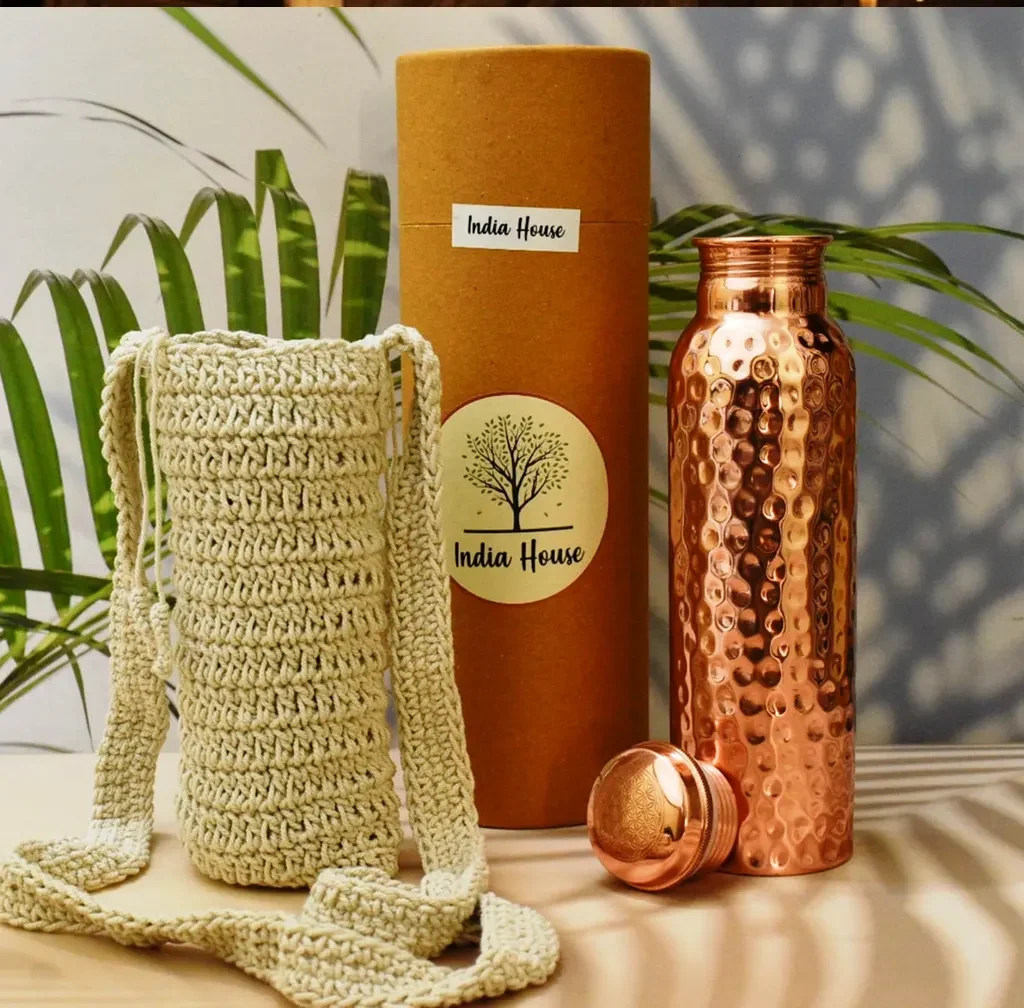
Copper water bottles are increasingly popular for sustainable hydration and artisanal craftsmanship. However, many buyers are unsure about what liquids are safe to store in them. Questions about juice, tea, and overnight storage are common. Understanding what can and cannot be stored in a copper water bottle is essential for safe and effective use. Handcrafted by Indian artisans, these bottles are made using traditional techniques that reflect generations of skill. Using them correctly preserves both the bottle’s quality and your health. Why This Topic Matters Copper bottles are versatile, but they require careful use. A common misconception is that they can store any liquid indefinitely. In reality, certain substances can react with copper, affecting taste, safety, and the bottle’s longevity. Indian buyers value the cultural heritage behind these bottles, while international buyers seek authentic, durable options. Clear guidance ensures safe daily use, protecting both the bottle and the user. Common Questions and Concerns Is it safe to drink from copper every day? Yes. Plain water is safe for daily use. Avoid storing acidic liquids long-term to prevent excessive copper intake. How can I tell if a bottle is pure copper? Pure copper is heavier, has a reddish hue, and shows minor artisanal variations. Copper-plated alternatives tend to look uniform and feel lighter. Will the bottle last with daily use? Yes, with proper care. Avoid prolonged storage of acidic drinks and harsh cleaning agents. How is handmade different from machine-made? Handmade bottles show slight variations, artisanal marks, and a natural finish. Machine-made bottles appear uniform and may use copper-plating. Traditional Perspective vs. Modern Usage Traditional Perspective: Copper vessels have been used in India for centuries. Understanding what can and cannot be stored in a copper water bottle is important. Traditionally, water was stored overnight in copper containers to allow trace minerals to infuse. Acidic liquids were avoided, which aligns with modern recommendations. Artisans knew that plain water preserves both the safety of the drink and the bottle’s longevity. Modern Practical Considerations What to Store (Safe Use): Plain water at room temperature or slightly cooled. Overnight water storage is acceptable. What to Avoid: Do not store citrus juices, vinegar-based beverages, tea, coffee, milk, or carbonated drinks. Avoid storing any liquids for multiple days without refreshing. How to Choose the Right Copper Bottle Material Quality Look for pure copper, not plated or alloyed. It should have substantial weight with a reddish metallic sheen. Craftsmanship Indicators A high-quality handmade bottle will have a smooth interior, even seams, and visible artisanal marks. Safety Checks Ensure the bottle has a secure lid to prevent leaks and a polished interior to minimize oxidation. Check for food safety certifications if available. Care, Maintenance, and Longevity Daily Care: Rinse with warm water and dry immediately after use. Deep Cleaning: Use lemon and salt or vinegar occasionally to remove tarnish. Avoid: Dishwashers, abrasive scrubbers, and long-term storage of acidic liquids. Common Mistakes: Leaving water for multiple days, storing tea or juice, and using harsh chemical cleaners can damage the bottle and affect safety. Who This Product Is (And Isn’t) Suitable For Suitable For: Individuals who drink water regularly, buyers seeking authentic handmade Indian products, and those who value artisanal craftsmanship in daily life. Not Suitable For: Users wanting to store juice, tea, milk, or acidic beverages long-term. Also not ideal for those wanting minimal-maintenance bottles or households that frequently consume carbonated drinks. Frequently Asked Questions Is it safe to store water in a copper bottle daily? Yes. Plain water is safe for daily hydration. Can I store juice or tea in a copper bottle? No. Acidic beverages, tea, coffee, and milk can react with copper. How long can water sit safely in a copper bottle? Water can remain for a day or overnight; avoid storing for multiple days. Does a copper bottle need special care? Yes. Clean with mild agents, avoid acidic liquids, and dry after use. Is this suitable for gifting? Yes, if the recipient understands basic care requirements. Conclusion Understanding what can and cannot be stored in a copper water bottle ensures safety, preserves the bottle’s longevity, and maintains its artisanal quality. Plain water is ideal, while acidic drinks, juices, tea, milk, and carbonated beverages should be avoided. Choosing a high-quality, handmade bottle and following simple care routines allows you to enjoy authentic Indian craftsmanship in your daily hydration. For more guidance on artisan-made home and lifestyle products, explore India House’s curated collection of traditional yet functional items.
Viking Wooden Beer Mugs: History, Meaning, and Why They’re Popular in the UK

Interest in Viking wooden beer mugs has grown steadily in the UK, not just among craft beer enthusiasts, but also among buyers who value historical design, artisanal craftsmanship, and cultural symbolism. Many people search for Wooden Beer Mugs History, Meaning, and Why They’re Popular because these mugs represent more than just a vessel—they reflect tradition, masculinity, social ritual, and artisan skill. For Indian handmade brands such as India House, this topic also connects with centuries-old woodworking practices. Indian artisans craft each mug carefully, blending traditional techniques with modern usability, creating objects that appeal to collectors, casual users, and international buyers alike. Understanding the history and practical considerations of Viking wooden mugs helps buyers make informed choices about authenticity, durability, and daily use. Why This Topic Matters to Buyers Buyers often research Viking wooden beer mugs with multiple intentions: Cultural curiosity: Interest in Viking history and Norse symbolism. Practical use: Finding a durable, eco-friendly, and unique drinkware option. Gifting: Choosing visually striking, handmade items that carry meaning. Many misconceptions exist: some buyers assume Viking mugs are only decorative or that all are made with harsh finishes. Learning about their history and meaning provides clarity and helps buyers set realistic expectations. Common Questions and Concerns Safety Handcrafted wooden mugs made from food-safe hardwoods and natural oils are safe for beer and other beverages. Avoid mugs treated with non-food-safe varnishes. Durability These mugs last for years if maintained properly. Unlike glass, they are resistant to shattering, though extreme moisture changes can warp poorly made mugs. Maintenance Hand washing with mild soap and drying immediately are required. They should never be soaked or placed in a dishwasher. Authenticity Many “Viking” mugs are inspired by Norse aesthetics rather than exact archaeological finds. Buyers should see them as symbolic representations rather than replicas. Taste and Aroma New wooden mugs may impart a subtle woody note. Over time, this fades, creating a unique, mild flavor enhancement for certain beer types. Traditional Perspective vs. Modern Usage History: Viking wooden mugs were practical objects made from available timber, alongside drinking horns and metal cups. Skilled woodworking was a valued craft, tied to shipbuilding and everyday life. Carvings sometimes symbolized status or clan identity. Modern Usage: Today, Viking wooden beer mugs are both functional and decorative. They are ideal for social gatherings, themed events, and craft beer tasting at home. Wooden mugs provide moderate insulation, keeping beer cooler longer than metal. Usage Note: Users should expect natural color changes and grain patterns to develop over time. This adds character rather than signaling damage. However, remember they are sensitive to prolonged moisture and require gentle cleaning. How to Choose the Right Product Wood Type: Hardwoods like mango wood, teak, or oak are durable and resist moisture better than softwoods. Construction: Single-piece or thick stave construction ensures strength. Thin laminated walls can warp. Finish: Food-safe oils or beeswax protect the wood without sealing it completely. Avoid thick varnishes. Handle Strength: The handle should feel integral to the mug’s body. Artisan Craftsmanship: Look for slight variations in grain, tool marks, and symmetry—they signal handmade authenticity. Care, Maintenance, and Longevity With proper care, these mugs can last many years, often developing richer patina and character over time. Wash gently with lukewarm water and mild soap. Dry immediately; never leave liquid inside overnight. Store in a dry, ventilated space. Apply food-safe oil periodically to prevent cracking. Avoid: Dishwashers, microwaves, and soaking. Visual & Sensory Appeal Viking wooden beer mugs are visually striking. Each piece shows unique grain, color variation, and sometimes carved motifs. The tactile warmth of wood contrasts with cold glass or metal, enhancing the drinking experience. This makes mugs not just functional, but conversation pieces suitable for display and social settings. Who This Product Is (And Isn’t) Suitable For Suitable For: Craft beer enthusiasts, collectors of heritage-inspired items, gift buyers seeking meaningful objects, and individuals creating themed home bars. Not Suitable For: Those seeking dishwasher-safe vessels, users wanting ultra-lightweight drinkware, or buyers expecting museum-accurate archaeological replicas. Frequently Asked Questions Is this product safe for daily use? Yes, when made with food-safe wood and natural oils. Daily moderate use is fine if proper care is followed. How long does it typically last? With correct maintenance, a wooden mug can last several years and develop additional character over time. How is handmade different from machine-made? Handmade mugs have slight variations in grain and texture. Machine-made mugs prioritize uniformity and may use synthetic coatings. Can it enhance beer flavor or aroma? Yes, wood can subtly enrich aroma and soften certain beer profiles, especially darker or hoppy brews. Is this suitable for gifting? Absolutely. Its cultural symbolism, aesthetic appeal, and craftsmanship make it a memorable gift. Conclusion Viking wooden beer mugs continue to captivate buyers because they combine heritage, craftsmanship, and functionality. Understanding Wooden Beer Mugs History, Meaning, and Why They’re Popular ensures buyers make informed choices about safety, maintenance, and realistic use. For those drawn to handcrafted items with cultural significance, these mugs offer a balance of beauty, durability, and storytelling. Exploring artisan-made collections, like those from India House, provides insight into centuries-old woodworking traditions that remain relevant for modern lifestyles. Whether for personal use, gifting, or display, Viking wooden mugs remain a meaningful, enduring piece of heritage-inspired drinkware.
Copper vs Stainless Steel Water Bottles: Which Is Better for Everyday Use in the UK?
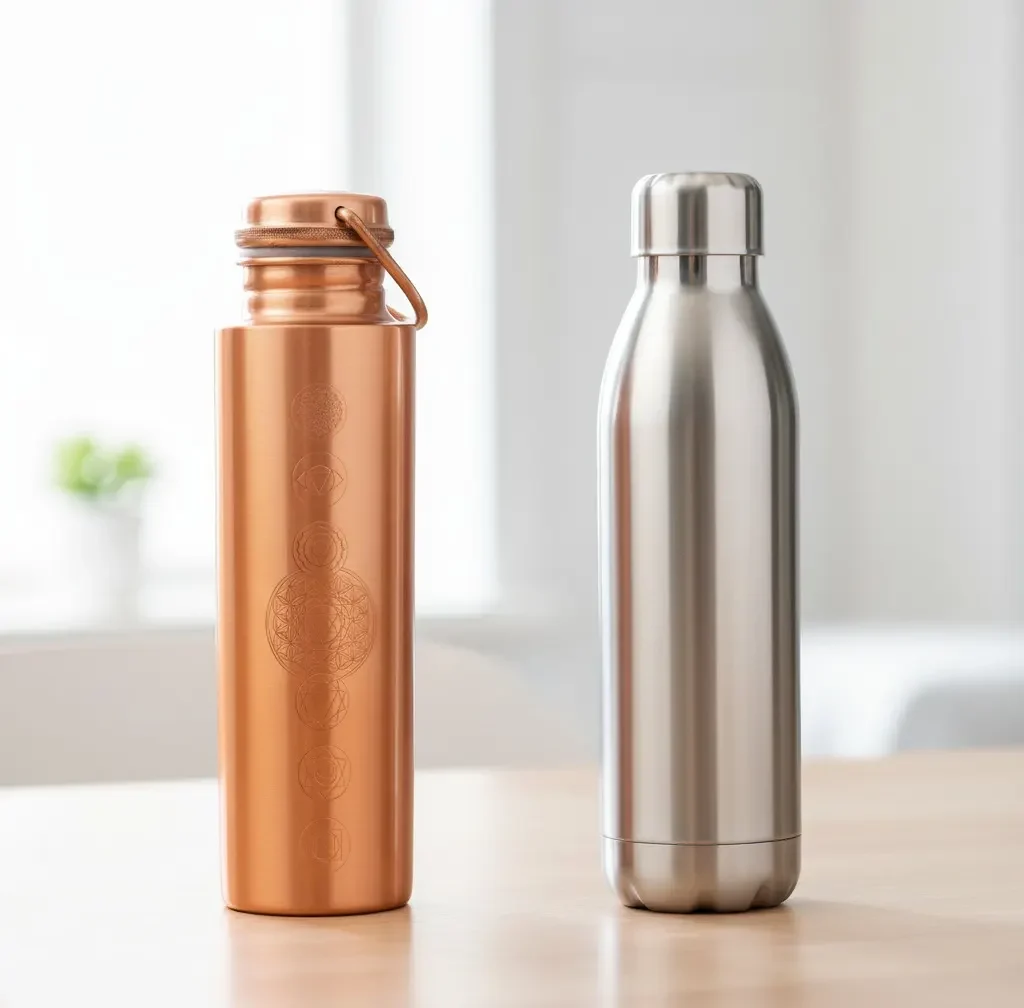
Choosing the right water bottle for daily use involves more than just picking a design. With growing awareness about safety, sustainability, and practicality, many buyers in the UK compare copper vs stainless steel water bottles before making a purchase. For brands like India House, copper bottles are handmade by skilled artisans using traditional techniques, reflecting centuries of Indian heritage. Stainless steel bottles, in contrast, are typically machine-made, designed for durability and low maintenance. Understanding the differences between these materials can help you choose a bottle that suits your lifestyle, health concerns, and daily routine. Why This Topic Matters to Buyers Buyers searching for copper vs stainless steel water bottles often want answers to questions regarding safety, longevity, water quality, and maintenance. Many users are confused by conflicting online information where copper is promoted for health benefits while stainless steel is praised for practicality. Which material is safer for daily drinking water? Which bottle lasts longer with regular use? Does the bottle affect water taste or quality? How much maintenance does each require? Common Questions and Concerns Safety Copper bottles: Safe for water stored for a few hours. Avoid acidic liquids or overnight storage to prevent copper leaching. Stainless steel bottles: Safe for daily use if made from food-grade 304 or 316 stainless steel. Non-reactive and taste-neutral. Durability Copper: Softer and prone to dents, though handmade bottles tend to be thicker and more robust. Stainless steel: Highly durable, resistant to dents, corrosion, and daily wear. Taste and Water Quality Copper: May give a slight metallic taste after a few hours. Stainless steel: Generally keeps water taste-neutral. Maintenance Copper: Requires periodic cleaning with lemon, vinegar, or mild soap to prevent tarnishing. Stainless steel: Easier to maintain, often dishwasher-safe, and needs only regular washing. Authenticity and Craftsmanship Copper: Handmade bottles showcase traditional Indian craftsmanship with unique textures and artisanal finishing. Stainless steel: Machine-made, uniform, and usually lack this heritage element. Traditional Perspective & Modern Usage In India, copper vessels have been used for centuries to store drinking water. Artisans create bottles through techniques like hand-hammering and polishing, ensuring durability and aesthetic appeal. While some traditions suggest health benefits, it is important to focus on craftsmanship and safe usage rather than unverified health claims. Modern Usage Considerations Copper bottles: Ideal for storing water for short periods at room temperature. Avoid acidic beverages or prolonged storage. Stainless steel bottles: Suitable for travel, gym, and outdoor use. Insulated versions keep water hot or cold for extended periods. In practice, your choice depends on convenience versus heritage preference: copper emphasizes traditional craftsmanship, stainless steel emphasizes durability and ease of use. Copper vs Stainless Steel Bottles: Quick Comparison Feature Copper Bottle Stainless Steel Bottle Durability Softer; prone to dents; requires careful handling Highly durable; resistant to dents and corrosion Taste May impart slight metallic taste after hours Neutral taste; does not affect water flavor Maintenance Needs regular cleaning with mild acids or soap Easy to clean; often dishwasher-safe Health Benefits Traditional claims: antimicrobial; mineral content may add trace copper No added minerals; non-reactive and BPA-free Craftsmanship Handmade; artisanal; reflects Indian heritage Machine-made; uniform; functional design Cost Generally higher due to craftsmanship Moderate; widely available Practicality Best for short-term water storage and mindful use Suitable for all-day, active lifestyles; insulated options available How to Choose the Right Product Material Quality: For copper, look for 99.9% pure copper with thick walls. For steel, ensure food-grade 304 or 316 stainless steel. Craftsmanship: Inspect copper for smooth finishes and hammered textures. Check steel for leak-proof lids and uniform construction. Additional Considerations: Consider capacity, portability, ease of cleaning, and temperature retention needs. Care, Maintenance, and Longevity Common Mistakes: Storing acidic beverages in copper, leaving water overnight, or using abrasive cleaners can reduce lifespan. Copper Bottles Care Wash with mild soap and water daily. Clean weekly with lemon or vinegar solution to prevent tarnish. Dry completely after washing to prevent oxidation. Stainless Steel Bottles Care Rinse daily and clean with a bottle brush as needed. Avoid harsh detergents that can damage finishes. Insulated bottles may benefit from occasional deep cleaning with baking soda. Who This Product Is (And Isn’t) Suitable For Suitable For: Copper bottles suit buyers valuing artisanal, handmade products and cultural heritage. Stainless steel bottles suit buyers seeking durability, low maintenance, and all-day practicality. Both work for office, gym, and home use, while handmade copper bottles also make thoughtful gifts. Not Suitable For: Copper bottles are less suited for children or people who prefer completely neutral-tasting water. Stainless steel may not appeal to buyers looking for artisanal aesthetics. Users seeking minimal maintenance may find copper bottles inconvenient. Frequently Asked Questions Is it safe to drink water from copper and stainless steel bottles daily? Yes. Copper is safe for short-term storage, while stainless steel (food-grade 304 or 316) is safe for daily use. How long do these bottles typically last? Copper bottles last several years with regular care. Stainless steel bottles, especially insulated ones, can last a decade or more. How is handmade copper different from machine-made stainless steel? Handmade copper bottles are individually crafted and unique, reflecting traditional Indian artisan skills. Stainless steel bottles are uniform, functional, and mass-produced. Does a copper bottle require special care? Yes, regular cleaning with mild acids like lemon or vinegar is recommended to prevent tarnish. Can these bottles be gifted? Yes. Copper bottles carry artisanal and heritage appeal, while stainless steel bottles are practical and versatile gifts. Will copper change the taste of water? Yes, water may have a subtle metallic taste after a few hours. Stainless steel bottles keep water taste-neutral. Are stainless steel bottles insulated? Many stainless steel bottles have double-wall insulation to maintain temperature, while copper bottles are typically single-walled. Conclusion Choosing between copper vs stainless steel water bottles depends on your priorities. Copper offers artisanal craftsmanship and traditional appeal but requires more care and short-term use. Stainless steel is practical, durable, and low-maintenance, suitable for daily active lifestyles. Understanding material differences, maintenance, and your personal needs ensures you select a bottle
Ayurvedic Copper Water Benefits: What’s Tradition and What’s Scientifically Proven?
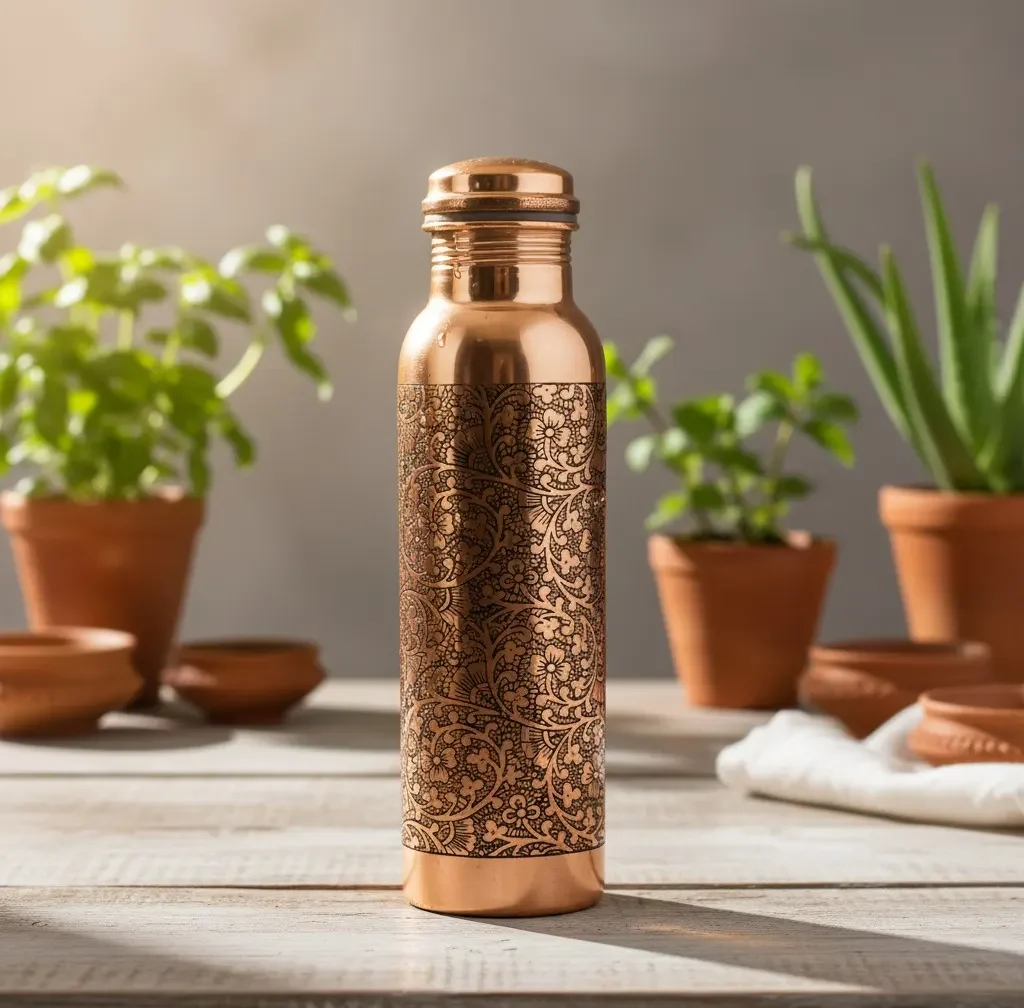
Searches for Ayurvedic Copper Water Benefits continue rising because many people want clarity. Online information often blends ancient Ayurvedic references with modern wellness claims, making it difficult to know what is tradition and what science supports. Buyers researching copper water want facts, not assumptions. Copper vessels have been part of Indian households for centuries. Long before modern materials, artisans shaped copper pots and bottles by hand using regional metalworking knowledge. These vessels served daily needs rather than medical purposes. Today, copper water reappears in modern homes, wellness routines, and gifting, especially among buyers seeking handmade Indian products. This article explains copper water using a balanced lens. It separates traditional belief from scientific evidence, helping readers form informed opinions rather than relying on exaggerated claims. Why This Topic Matters to Buyers Ayurvedic Copper Water Benefits are often discussed by buyers who are cautious and want health support without unnecessary risk. Many articles online promise immunity boosts, weight loss, or disease prevention, often without evidence. This creates confusion, especially for international buyers comparing Ayurvedic tradition with modern medical standards. Another concern involves authenticity. Buyers want pure copper rather than coated alternatives marketed as equivalent. Others worry about safety, mineral intake, and maintenance effort. Some want copper bottles mainly for cultural or gifting reasons, not health promises. Clear, neutral education helps buyers choose responsibly and avoids disappointment caused by unrealistic expectations. Common Questions and Concerns Is copper water safe? Copper is an essential trace mineral. The concern involves excessive intake rather than presence itself. Safe use depends on moderation and correct storage habits. How do I know the bottle is real copper? Many products appear copper-colored yet contain inner coatings or mixed metals. These behave differently from pure copper. Does tarnish mean damage? Copper darkens when exposed to air and moisture. This change is natural and does not indicate product failure. Is maintenance difficult? Copper needs occasional cleaning, though not daily polishing. Over-cleaning may reduce surface life. Does copper water really offer health benefits? Some properties have scientific backing, while many popular claims come from tradition rather than modern clinical proof. Traditional Perspective vs. Modern Usage Tradition: Ayurvedic texts describe storing drinking water in copper vessels using the term “Tamra Jal.” These references view copper as a supportive material rather than a medicine. The focus remains general wellness and balance rather than treatment of disease. Traditional practice involved storing water overnight and consuming it the next day. Modern Usage: Modern science confirms copper’s antimicrobial surface properties. Research shows copper surfaces reduce bacterial presence under controlled conditions. This supports the idea that storing water in copper vessels may limit microbial growth. However, science does not confirm claims regarding curing illness or dramatic weight loss. Usage Tip: Moderation remains essential. Continuous consumption throughout the day may increase copper intake beyond desirable levels. Many users store water for several hours and drink limited quantities rather than replacing all daily water intake. How to Choose the Right Product Material Purity: Pure copper vessels contain no inner lining. A magnet test offers a basic check, since copper is non-magnetic. Craftsmanship: Handmade copper often shows gentle hammer marks or slight shape variation. These indicate manual forming rather than factory molding. Thickness: Very thin copper bends easily. Well-made bottles feel sturdy without excess weight. Joint Quality: Smooth seams and evenly finished edges suggest skilled workmanship. Source Transparency: Brands working with Indian artisans often share details about production regions and techniques. Care, Maintenance, and Longevity Copper reacts with oxygen, leading to surface darkening. This process does not affect safety. With mindful care, a pure copper bottle may last many years. Cleaning Method: Use lemon juice or vinegar combined with salt. Rub gently using a soft cloth, rinse thoroughly, and dry completely. What to Avoid: Avoid dishwashers, harsh detergents, abrasive scrubbers, and chemical cleaners. Do not store acidic liquids for long durations. Common Mistakes: Frequent aggressive cleaning shortens vessel life. Monthly cleaning usually proves sufficient. Who This Product Is (And Isn’t) Suitable For Suitable For: Individuals interested in traditional Indian practices who value natural materials. It works well for people following mindful daily routines rather than quick wellness fixes. Handmade copper bottles also suit cultural gifting, housewarmings, and festive occasions. Not Suitable For: Individuals with copper sensitivity or medical conditions requiring controlled mineral intake. Anyone expecting guaranteed health results may feel disappointed. People seeking minimal maintenance drinkware may prefer stainless steel or glass. Frequently Asked Questions Is copper water safe for daily use? Moderate use following basic storage guidelines remains safe for most people. Excessive intake should be avoided. How long does a handmade copper bottle typically last? With proper care, a pure copper bottle may remain usable for many years. Surface changes occur naturally without affecting function. How is handmade copper different from machine-made versions? Handmade vessels show minor variations and manual finishing. Machine-made versions rely on uniform molds and thinner sheets. Do Ayurvedic Copper Water Benefits have scientific proof? Some antimicrobial properties have scientific backing. Many wellness claims originate from tradition rather than modern clinical evidence. Conclusion Interest in Ayurvedic Copper Water Benefits reflects a wider shift toward traditional practices and handmade materials. Copper water offers antimicrobial properties supported by science, while many other claims remain cultural beliefs rather than proven outcomes. Understanding both tradition and evidence helps buyers form realistic expectations. Copper vessels represent Indian craftsmanship, daily utility, and cultural continuity rather than miracle solutions. Readers wanting deeper understanding of handmade Indian homeware may continue learning through educational resources or explore artisan-led collections shared by heritage-focused brands such as India House.
How to Clean and Maintain a Copper Water Bottle Without Damaging It
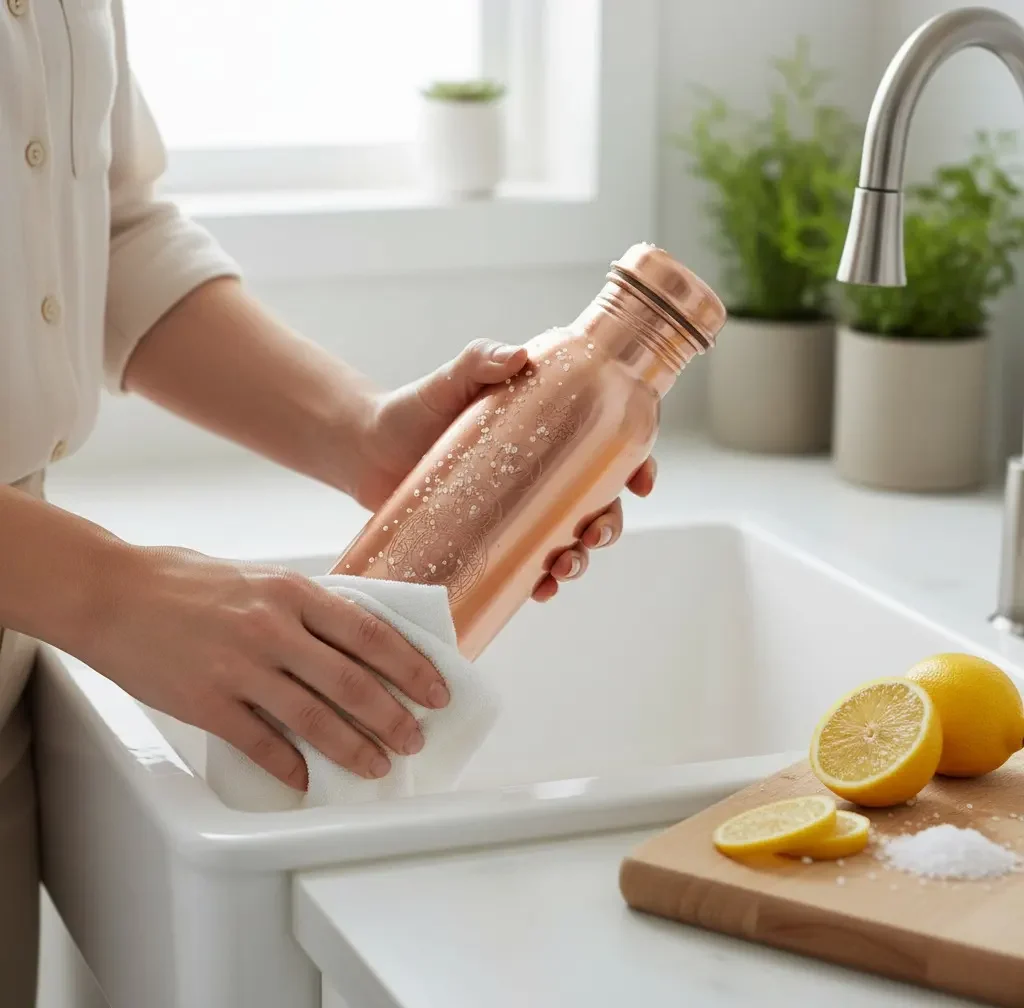
Many people search for How to Clean and Maintain a Copper Water Bottle Without Damaging It after noticing dark patches, colour changes, or green residue inside their bottle. These visible changes often lead to doubts about safety, durability, or whether the bottle remains usable. Copper behaves differently from steel, glass, or plastic. It reacts naturally with air and water, which causes visible surface changes over time. This reaction does not indicate poor quality. In handmade Indian copper bottles, such changes are expected because the surface remains untreated and free from artificial coatings. This article explains how copper reacts, how it should be cleaned, and how long-term care works in real use to support confident ownership. Why This Topic Matters to Buyers How to Clean and Maintain a Copper Water Bottle is a common question buyers research for practical reasons. The intent is not decorative; it focuses on safety, lifespan, and correct usage. First, people want to protect their purchase. Handmade copper bottles involve skilled labour and traditional techniques, and incorrect cleaning methods can shorten their usable life. Second, visible changes create confusion. Many users assume tarnish or green residue means corrosion or contamination, which is not accurate. Without clear guidance, people either over-clean or stop using the bottle altogether. Common Questions and Concerns Is green residue harmful? Green residue forms through oxidation when copper remains in contact with moisture for extended periods. Small amounts signal surface reaction rather than contamination. Regular cleaning prevents buildup. Does copper rust? Copper does not rust like iron. It darkens and develops patina. This process does not weaken the bottle. Does oxidation mean low quality? No. Oxidation usually confirms the presence of real copper rather than coated metal. Can frequent cleaning damage the bottle? Yes, if abrasive tools or harsh chemicals are used. Gentle methods preserve the surface. Is soap necessary? Mild, fragrance-free soap can be used occasionally, though natural methods remain sufficient for regular care. Traditional Perspective & Modern Usage How to Clean and Maintain a Copper Water Bottle is informed by practices that existed long before modern cleaners. Copper water vessels have existed in Indian households for generations. Traditional care relied on natural ingredients such as lemon, tamarind, salt, or ash mixed with water. These materials removed oxidation without harming the metal. There was no expectation of permanent shine; colour variation reflected regular use rather than neglect. Modern Usage: Modern copper water bottles suit daily hydration when used correctly. Most handmade bottles consist of pure copper without internal lining or coating. Use plain drinking water. Avoid acidic liquids such as citrus juice. Empty and dry the bottle daily. Expect gradual colour change. How to Choose the Right Product Material Quality Indicators Pure copper feels heavier and warmer compared with coated alternatives. The surface shows a soft metallic tone rather than a mirror finish. Craftsmanship Markers Handmade bottles display slight surface variations. Joints appear smooth but not machine-perfect, reflecting manual shaping. Finish Inspection Avoid bottles covered with lacquer or artificial polish. Such finishes wear unevenly and complicate long-term care. Source Clarity Reliable brands explain artisan involvement, material purity, and production methods transparently. Care, Maintenance, and Longevity Understanding how to clean a copper bottle ensures it lasts for years. Why Copper Changes Colour Copper reacts with oxygen and moisture. This reaction creates darkening or green residue. The process is natural and unavoidable. Cleaning removes surface oxidation only, not the copper itself. Daily Care Routine Rinse with plain water. Dry completely before refilling. Store with the lid open when unused to reduce moisture buildup. Weekly Cleaning Method Mix lemon juice or vinegar with a small amount of salt. Apply using a soft cotton cloth and rub gently inside and outside. Rinse thoroughly with water. Dry fully using a clean cloth. Green Residue: If green residue appears inside the bottle, clean immediately using lemon and salt. Rinse well and allow full drying. Regular care prevents repeated buildup. What to Avoid (Common Mistakes) Tools: Avoid steel scrubbers and abrasive pads. Machines: Never use dishwashers. Chemicals: Avoid chemical descalers or strong detergents with heavy fragrance. Habits: Don’t leave water inside overnight constantly or store the bottle while damp. Who This Product Is (And Isn’t) Suitable For Suitable For: People who prefer natural materials, appreciate handmade craftsmanship, follow simple care routines, and drink room-temperature water. They also work well as meaningful gifts for weddings or housewarmings. Not Suitable For: Users who expect zero maintenance, prefer flavoured or chilled drinks, use dishwashers exclusively, or want a permanently shiny surface. Glass or stainless steel bottles may serve these needs better. Frequently Asked Questions How to clean a copper water bottle without damaging it? Rinse daily, dry fully, and clean gently once per week using lemon and salt. Is this product safe for daily use? Yes, when used for plain water and cleaned consistently. How long does a handmade copper bottle usually last? With proper care, it can last many years. Copper remains durable when treated gently. Does this require special care products? No. Basic household ingredients (lemon/salt) work effectively. Conclusion Understanding How to Clean and Maintain a Copper Water Bottle Without Damaging It removes confusion from daily use. Colour change and oxidation are natural behaviours of copper, not signs of poor quality or safety issues. Handmade copper bottles respond well to consistent, gentle care. Simple routines preserve surface integrity and support long-term use. Readers who wish to learn more about handmade copper craftsmanship or explore related collections can continue through additional educational resources from India House.
Is Drinking Water from a Copper Bottle Safe UK? What Buyers Should Know
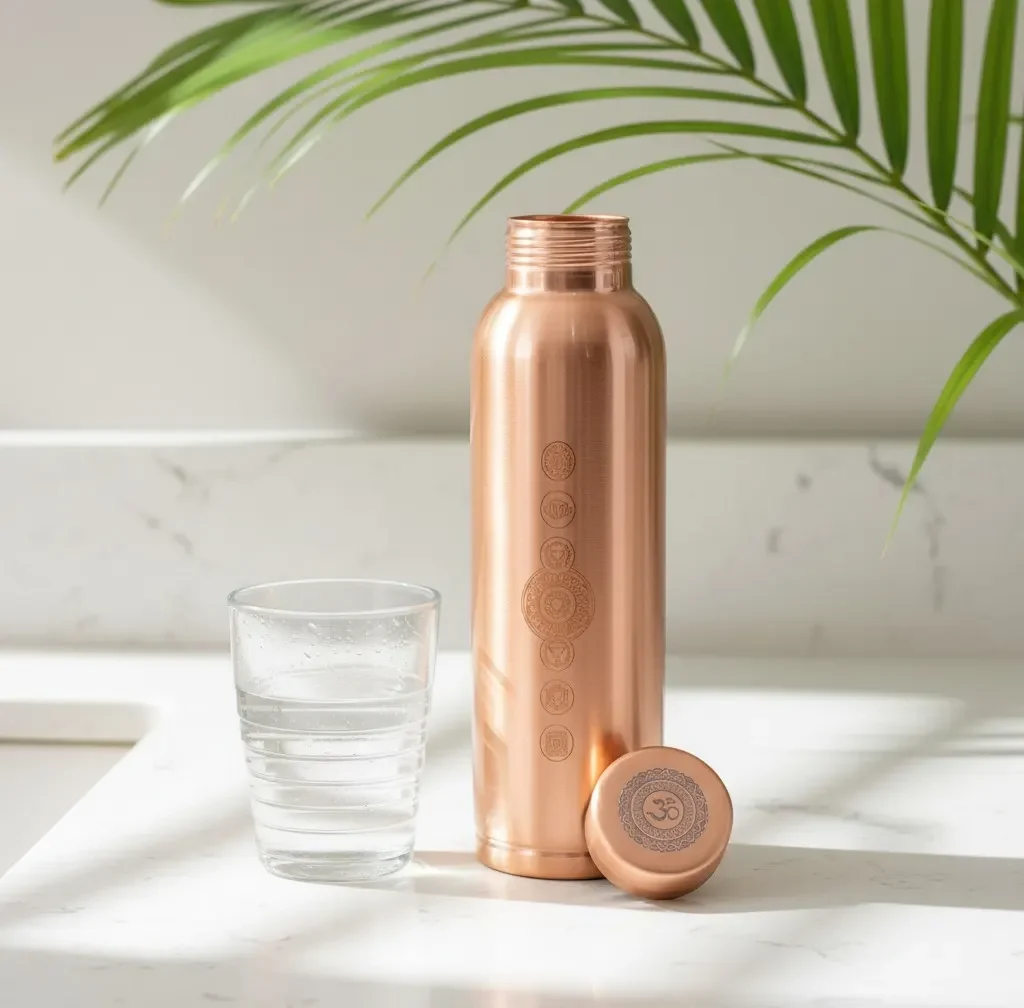
The question “Is Drinking Water from a Copper Bottle Safe UK” is one many buyers search before using or purchasing a copper water bottle. Online discussions often highlight concerns related to copper toxicity, daily use, and whether traditional practices remain safe within modern lifestyles. The confusion grows because copper bottles are commonly described as part of Indian heritage, while health guidance shared online varies widely. Some sources describe benefits, while others warn about overexposure. UK buyers often want clarity grounded in safety, not marketing claims. India House works with Indian artisans who create handmade copper products using traditional metalworking techniques. While cultural background adds value, safety and informed use remain essential. This article explains copper bottle use in clear, factual terms, helping readers make practical decisions. Why This Topic Matters to Buyers People searching this topic usually share one clear goal: avoiding health risks while making a thoughtful purchase. Online platforms often mix traditional beliefs with strong health promises, creating uncertainty rather than guidance. Leaching: Whether copper leaches into drinking water. Intake Limits: How much copper intake is considered excessive. Water Quality: Whether UK tap water changes safety outcomes. Quality: If handmade copper products meet modern expectations. Frequency: How frequently copper bottles should be used. Common Questions and Concerns Is drinking water from a copper bottle safe? Copper is a reactive metal. Safety depends on controlled exposure, product quality, and correct use. Copper bottles are not designed for unrestricted, continuous consumption throughout the day. Can copper cause toxicity? Copper toxicity exists when intake exceeds recommended levels for extended periods. This usually happens through excessive exposure rather than occasional use. Does storage time matter? Yes. Longer storage allows more copper ions to enter water. This does not automatically make water unsafe, though repeated long storage without moderation increases exposure. Do copper bottles change over time? Copper naturally develops patina. Colour change alone does not indicate danger, though residue buildup requires cleaning. Traditional Perspective vs. Modern Usage Is Drinking Water from a Copper Bottle Safe UK? Copper vessels have been part of Indian households for generations, mainly used for overnight water storage. Traditionally, water storage happened once per day, consumption remained limited, and vessels received regular cleaning. This reflects long-standing familiarity rather than medical endorsement. Modern Usage: Modern daily routines differ greatly. Many people sip water constantly, refill bottles often, and rely on treated tap water. Use copper bottles for limited consumption. Avoid repeated refills without cleaning. Treat copper bottles as occasional-use vessels. Not intended for: Acidic liquids, carbonated drinks, hot beverages, or continuous hydration throughout the day. Copper and UK Drinking Water Safety Standards Copper exposure is regulated within UK water systems, mainly because copper pipes exist in older plumbing. Regulatory guidance focuses on preventing excessive copper intake over time. Safety Insight: Small amounts of copper occur naturally in water systems. Health risk appears when intake remains consistently high. Copper bottles add additional exposure beyond tap water, meaning they should complement, not replace, standard drinkware. How Much Copper Exposure Is Too Much? Copper functions as a trace element, meaning the body needs small amounts only. Problems arise when exposure becomes continuous and unregulated. Risk increases when: Water stays inside copper bottles for many hours repeatedly. Risk increases when: Copper bottles serve as the only daily water source. Risk increases when: Cleaning routines are ignored. How to Choose the Right Product Material Quality Indicators Look for pure copper construction, no inner chemical coatings, and even thickness across the surface. Craftsmanship Markers A well-made bottle should have a smooth rim without sharp edges, secure joints or traditional hammer marks, and no flaking or peeling material. Buyer Checks Before Purchase Ensure there is a clear product description, care instructions provided, and transparency about origin and material. Care, Maintenance, and Longevity Proper care supports safety and lifespan. With correct care, a copper bottle can last several years, though surface ageing remains normal. Use lemon and salt occasionally for cleaning. Rinse thoroughly with clean water and dry completely before storage. Avoid: Dishwashers, harsh chemical cleaners, abrasive scrubbers, and storing water for several days. Who This Product Is (And Isn’t) Suitable For Suitable For: Adults interested in traditional Indian homeware, people comfortable with mindful usage habits, and homes prioritising craftsmanship over convenience. Not Suitable For: Children or infants, people with copper sensitivity, users needing constant hydration access, or those seeking low-maintenance drinkware (Glass or stainless steel suit these needs better). Frequently Asked Questions Is drinking water from a copper bottle safe UK for regular use? Yes, when used occasionally and cleaned properly. Continuous all-day use increases copper exposure and is not recommended. Does UK tap water change copper bottle safety? UK tap water already contains trace copper in some areas. Copper bottles add further exposure, so moderation matters. How long does a handmade copper bottle last? With correct care, several years. Surface darkening does not automatically affect safety. Is a copper bottle suitable for gifting? Yes, for adults who appreciate handmade goods and understand care guidance. Conclusion Is Drinking Water from a Copper Bottle Safe UK? The answer depends on how the bottle is used, cleaned, and integrated into daily habits. Copper bottles are not dangerous by default, yet they are not designed for unrestricted use. They hold cultural significance and reflect skilled Indian craftsmanship, especially when handmade responsibly. Informed buyers benefit most by treating copper bottles as occasional-use vessels rather than everyday hydration tools. Readers interested in learning more can explore educational resources or artisan background information shared by India House to support informed decisions.
Wooden Beer Mugs as Gifts: Why They’re Popular for Men, Weddings, and Special Occasions
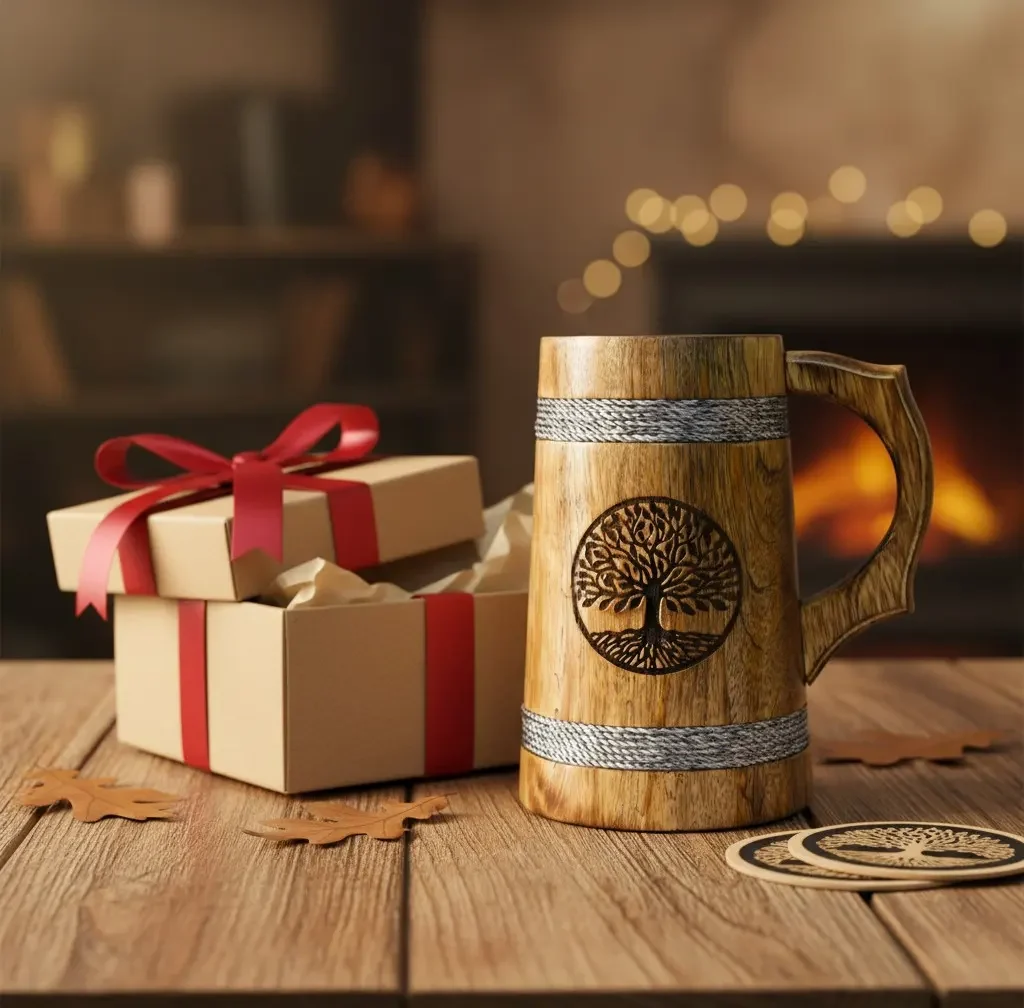
Wooden beer mugs as gifts have grown in popularity, especially for men, weddings, and special occasions. Their handcrafted design, natural materials, and cultural significance make them more than ordinary drinkware—they are meaningful keepsakes. Many buyers search for information about wooden beer mugs to understand their value, authenticity, and suitability as gifts, particularly in the UK or internationally. Artisans in India create these mugs using traditional techniques, combining durability with aesthetic appeal, making them ideal for gifting. Understanding why these mugs are favored helps buyers make informed choices and ensures the gift is both practical and thoughtful. Why This Topic Matters to Buyers When people choose wooden beer mugs as gifts, they are usually looking for something personal, functional, and visually appealing. Key reasons include: Gifts for Men Buyers often look for “gift for him UK” options that feel unique yet usable. Wooden mugs combine everyday utility with artisan quality. Weddings and Special Occasions Couples or friends want memorable gifts that stand out. Handmade mugs offer a distinctive, rustic alternative to mass-produced glassware. Cultural and Artisan Appeal Buyers are increasingly interested in handmade products that reflect heritage and skill. Knowing how to select authentic mugs is important to avoid low-quality imitations. Common Questions and Concerns Safety: Quality wooden mugs are safe for drinking beer or other beverages if finished with a food-safe sealant. Avoid mugs treated with harmful chemicals. Durability: Solid hardwood mugs can last for years with proper care. Poor-quality or thinly constructed mugs may warp or crack over time. Maintenance: Wooden mugs require gentle hand washing with mild soap and immediate drying. Dishwashers or soaking can damage the wood. Authenticity: True handmade mugs have subtle variations in shape, color, and texture. Look for smooth finishing and artisan marks. Traditional Perspective & Modern Usage Wooden drinkware has a rich history in India, where artisans have been shaping wood into functional vessels for centuries. While beer itself is not traditional to Indian households, the skill involved in making wooden mugs—carving, shaping, and sealing—reflects generations of craftsmanship. Daily Use Tip: Wooden mugs can hold beer, ale, or other beverages but are best suited for moderate use. Slight variations in color, grain, and shape are normal for handmade mugs and add uniqueness, but highly acidic drinks should be avoided to protect the finish. How to Choose the Right Product Selecting the right wooden beer mug involves attention to material and craftsmanship: Material Quality Choose solid hardwoods like mango wood or teak. These woods are durable, resistant to cracking, and naturally attractive. Craftsmanship Markers Check for smooth interiors, even walls, and consistent finishes. Minor variations indicate artisanal production. Sealing and Finish Food-safe oil finishes or sealants protect the wood while maintaining its natural appearance. Care, Maintenance, and Longevity Hand Wash Only: Use mild soap and warm water. Avoid prolonged soaking. Dry Thoroughly: Wipe after washing and allow the mug to air dry completely. Avoid Extreme Temperatures: Do not put mugs in the dishwasher, microwave, or oven. Regular Oiling: Rub with food-grade oil periodically to maintain moisture and prevent drying. Who This Product Is (And Isn’t) Suitable For Suitable For: Men who appreciate craftsmanship, unique wedding gifts, special occasions like anniversaries or retirement, and collectors who value heritage-driven products. Not Suitable For: High-volume drinkers who prefer dishwasher-safe items, or users unwilling to follow basic maintenance steps. Wood cannot withstand high heat or harsh detergents. Frequently Asked Questions Is this product safe for daily use? Yes, wooden beer mugs as gifts are safe if made from solid hardwood and finished with food-safe sealant. Proper care is required. How is handmade different from machine-made? Handmade mugs show slight variations in shape, grain, and finish, reflecting artisan skill. Machine-made mugs are uniform but lack individuality. Is this suitable for gifting? Absolutely. Wooden beer mugs as gifts are valued for their craftsmanship, uniqueness, and practical use, making them ideal for men, weddings, and special occasions. How can I tell if it is truly handmade? Look for subtle irregularities, visible grain, smooth finishing, and artisan markings. Handmade mugs are often lighter and more organic in feel than machine-made options. Conclusion Wooden beer mugs as gifts are a blend of tradition, craftsmanship, and practicality. They are particularly popular for men, weddings, and special occasions in the UK and beyond. By understanding material quality, craftsmanship, care, and realistic usage expectations, buyers can choose a gift that will be both meaningful and long-lasting. For those seeking authentic, heritage-driven options, handcrafted wooden mugs from India House provide an ideal choice. These mugs allow you to gift a combination of culture, utility, and artisan craftsmanship in a single, thoughtful package.
How to Choose the Best Wooden Beer Mug in the UK (Size, Wood Type & Finish)

How to Choose the Best Wooden Beer Mug depends on understanding that wooden beer mugs are more than just drinkware—they’re a blend of tradition, craftsmanship, and style. From Viking-inspired tankards to modern rustic mugs, choosing the right wooden beer mug can elevate your drinking experience and even make for a unique gift. Here’s a comprehensive guide to help UK buyers pick the perfect mug based on size, wood type, and finish. 1. Decide the Right Size for Your Wooden Beer Mug The size of your mug directly impacts your drinking experience. Wooden mugs come in a variety of capacities, typically ranging from 250 ml (8.5 oz) to 1 litre (33.8 oz). Small (250–350 ml): Perfect for tasting or for a morning coffee/tea. Compact and easy to handle. Medium (400–500 ml): The most popular size for beer lovers. Great for home bars, casual drinks, or gifting. Large (750 ml–1 litre): Ideal for hearty servings, parties, or special occasions. These mugs are often Viking-style, handcrafted, and visually impressive. Tip: When deciding How to Choose the Best Wooden Beer Mug, capacity matters. For everyday beer drinking, 400–500 ml is a balanced choice. If you want a statement piece for parties or gifting, consider the larger mugs. 2. Choose the Right Wood Type The wood type determines the durability, appearance, and safety of your mug. The most common woods used are: Mango Wood Sustainable, lightweight, and naturally resistant to water. Gives a warm, honey-brown finish. Sheesham Wood (Indian Rosewood) Dense and long-lasting with rich grain patterns. Excellent for heavier mugs. Oak Traditional choice for Viking-style tankards. Very strong and naturally moisture-resistant. Beech & Pine Affordable options for decorative or casual use. Softer than oak or sheesham; prone to scratches if not maintained. Tip: Always choose natural, untreated hardwoods. Avoid chemically coated mugs to ensure your drinks remain safe and your mug lasts longer. 3. Decide on the Finish Finishes not only add aesthetic appeal but also protect the mug from cracking, moisture, and stains. Natural Finish / Food-Grade Oil: Keeps the wood porous, safe for all beverages, and highlights natural grain. Requires handwashing. Wax or Beeswax Finish: Creates a protective layer while maintaining a rustic look. Best for cold drinks. Lacquered / Polyurethane Finish: Adds a glossy look, but may not be ideal for hot drinks. Check if it’s food-safe. Stainless Steel or PU Inner Lining: Provides easy cleaning, longer durability, and keeps liquids insulated. Perfect for frequent use. Tip: When considering How to Choose the Best Wooden Beer Mug, wooden mugs with a natural or beeswax finish are ideal for traditional beer-drinking rituals, while lined mugs are more practical for daily use. 4. Consider the Handle Design The handle affects comfort, grip, and overall usability. Look for: Ergonomic handles: Smooth curves for easy holding. Thick, sturdy handles: Can support larger, heavier mugs without slipping. Decorative handles: Some mugs feature carved or Viking-inspired designs for aesthetic appeal. Tip: If you plan to use your mug outdoors or for long drinking sessions, prioritize comfort over decoration. 5. Other Features to Look For Leak-Proof Construction: Ensure the base is sealed properly, especially for handmade mugs. Beeswax or food-grade sealants are common. Gift-Ready Packaging: If buying as a gift, some UK sellers provide engraved or customizable options. Ease of Cleaning: Wooden mugs generally require handwashing. Avoid dishwashers unless the mug has a stainless steel lining. Sustainability: Check if the wood is sustainably sourced. Mango and Sheesham woods are popular eco-friendly options. 6. Popular Wooden Beer Mugs in the UK Here are some common choices you’ll find online and in specialty stores: Mug Type Capacity Wood Finish Best For Viking Tankard 750 ml Oak Natural/Beeswax Parties, Display Mango Wood Mug 400 ml Mango Food-Grade Oil Daily Beer Drinking Sheesham Carved Mug 500 ml Sheesham Natural Gifts & Home Bar Stainless Steel Lined 500 ml Mango Wood PU Lining Easy Cleaning, Frequent Use 7. Care Tips to Make Your Mug Last Handwash Only: Use warm water and mild soap; avoid soaking. Dry Immediately: Prevents warping and mold growth. Re-Oil Regularly: Maintain natural oils with food-grade oil or beeswax. Avoid Extreme Temperatures: Don’t pour boiling liquids or use in dishwashers unless lined. Following these steps ensures your wooden mug stays beautiful and functional for years. Final Thoughts How to Choose the Best Wooden Beer Mug is about balancing style, practicality, and tradition. For UK buyers: Pick a size that matches your drinking habits. Choose durable, food-safe wood like mango, oak, or sheesham. Select a finish that balances aesthetics with practicality. Look for ergonomic design and proper sealing. A well-chosen wooden beer mug is not just a vessel—it’s a conversation starter, a gift, and a way to enjoy beer in timeless style.
What Makes a Handcrafted Wooden Beer Mug Different from Factory-Made Ones?

Searches for What Makes a Handcrafted Wooden Beer Mug Different from Factory-Made Ones usually come from buyers who want clarity before choosing wooden drinkware. Many online listings describe mugs as “handcrafted” or “artisan-made” without explaining what actually changes in terms of quality, safety, durability, or everyday use. This leads to confusion, especially for buyers comparing handmade wooden beer mugs with factory-produced alternatives. In the Indian handmade context, wooden vessels have long been shaped using manual tools and local knowledge of wood behaviour. While beer consumption itself is modern, the woodworking techniques behind handcrafted wooden beer mugs come from established craft practices. Understanding how these differ from factory manufacturing helps buyers decide based on function, care, and long-term value rather than appearance alone. Why This Topic Matters to Buyers Buyers researching this topic are not only looking for visual appeal. They want to know whether a handcrafted wooden beer mug performs differently from a factory-made one. Common questions include whether handmade mugs last longer, whether they are safer for beverages, and whether the price difference reflects real value. Another reason this topic matters is inconsistent online information. Some product pages focus heavily on selling, while others make broad claims without explanation. Buyers want practical, factual guidance so they can choose a mug that fits their usage habits, maintenance comfort, and expectations. Common Questions and Concerns Safety What Makes a Handcrafted Wooden Beer Mug Different is primarily the attention to wood selection, seasoning, and surface treatment. Safety depends on wood type, seasoning, and surface treatment. Handcrafted wooden beer mugs are usually made from food-safe hardwoods and finished using natural oils or waxes suitable for beverage contact. Factory-made mugs may also use food-safe finishes, but buyers should verify this, as production speed sometimes leads to decorative coatings unsuitable for drinkware. Quality Quality involves more than appearance. It includes wall thickness, joint strength, and how the wood grain is aligned. In handcrafted mugs, artisans adjust shaping based on each piece of wood. Factory-made mugs rely on standardised cutting, which offers uniformity but may not account for natural grain variation. Durability A well-made handcrafted wooden beer mug can last for many years when cared for properly. Factory-made mugs can also be durable, but thinner walls or glued joints may reduce lifespan if cost-cutting measures are involved. Maintenance Many buyers assume wooden mugs are difficult to maintain. In reality, both handcrafted and factory-made wooden mugs require similar care: gentle washing, proper drying, and occasional oiling. The difference lies in how well the mug tolerates long-term use. Authenticity Some buyers want a genuinely handmade product rather than a machine-made mug finished by hand. Authenticity depends on transparency from the seller regarding production methods. Traditional Perspective & Modern Usage In India, wooden household items such as bowls, cups, and storage vessels have been made by hand for generations. Craftspeople relied on experience to select appropriate wood and shape it using chisels and hand lathes. The goal was functional reliability rather than identical output. Handcrafted wooden beer mugs follow this same approach. What Makes a Handcrafted Wooden Beer Mug Different becomes clear in modern homes where these mugs are used for casual beer drinking, social gatherings, and themed home bars. Users should expect natural variations in colour, grain pattern, and weight. Factory-made mugs offer consistent size and shape, which can be helpful for stacking. However, handcrafted mugs perform better for those who value character over uniformity. Neither type is suitable for dishwashers, microwaves, or prolonged soaking. Handcrafted vs Factory-Made: Key Differences Aspect Handcrafted Wooden Beer Mug Factory-Made Wooden Beer Mug Production method Shaped and finished individually by artisans Cut and assembled using machines Material handling Wood grain considered during shaping Standardised cuts regardless of grain Appearance Natural variation in colour and texture Uniform look across units Wall thickness Often slightly thicker for durability Usually consistent, sometimes thinner Finish Hand-applied food-safe oils or waxes Sprayed or dipped finishes Output volume Limited batches High-volume production Buyer experience Craft-focused, material-aware Convenience-focused, uniform This comparison highlights why the difference goes beyond appearance and affects long-term ownership. How to Choose the Right Product Material Quality Indicators What Makes a Handcrafted Wooden Beer Mug Different often starts with the choice of hardwoods such as mango wood, sheesham, or oak. The wood should feel solid, with no visible cracks or soft spots. Grain patterns should appear natural rather than overly uniform. What Buyers Should Check Before Purchasing Confirm that food-safe finishes are used. Look for clear care instructions from the seller. Check smoothness of the inner surface and joint integrity. Read reviews mentioning long-term use for insight. Care, Maintenance, and Longevity Proper care significantly extends the life of a wooden beer mug. Users should wash gently using mild soap, rinse quickly, and dry immediately with a cloth. The mug should then air-dry fully in an open space. Maintenance Tip: Avoid soaking, abrasive scrubbers, dishwashers, direct heat, or storing while damp. Occasional oiling with a food-grade oil helps maintain the surface and prevent drying or cracking. Who This Product Is (And Isn’t) Suitable For Suitable For: Handcrafted wooden beer mugs suit people who value material quality and manual workmanship. They work well for home users who enjoy natural materials, cultural objects, or handmade décor. They are perfect for gifting when the recipient appreciates craftsmanship. Not Suitable For: These mugs may not suit people who want dishwasher-safe drinkware or use mugs heavily every day. Commercial environments requiring identical items may prefer factory-made options. Frequently Asked Questions What makes a handcrafted wooden beer mug different in real use? The difference lies in the production approach. Handcrafted mugs are shaped with attention to individual wood characteristics, while factory-made mugs prioritise uniformity. This affects durability and care response. Is a handcrafted wooden beer mug safe for regular use? Yes, when made from food-safe wood and finished appropriately. Users should always follow cleaning and drying guidelines. How long does a handcrafted wooden beer mug typically last? With proper care, it can last many years. Lifespan depends more on maintenance habits than